The Talos Principle 2 vs The Witness
See how two games stack up across what matters most to you.
Short answer
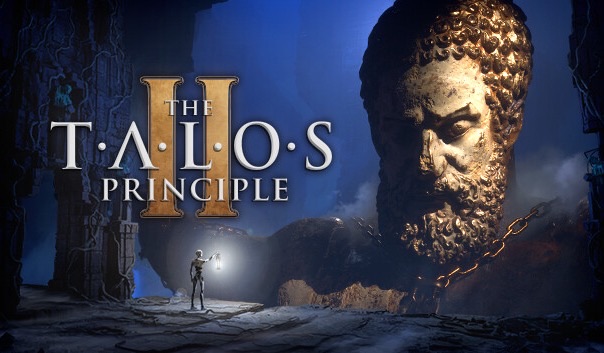
The Talos Principle 2 and The Witness are both philosophical puzzle games, but they speak to you in opposite tongues. Talos 2 opens with a robot society debating theology, filling its vast biomes with tools and dialogue that guide your path. The Witness drops you on a silent island, where every panel teaches one grammar, and the revelation comes from your own observation. If you want your philosophy discussed and your puzzles guided, choose Talos 2. If you want to be judged by an island and discover meaning without words, choose The Witness. Your choice is between warmth and silence.
Side-by-side Comparison
The Talos Principle 2The Witnessimportance
Talk versus Silence in Puzzle Design
The central difference between The Talos Principle 2 and The Witness is not the setting or the number of puzzles, but how each game treats language. The Talos Principle 2 is a game that talks, argues, and philosophizes in good faith. You play inside a robot society that debates theology, and the narrative is delivered through spoken dialogue and written records that orbit an actual plot.
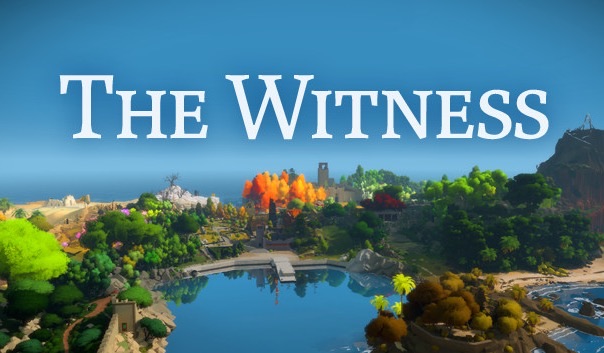
The Witness, by contrast, is almost entirely wordless. It offers philosophy recordings that orbit an absent plot, but the real message is hidden in the environment itself. The island is the puzzle, and it never explains itself. This makes the two games feel opposite in their approach to player trust.
Talos 2 holds your hand through its generosity, guiding you with a flowing difficulty curve and a world that stops you cold with megastructure vistas. The Witness trusts you to find the pattern, and then it gates the endgame behind environmental epiphanies so strict that only the most observant will reach closure.
Neither approach is objectively superior. One meets you halfway with warmth and words; the other demands you meet it in silence and lines.
Who Should Walk with Words
You should choose The Talos Principle 2 if you want a puzzle game that respects your time by explaining its philosophy as you play. Here the challenge is spread across open biomes full of golden secrets, and while the Lost Puzzles will bite, the main path flows smoothly. The record leaders show that Talos 2 leads in story and narrative, world immersion, and a generous difficulty curve. If you enjoy hearing characters argue about consciousness, freedom, and the soul, and you want your ethical questions to be spoken aloud to you, this is the robot society you should join.
The laser-tool variety across open hubs means that you are not stuck with one mechanic for the entire journey; each area gives you new toys to think with, and the difficulty ebbs and flows rather than spiking steeply. The game rewards exploration with secrets but never leaves you stranded without direction. If you prefer a puzzle game that feels like a conversation among friends, where the world is designed to stop you cold with its beauty and the narrative guides you gently between brain-teasers, then The Talos Principle 2 is the warmer, more talkative partner you are looking for.
Who Should Let the Island Judge
You should choose The Witness if your ideal puzzle experience is one of silent revelation, where meaning emerges from your own observation rather than from spoken dialogues. The Witness embodies its philosophy rather than stating it: you are alone on a color-saturated island that is itself the puzzle. From the first minute, the entire island is open, but the record leaders indicate that exploration freedom is its strongest dimension.
There is no difficulty curve in the conventional sense; instead, the game teaches you a single grammar through panels, and then folds that mechanic infinitely, demanding environmental epiphanies to progress. The final challenges are hard-gated behind insights about the world around you, punishing the unobservant. There is no handholding, no dialogue, and no robot society to debate your next move.
If you want an island that silently judges your attentiveness, and you find wordless revelation to be the point of playing, then The Witness is your adversary and your teacher. The freedom to explore is total, but so is the responsibility to see. This is for the player who wants to be alone with the puzzle, to let the absence of language intensify the moment of insight, and to earn every step through pure observation.
Key facts, side by side
Playtime figures are community-reported estimates from HowLongToBeat (captured 2026-08-16), not main-story completion times.
Similar Games to Consider
Based on what you like in both games