Nine Sols vs Hollow Knight
See how two games stack up across what matters most to you.
Short answer
Both are hard single-player metroidvanias with 1-2 hour sessions, and their difficulty ratings tie. Nine Sols is carried by precise deflect-and-talisman rhythm combat and a full cinematic plot, and it reaches the credits in around 21.7 hours. Hollow Knight is carried by Hallownest's interlocking zones, its melancholy world and charm loadouts that change how you play, across a longer 27-hour run. We think players who want boss-centred fights and a story that lands should pick Nine Sols, while players who want to get lost in a vast, secret-filled kingdom should pick Hollow Knight.
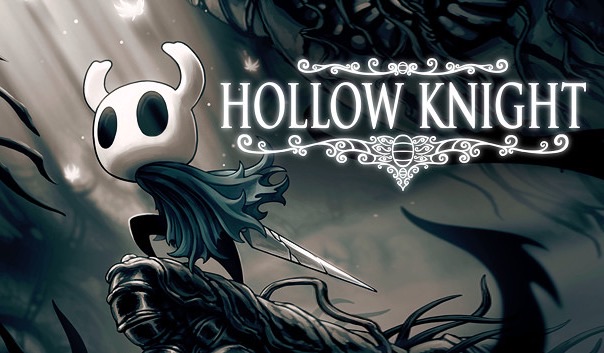
Side-by-side Comparison
Nine SolsHollow Knightimportance
Deflection rhythm or open kingdom: where the two split
The two games are matched on difficulty and on the shape of a sitting, with both running 1-2 hours per session, so the choice comes down to what each one asks you to master. Nine Sols leads on combat depth and story depth. Its deflect-and-talisman rhythm combat is precise and distinctive, closer to Sekiro than to Hollow Knight, and deflection mastery is mandatory for the late bosses.
Around that fighting sits a full cinematic plot in which the cat-spirit Yi hunts the nine Sols of a lost techno-Taoist civilization, with characters you grow attached to, which is rare narrative weight for the genre. Hollow Knight leads on exploration freedom and world immersion. Hallownest's interlocking zones and secrets set the genre standard, and the melancholy art, Larkin's score and coherent ecology make the ruined bug kingdom unforgettable.
Its story is an oblique environmental tragedy that rewards digging, a different register from Nine Sols' cinematic plot. Hollow Knight also edges ahead on build variety: charm loadouts meaningfully alter play, whereas Nine Sols' talent tree and jade loadouts adjust feel while builds stay close to one core kit.
Nine Sols' zones interconnect satisfyingly but its gating is more directed, so we think the decisive question is whether you want a boss-centred rhythm fight with a story that lands or a vast kingdom to get lost in.
Choose Nine Sols for Sekiro-style bosses and a story that lands
We think Nine Sols is the pick if fighting is what you play a metroidvania for. Its deflect-and-talisman rhythm combat is precise and distinctive, closer to Sekiro than to Hollow Knight. Deflection mastery is mandatory for the late bosses, so expect your progress to hinge on learning the rhythm of each fight. If a late boss walls you, a story mode slider offers relief. Nine Sols is also the pick if you want a plot you can follow as a plot.
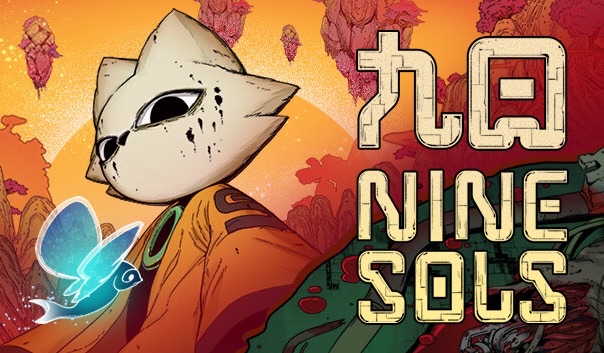
Red Candle Games built a full cinematic story in which the vengeful cat-spirit Yi hunts the nine Sols of a lost techno-Taoist civilization, and the characters are ones you grow attached to, an emotional weight that is rare for the genre. The hand-drawn East-Asian sci-fi setting, with talismans, shrines and orbital tech, creates a Taopunk world unlike anything else in the genre, even if Hallownest edges it on immersion overall.
It is also the shorter commitment, reaching the credits in around 21.7 hours against Hollow Knight's 27, with sessions of 1-2 hours in both games. What you give up is breadth: zones interconnect satisfyingly but the gating is more directed, and the talent tree and jade loadouts adjust play feel while builds stay close to one core kit. That is a fair trade, we think, for the player who wants every hour to point at the next boss.
Choose Hollow Knight to get lost in Hallownest
We think Hollow Knight is the pick if exploration is the reason you open a metroidvania. Hallownest's interlocking zones and secrets set the genre standard, and cartographer-driven exploration rewards every ounce of curiosity, so the map itself is the main event rather than the corridor between bosses. Years of free expansions built it into one of the densest games in the genre, and it is the foundation Silksong builds upon.
It is also the pick for atmosphere: the melancholy art, Larkin's score and a coherent ecology make the ruined bug kingdom unforgettable, and the story arrives as an oblique environmental tragedy whose lore runs deep the more you dig. If you like piecing a tragedy together from the world instead of being handed a plot, that oblique telling is a strength, though it lands with less direct emotional weight than Nine Sols' cinematic story.
Combat still supports real mastery, with nail arts, spells and charm synergies, and charm loadouts meaningfully alter play within one core kit, giving it a slight edge in build variety. Difficulty matches Nine Sols overall: the base path is firm but fair, while the White Palace and the dream bosses are infamous. Plan for the longer run, around 27 hours to the credits against 21.7, in sessions of 1-2 hours.
Key facts, side by side
Playtime figures are community-reported estimates from HowLongToBeat (captured 2026-08-16), not main-story completion times.
Similar Games to Consider
Based on what you like in both games