Tiny Glade vs Dorfromantik
See how two games stack up across what matters most to you.
Short answer
Tiny Glade is a zero-rule sandbox where you doodle castles and watch procedural detail magic fill the scene; failure doesn't exist. Dorfromantik is a mindful tile-laying puzzle where you place hexes to score points, unlock biomes, and chase optional high scores. If you want total freedom and golden-hour calm, choose Tiny Glade. If you enjoy soft quests and a soothing flow state, choose Dorfromantik.
Side-by-side Comparison
Tiny GladeDorfromantikimportance
Two moods of landscape play
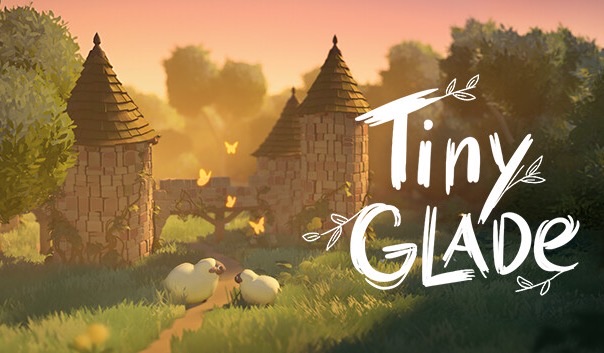
There are many ways to make a landscape, but Tiny Glade and Dorfromantik each ask for a different kind of attention. Tiny Glade is a doodle: you draw shapes and the game responds with procedural detail, suggesting walls, paths, and arches as if by magic. There are no rules, no failure, and no goal other than the one you invent moment to moment.
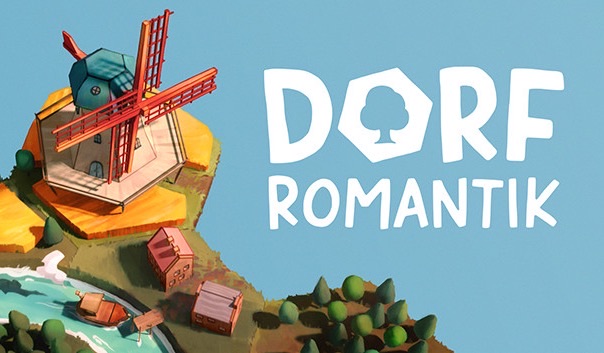
Dorfromantik is closer to meditation with a quiet task: each hex you place must fit with its neighbors to grow a countryside, and the gentle score ticking upward turns the act of placement into a soft puzzle. Neither game tells a story, neither has combat, and both are single-player. The difference is not in what they let you see, but in what they ask of your hands.
Tiny Glade asks nothing beyond your own impulse; Dorfromantik asks you to listen to the hexes and find harmony. If your idea of cozy is a blank meadow where every mark is allowed, Tiny Glade opens its arms wide. If you prefer a landscape that guides your next move with quiet hints, Dorfromantik offers a path to follow at your own pace.
Choose the doodler's meadow: Tiny Glade
Tiny Glade is for the player who wants a sandbox meadow and nothing else. Its charm lives in the way it responds to a careless scribble: a line of wall becomes a proper castle, a curve becomes a garden path, and the golden-hour light makes the diorama feel alive. There are no quests, no scores, and no way to fail, so every session is pure play. If you are the kind of builder who likes to discover what a tool can do by pressing it, Tiny Glade rewards that curiosity with procedural detail that often surprises you.
The freedom to explore is total because the space itself is a blank canvas; there is no map to unlock, only the one you make. For world immersion, Tiny Glade offers a calm that comes from being fully in control of every stone and shrub, with no external pressure. The variety in builds comes from your own imagination, not from a checklist of unlocks. If the idea of pressure is why you avoid other construction games, Tiny Glade is a safe haven.
It does not even request that you finish anything; you can doodle for ten minutes and walk away with a smile. There is no wrong way to hold it, because it never asks for anything in return.
Choose the quester's hex: Dorfromantik
Dorfromantik is the answer for the player who finds pure freedom a little too loose and wants a gentle puzzle to lean on. The act of laying hexes—matching forest to forest, field to field, and village to village—creates a flow state that is both soothing and satisfying, each tile a small decision that builds a bigger picture. The game asks softly: it gives you optional quests that guide the vista, like placing a certain number of wheat fields or connecting a train track, and these small goals shape your choices without ever feeling like demands.
The record shows Dorfromantik does have a challenge: high-score chases are optional, but they exist, so if you want a reason to refine your layout, the scoreboard waits. The map you grow yourself is also the landscape you explore, and the sense of discovery comes from uncovering new biomes as you play. The world immersion is pastoral, like a model railway diorama, but it is a world that you slowly assemble with care.
For build variety, Dorfromantik offers biome unlocks rather than procedural magic, and that variety fits a different kind of player: one who enjoys seeing new pieces arrive as gentle rewards. There is no failure, only the quiet pleasure of making the puzzle fit, and for many that is the perfect level of challenge.
Key facts, side by side
Playtime figures are community-reported estimates from HowLongToBeat (captured 2026-08-16), not main-story completion times.
Similar Games to Consider
Based on what you like in both games