Planet Zoo vs Planet Coaster
See how two games stack up across what matters most to you.
Short answer
Planet Zoo and Planet Coaster share one construction engine, so the choice comes down to what you build around it. Planet Zoo pairs its piece-by-piece kit with a rigorous animal-welfare sim where enrichment, genetics and conservation breeding matter, and neglect is punished. Planet Coaster keeps management gentle and puts its weight on spline coasters, scenery and reactive crowds. We think players who want their park to feel cared for should pick Planet Zoo, while players who want pure creative freedom and a lighter load should pick Planet Coaster. Both run in sessions of about 1-3 hrs.
Side-by-side Comparison
Planet ZooPlanet Coasterimportance
Responsibility or imagination: the systemic split
Build variety is a tie, and that tie is the point. Planet Zoo's piece-by-piece building has no practical limit, and Planet Coaster's coaster editor is an art tool, so nobody picks between these two for lack of things to construct. The split is in what surrounds the construction. Planet Zoo is two games in one, a construction kit plus an animal-welfare sim in which enrichment, genetics and conservation breeding actually matter.
That is why it is the harder of the pair: welfare cascades punish neglect, so an animal you stop caring for becomes a problem you have to solve. Planet Coaster's money pressure is soft, and its real grind is polish, the hours spent refining a coaster or its scenery rather than keeping a system afloat.
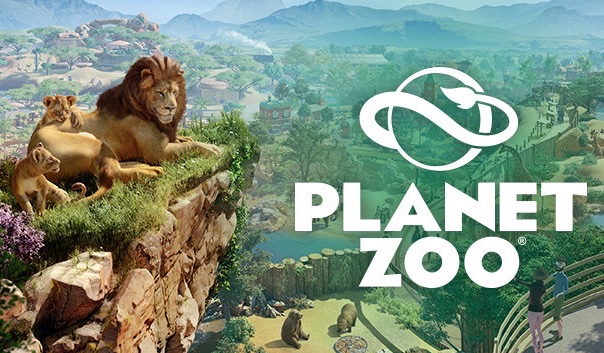
Immersion leans toward Planet Zoo, whose animal animation is documentary-grade, while Planet Coaster's park ambience has real charm of its own. Planet Zoo also reaches slightly further outward: its franchise mode trades animals worldwide through an asynchronous market, whereas Planet Coaster is single-player with sandbox and workshop browsing.
Story depth is level, with career scenarios framing both sandboxes, and neither has combat. Sessions of 1-3 hrs are typical in both. Our bottom line is that Planet Zoo is the deeper sim and Planet Coaster the freer canvas, responsibility against imagination, and both are gorgeous.
Choose Planet Zoo if care is the game
We think Planet Zoo is the pick for players who want management to mean something. Its animal-welfare simulation is rigorous: enrichment, genetics and conservation breeding actually matter, and the depth of that simulation is the first reason to choose it. The cost is a harder game than Planet Coaster, because welfare cascades punish neglect, but that pressure is also what makes a park feel alive and cared for rather than merely decorated.
If you want your zoo to feel like a living place under your stewardship, this is the sim that models the stewardship. Immersion leans to Planet Zoo as well, on the strength of documentary-grade animal animation that gives the animals a presence of their own, separate from the welfare systems you manage. Conservation framing gives your building purpose, so the piece-by-piece kit, which has no practical limit, stays in service of the animals rather than becoming an end in itself.
Planet Zoo also has the wider horizon of the pair: franchise mode trades animals worldwide through an asynchronous market, whereas Planet Coaster is single-player only. Sessions run about 1-3 hrs, and the tags include Cute alongside Simulation, Sandbox and Relaxing. If responsibility is the appeal, Planet Zoo is the deeper sim, and we think the more rewarding one to keep.
Choose Planet Coaster if the coaster is the dream
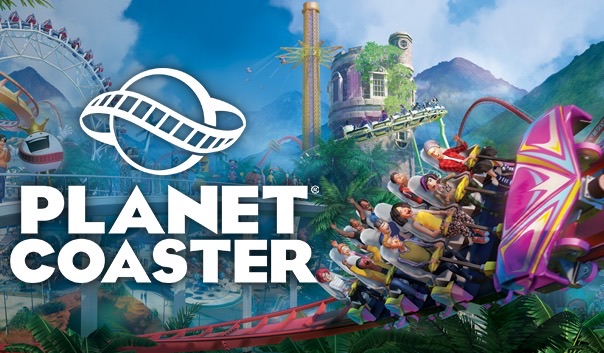
We think Planet Coaster is the pick when coaster engineering is the dream and pure creative freedom beats systemic care. Its construction system, spline coasters, piece-by-piece scenery and a guest crowd that reacts to your park's story, is what made everything else obsolete, and the coaster editor within it is an art tool in its own right. Build variety ties with Planet Zoo, so you give up nothing on that front.
What you give up is the burden. Money pressure is soft, and the real grind is polish: the hours go into refining a coaster and its scenery, not into keeping a system from collapsing. That is the lighter management load, and it suits players who want to open the game and build without a welfare cascade waiting to punish a lapse. Immersion is a step behind Planet Zoo, but the park ambience has real charm of its own.
Alongside the career scenarios there is sandbox play and workshop browsing, and the game is single-player only. Its creative layer swallowed a community whole. Sessions run about 1-3 hrs. If imagination matters more to you than responsibility, Planet Coaster is the freer canvas, and we think the easier one to lose an evening to.
Key facts, side by side
Playtime figures are community-reported estimates from HowLongToBeat (captured 2026-08-16), not main-story completion times.
Similar Games to Consider
Based on what you like in both games