A Little to the Left vs Unpacking
See how two games stack up across what matters most to you.
Short answer
A Little to the Left is a puzzle-first tidy game where you solve arrangement challenges with hidden solutions, perfect for ritual-like daily tidying sessions. Unpacking is an environmental storytelling game where you unpack a life's belongings room by room, revealing a biography. Choose A Little to the Left for brain-teasing tidy logic and a playful cat; choose Unpacking for a moving narrative told through objects.
Side-by-side Comparison
A Little to the LeftUnpackingimportance
The Ritual vs. The Biography
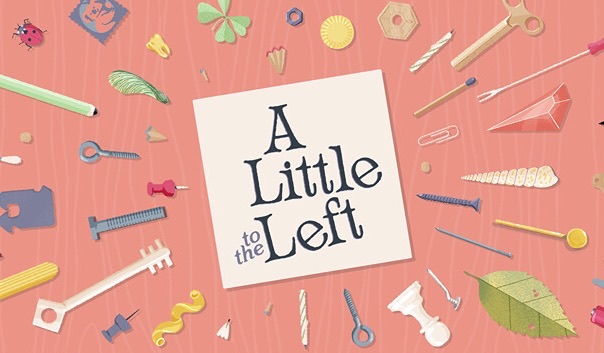
Tidy games split into two temperaments, and A Little to the Left and Unpacking land on opposite sides of that divide. The former treats tidying as a puzzle—an arrangement where objects click into place, with multiple hidden solutions waiting to be discovered. Each vignette feels like a small ceremony, a chance to impose order on a stationary set.
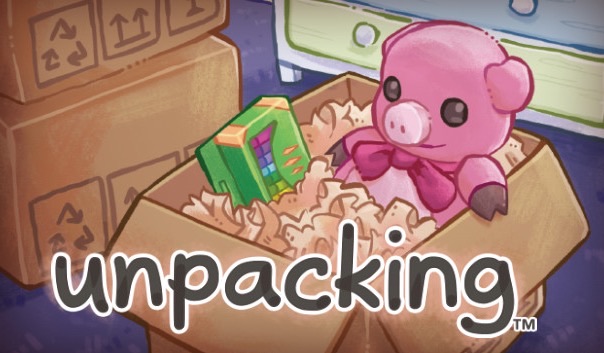
The latter treats tidying as a language—box by box, room by room, every item placed tells you something about the person who owned it. You are not solving a puzzle; you are piecing together a life. The key tension is not about which game is better, but what you want from your tidy session. If you crave the satisfying mental click of matching shapes and solving a spatial conundrum, the ritual of A Little to the Left calls.
If you want your hands busy while your heart is moved by the story of a life told through cardboard boxes, Unpacking delivers. One offers an aesthetic of soft stationery and a mischievous cat, the other a foley-perfect domesticity that feels hyper-real. There is no winner here, only a fork in the path.
Choose A Little to the Left for Puzzle-Led Tidy Logic
If you find yourself drawn to the cerebral side of tidying, A Little to the Left is your match. This is a game that makes you think before you place, treating each arrangement as a puzzle with multiple hidden solutions. The challenge is the reward: you are not merely restoring order but discovering the logic that makes objects fit together in pleasing ways. With a daily ritual structure, the game invites you into a meditative practice that is both soothing and mentally engaging.
Playful touches like a mischievous cat that can disrupt your arrangements keep the experience light and unpredictable, adding a layer of whimsy to the puzzle-solving. The aesthetic is soft and stationery-focused, creating a calm environment where your brain can flex without pressure. If you appreciate games that reward careful observation and creative problem-solving, if the idea of cracking a tidy puzzle brings you joy, A Little to the Left will feel like a tailor-made ritual. It is not about reliving a life; it is about perfecting moments of order.
Choose Unpacking for a Life Told Through Boxes
If you are more captivated by story than puzzle, Unpacking offers an emotional experience that lingers long after you place the last item. This is environmental storytelling at its peak: biography via belongings. Each room you unpack reveals a chapter of someone's life—the things they accumulate, the things they let go, the things they hide. You are not just tidying; you are interpreting a narrative through the objects you lovingly place, from moving boxes to shelves and drawers.
The game's foley-perfect domesticity immerses you in a world of quiet textures: the rustle of paper, the clink of a mug. The freedom to place items where you choose makes each playthrough a personal act of curation, but the story remains anchored in the items themselves. There is one devastating bedroom in particular that will likely leave you breathless, a testament to the game's ability to turn mundane objects into profound emotional beats. If you want a tidy game that makes you feel, that tells a story through warm, tactile spaces, Unpacking is the experience you are after.
Key facts, side by side
Playtime figures are community-reported estimates from HowLongToBeat (captured 2026-08-16), not main-story completion times.
Similar Games to Consider
Based on what you like in both games