Anno 1800 vs Anno 117: Pax Romana
See how two games stack up across what matters most to you.
Short answer
Anno 1800 is a fully expanded industrial classic with a deep DLC library and complex multi-session logistics, while Anno 117: Pax Romana offers a bold new Roman setting with organic roads, deity systems, and the newest visuals. If you want a settled, content-rich experience, pick several. If you crave fresh mechanics and a new era, choose several. Veterans likely end up owning both.
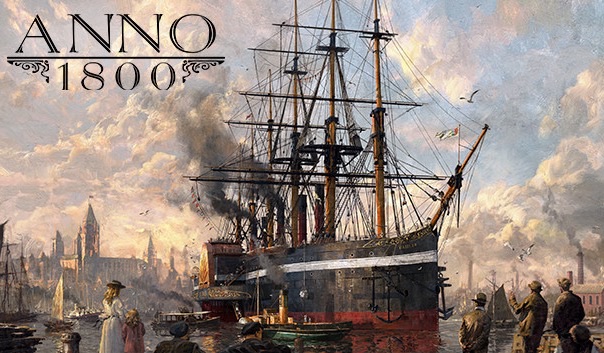
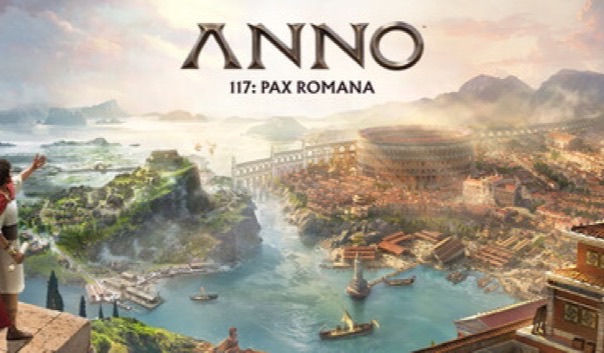
Side-by-side Comparison
Anno 1800Anno 117: Pax Romanaimportance
Two Ages, One Franchise: The Core Trade-off
The comparison between Anno 1800 and Anno 117: Pax Romana isn't about which game is objectively better—it's about which era of Anno fits how you like to build. several represents the culmination of a design philosophy: a fully expanded industrial-age sim where every expansion adds layers to an already deep logistic puzzle.
Its identity is in the juggling act—managing Old World and New World sessions simultaneously, each with its own production chains, trade routes, and population tiers. The challenge is spreadsheet logic, and the reward is a sprawling, interconnected empire that feels alive across multiple maps. several, on the other hand, is a deliberate step forward.
It takes the core Anno loop and rebuilds it with fresh systems—organic road-building that bends to the land, deity choices that shape your province's specialties, and a new visual language that brings Rome to life with postcard-like beauty. The campaign frames these provinces but leaves room for your own expansion plans.
The real tension is between depth-as-accumulation and depth-as-innovation. several's depth comes from years of DLC piling on; several's comes from systems designed from the ground up. The decision isn't about which is richer—it's about which kind of richness you want to invest in.
Why Anno 1800 Still Holds the Crown
Anno 1800 is the safe harbor for those who want a proven, luxurious city-builder. Its campaign is not just a tutorial; it's a full narrative that teaches you the machine behind the game, ensuring you understand how every gear turns. That educational depth matters because the late-game production chains are brutally complex—you'll need actual spreadsheet thinking to optimize everything, and that challenge is a draw for many.
The co-op experience is fully supported, letting you share the burden of managing those chains with a friend. But the real draw is the sheer amount of content. Years of DLC have created a massive library of buildings, mechanics, and scenarios, making each playthrough diverge thanks to island layouts and trade webs. The naval skirmishes exist but are light—this isn't a combat sim. It's a game about logistics, and it does that brilliantly.
If you're the kind of player who enjoys the satisfaction of a well-oiled machine, who likes to sink hundreds of hours into a single save, who finds joy in optimizing a complex supply chain, then several is your game. It's not the boldest choice, but it's the most complete, and for many, that's enough.
Why Anno 117: Pax Romana Is the Bold New Dawn
Anno 117: Pax Romana is for those who crave the thrill of something new, even if it comes with fewer content layers. The game's setting alone is a departure—Rome in its peaceful era—and the developers have used that to experiment. The roads, for instance, bend organically, breaking the rigid grid of previous games and forcing you to plan differently. The deity system adds a strategic layer: choosing which deity to favor grants specific specializations for your provinces, meaning each run can be drastically different based on your divine allegiance.
The campaign frames your provinces, giving you structure but not hand-holding, and the twin-province expansion planning offers a new kind of spatial puzzle. The visuals are the series' best yet, rendering Rome with that 'Anno postcard' beauty that makes every harbor a painting. Combat remains light—just skirmishes on land and sea—so it's still a builder at heart. The challenge scales with your ambition; the more you build, the more complex the chain math becomes.
For players who want to be at the forefront of the franchise, who enjoy learning new systems and discovering the game's potential before memes settle, several is the choice. It's a gamble, but the payoff is the excitement of being part of Anno's evolution.
Key facts, side by side
Playtime figures are community-reported estimates from HowLongToBeat (captured 2026-08-16), not main-story completion times.
Similar Games to Consider
Based on what you like in both games