Sea of Solitude vs GRIS
See how two games stack up across what matters most to you.
Short answer
Sea of Solitude and GRIS both turn emotional struggle into walkable worlds, but they approach grief from opposite directions. Sea of Solitude uses a voiced protagonist, named family pain, and monster encounters you must face, sailing through a flooded city that shifts from sunlit to black. GRIS offers a wordless watercolor journey where each frame is a poster, a gentle arc with no fail states. Choose Sea of Solitude for confession and confrontation; choose GRIS for visual poetry and a softer, choreographed healing.
Side-by-side Comparison
Sea of SolitudeGRISimportance
Confession versus choreography in grief
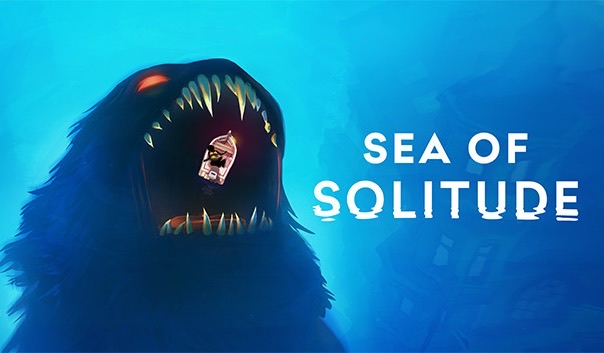
Both Sea of Solitude and GRIS render mental struggle as a landscape you walk through, yet they orchestrate that journey with opposite instincts. Sea of Solitude is a voiced confession: Kay, the protagonist, names her family pain aloud, turning abstract hurt into monsters she must meet rather than avoid.
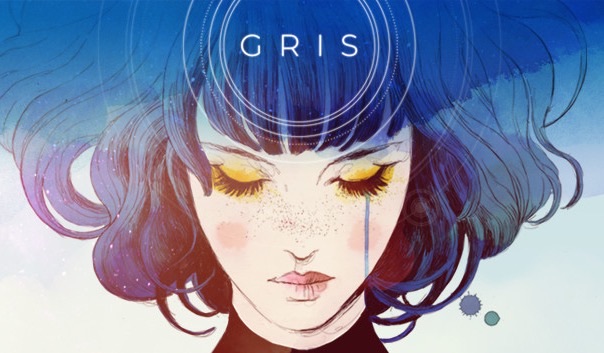
The water around her shifts from sunlit to black, a literal tide of mood, and every encounter asks you to understand before you move on. GRIS, by contrast, is wordless choreography. The protagonist drifts through watercolor frames that look like posters, and the narrative stages are told entirely through color and form, from muted grays to blooming hues.
There is no dialogue, no named wound, only a gentle arc that cannot fail by design. The decisive difference is how each game asks you to relate to pain: Sea of Solitude insists that healing starts by speaking the hurt out loud, while GRIS trusts that movement through beauty can carry you to recovery.
One is a confession booth; the other is a dance floor. Your comfort with language, confrontation, and directness will determine which emotional language resonates with you.
Choose Sea of Solitude when pain needs a voice
Sea of Solitude is for players who believe that healing requires naming the wound. The game is built around a personal, voiced script where Kay speaks her family’s pain aloud, turning it into embodied monsters that block her path. You are not here to admire the scenery; you are here to meet those monsters, to understand them, and to move through a flooded district by sailing. The exploration is gently paced, but the emotional labor is front-and-center.
There are no combat systems, only evasion, which keeps the focus on narrative rather than mechanical mastery. The world immersion comes from a water that can be sunlit and then black, matching a protagonist whose feelings swing between light and dark. This is story-first gentleness, with a difficulty curve that respects a player who wants to process a family story without being punished.
If you are looking for a game that treats grief as something to be spoken, confronted, and resolved through encounter, Sea of Solitude gives you that direct conversation. The lack of systems means no distraction from the message, and the single-player journey is a solitary but resonant confession. It is the choice for those who find relief in saying the painful thing out loud.
Choose GRIS for a gentler, wordless healing
GRIS is the choice when you want grief to be felt rather than spoken. The game strips away dialogue entirely, telling its story through watercolor compositions where every frame is a theatrical poster. The protagonist moves through stages of loss, each marked by a change in color and form, and the absence of fail states means you can never make a wrong move. That design choice makes the experience exceptionally gentle—there is no risk of falling into a pit or being caught by an enemy.
Instead, you are free to absorb the visual journey at your own pace, with light secrets tucked into a directed flow that guides you through acts of healing. The platforming itself becomes a form of therapy, each leap and glide a small, choreographed step toward light. Meaning comes from how the world shifts around you, not from what is said. There is no voiced script, no named monster, only the slow, watercolor bloom of color as the story arc softens.
GRIS is for players who prefer emotional nuance over direct address, who find comfort in subtlety, and who trust that a gentle, wordless arc can carry them through grief. It is the quieter, more abstract path—one where the healing is in the movement, not the words.
Key facts, side by side
Playtime figures are community-reported estimates from HowLongToBeat (captured 2026-08-16), not main-story completion times.
Similar Games to Consider
Based on what you like in both games