OMORI vs Undertale
See how two games stack up across what matters most to you.
Short answer
OMORI and Undertale both ask what mercy costs, but they answer from opposite ends of the emotional spectrum. OMORI digs deeper into grief and guilt, offering a sprawling, art-book Headspace and gentle emotion-triangle turn combat. Undertale keeps things tighter and funnier, with bullet-dodge mercy duels and a game that remembers your saves. If you want a heavier, more psychological excavation, choose OMORI. If you prefer grace, humor, and genre-defining mercy mechanics, choose Undertale. Both are unforgettable in their own weight.
Side-by-side Comparison
OMORIUndertaleimportance
Grief's Depth vs. Mercy's Memory
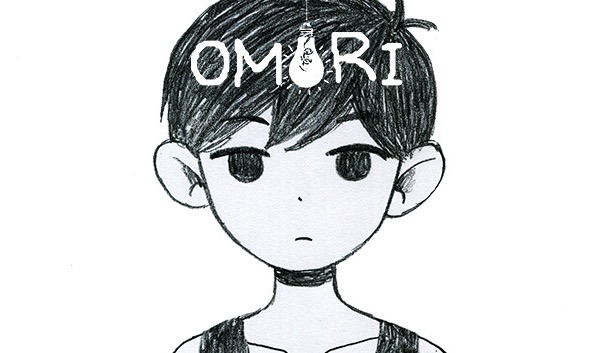
At first glance, OMORI and Undertale seem to share a skeleton: a silent protagonist, a colorful world hiding a darker truth, and a core question about how you treat enemies. But the decisive tension is in how each game metabolizes that question. OMORI is a psychological excavation, descending into grief, guilt, and a locked door that conceals a trauma you must confront.
Its world, Headspace, sprawls oddly and freely, a pastel-dread paradise where emotion-triangle turn battles feel gentle even as the narrative weighs on you. Undertale, by contrast, is built around mercy as a mechanic that defines the genre. Its bullet-dodge duels require patience, and the game remembers your saves, so your choices echo beyond the moment.
Where OMORI asks you to sink into a feeling, Undertale offers a way out—a ladder of grace. One is a heavier plunge, the other a cleverer climb. Neither is simply better; they pull you in opposite directions, and recognizing which pull you crave is the real first step. Do you want to dwell in grief or climb toward kindness? That's the fork in the road.
Choose OMORI for a Deeper Psychological Excavation
If you're looking for a game that will sit with you like a weight, OMORI is your path. It offers a deeper psychological excavation, moving beyond surface-level conflict into the murky waters of guilt and self-forgiveness. The narrative is anchored by a locked door—a mystery that propels you through a Headspace that is both art-book gorgeous and deeply unsettling. Its pastel colors and soft shapes conceal a dread that lingers, and the freedom to explore this sprawling, odd space is a key draw.
Combat is an emotion-triangle turn system, where your feelings become your weapons; it's gentle to learn but ties directly into the emotional core. The game doesn't demand twitch reflexes or punishing difficulty; instead, it asks for emotional endurance. If you want a story that unfolds at its own rhythm, with skill and snack loadouts to customize your approach, and a world that rewards aimless wandering, OMORI will give you room to breathe in the melancholy. It's a game that knows how to be heavy, and if you're ready to sit with that heaviness, you'll find a experience that's unforgettable for its depth.
Choose Undertale for Grace, Humor, and Mercy
If you'd rather have a game that meets your kindness with recognition, Undertale is the pick. Its mercy mechanics don't just exist—they define the genre, turning every encounter into a chance to spare or fight. The game remembers your saves in ways that feel personal, making your choices echo across playthroughs. Undertale is tighter, funnier, and kinder than OMORI; its bullet-dodge duels demand patience and a steady hand, but even failure feels like part of the learning curve.
The Underground is a linear, densely packed world, filled with souls that leave a mark on you. There's no sprawling freedom here, but the route choice itself becomes your build—pacifist, genocide, or something in between—and that's a different kind of depth. If you want a game that can make you laugh and then break your heart, with challenges that test your resolve to be kind, Undertale offers a grace that OMORI doesn't.
It's a shorter, more focused experience that nevertheless feels complete. For the player who values wit, meta-memory, and a chance to climb out of darkness, Undertale is the more rewarding choice.
Key facts, side by side
Playtime figures are community-reported estimates from HowLongToBeat (captured 2026-08-16), not main-story completion times.
Similar Games to Consider
Based on what you like in both games