Baldur's Gate 3 vs Divinity: Original Sin 2 - Definitive Edition
See how two games stack up across what matters most to you.
Short answer
If you want a cinematic, voiced D&D 5e adventure with deep companion romance and a polished doorway into Larian's design, start with Baldur's Gate 3. If you crave maximum systemic freedom, elemental chaos, and a cheaper, more unhinged sandbox where classless builds run wild, begin with Divinity: Original Sin 2 - Definitive Edition. Both reward a hundred hours and finishing one sells the other. Your choice depends on whether you prefer a curated story or an open toy box.
Side-by-side Comparison
Baldur's Gate 3Divinity: Original Sin 2 - Definitive Editionimportance
Cinematic polish or Wild System Toybox
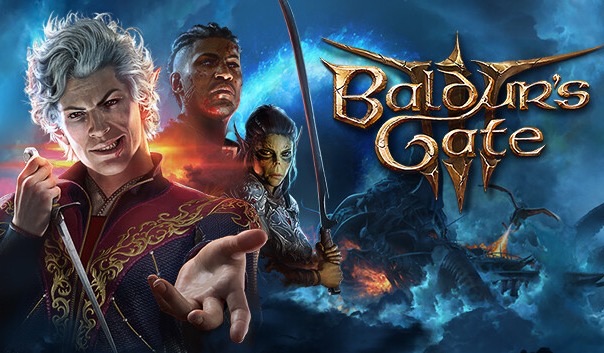
The two games sit on opposite ends of Larian's own spectrum, and that difference defines your entry point. Baldur's Gate 3 is the fully voiced, cinematic production, with every companion arc woven into a consequence web that sets the current genre standard. Its exploration rewards you for wandering anywhere in any order, but the presentation keeps you anchored in a story that feels deliberate.
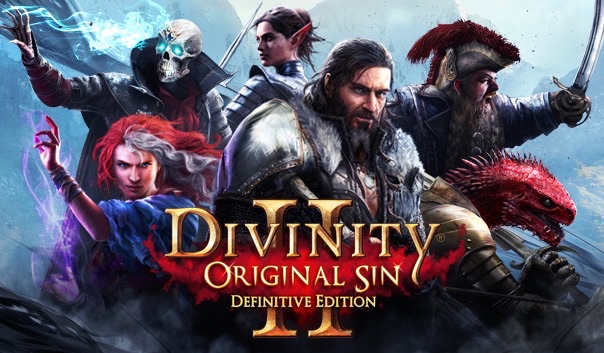
Divinity: Original Sin 2, by contrast, is the more anarchic sandbox. Its combat is elemental surface chess with an armor-split economy, and its acts are open puzzles where teleportation is a skeleton key. The classless skill mixing produces wild, legal nonsense, and the four-player co-op encourages genuinely divergent agendas.
Neither game is easier: DOS2's Tactician demands surface mastery and initiative planning, while BG3's Tactician bites but offers wider difficulty options. The real difference is how much structure you want around the systemic chaos. BG3 delivers the chaos inside a polished narrative shell; DOS2 lets the systems run almost uncontained. Your preference for cinematic direction versus systemic freedom should guide your first decision.
Choose Baldur's Gate 3 if you want the polished cinematic large-scale
Baldur's Gate 3 is the doorway for players who want their hundred-hour CRPG to feel like a movie they control. The cinematic staging and voiced reactivity are everywhere, from major cutscenes to small environmental interactions, making world immersion a constant presence. If you care about companion romance depth, this is the game where those arcs shine, and they are woven into the broader consequence web that reacts to your choices.
The D&D 5e ruleset will appeal if you enjoy multiclass buildcraft: twelve classes combine with a robust itemization system to support endless party compositions, and the verticality, surfaces, and shove mechanics turn combat into a sandbox with real tactical teeth. The full campaign supports four-player co-op, though the chaotic nature can occasionally desync from the story pacing; if you are willing to accept that trade-off, it is a rich ride.
The difficulty options span wide enough to accommodate both newcomers and veterans, with Tactician providing a challenge that respects the system. This is the more polished experience, a crafted narrative with production values that set a new bar. Start here if you want cinematic quality, romance, and a story that feels hand-tuned.
Choose Divinity: Original Sin 2 if you want the wild systemic sandbox
Divinity: Original Sin 2 - Definitive Edition is the choice for players who want Larian at its most unhinged, and it is also the cheaper entry point. The elemental surface combat is a chessboard where every fire, poison, ice, and electricity interaction matters, and the armor-split economy forces you to plan around physical and magical defenses. The classless skill system lets you mix abilities freely, producing builds that are wild, legal, and sometimes ridiculous.
Exploration feels like solving a large open puzzle: each act is a sandbox where teleportation can bypass conventional routes, rewarding creative problem solving. The story has real weight through origin characters and god-king intrigue, and the four-player co-op allows genuinely divergent agendas, so your friends can pursue their own schemes. The voiced narrator and dense interactivity sell the world of Rivellon, even if the presentation is less cinematically polished than BG3.
Tactician difficulty here demands mastery of surface interactions and initiative planning, making it a thorny challenge for those who want a tough tactical game. If you prefer maximum freedom, enjoy breaking systems in unintended ways, and want a cheaper game that still delivers a hundred hours of adventure, this is the one to start with.
Key facts, side by side
Playtime figures are community-reported estimates from HowLongToBeat (captured 2026-08-16), not main-story completion times.
Similar Games to Consider
Based on what you like in both games