Tactics Ogre: Reborn vs TRIANGLE STRATEGY
See how two games stack up across what matters most to you.
Short answer
Both are Square Enix tactical RPGs about branching wars of succession. Tactics Ogre: Reborn offers deeper combat, darker moral ambiguity, and a vast class web across a huge roster, while Triangle Strategy shines with its modern HD-2D presentation, conviction-driven voting, and a gentler difficulty curve. If you crave heavy systems and moral grayness, choose Reborn. If you prefer a more polished, story-first experience with less grinding, choose Triangle Strategy.
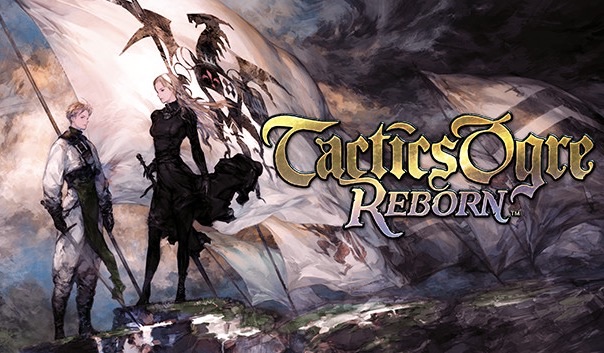
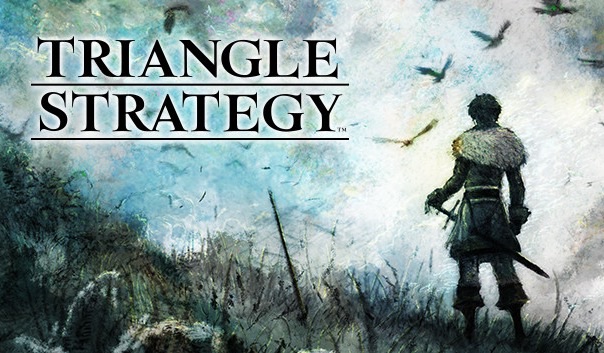
Side-by-side Comparison
Tactics Ogre: RebornTRIANGLE STRATEGYimportance
Restored Masterwork Versus Polished Homage
The comparison between these two Square Enix tactical RPGs reveals a fundamental tension: one is a restored masterwork, the other a polished homage. Tactics Ogre: Reborn's story depth is its crown jewel, with Law and Chaos routes that reshape the entire war and a political landscape in Valeria that feels almost uncomfortably real.
Its combat interlocks height, real-time order, and a sprawling class web across a huge roster, demanding constant engagement. Exploration is generous, with branch routes and side dungeons that reward curiosity. In contrast, Triangle Strategy offers a more modern, curated presentation: HD-2D dioramas bring Norzelia's statecraft to life, and its voting system injects genuine conviction into political decisions.
While its grid combat is streamlined, with elevation and follow-ups deepening classic play, it doesn't reach the mechanical density of Reborn. The tension isn't about which is 'better' but about what you value: Reborn's intricate, demanding sandbox versus Triangle Strategy's accessible, story-first refinement.
Neither game has co-op, so this is strictly a solo affair, and difficulty varies: Reborn's union levels keep battles honest, while Triangle Strategy's hard mode demands tactical discipline, suggesting different on-ramps for the same genre love.
For Those Who Crave the Deeper War
Choose Tactics Ogre: Reborn if you consider the genre's sacred texts non-negotiable. This is the masterwork restored, and it doesn't hold your hand. Its Law and Chaos routes don't just offer a different cutscene at the end—they reshape the war you play, forcing you to live with moral ambiguity that gets darker the longer you sit with it. If that appeals, Reborn's story depth will haunt you in the best way.
Combat is a lover's knot: height advantages, real-time order, and a class web that sprawls across a huge roster interlock so tightly that every battle feels like a puzzle with no single solution. You'll spend hours charting class promotions and recruiting new units, and the exploration freedom—side dungeons and branching routes—rewards that investment. The difficulty is honest; union levels keep fights fair but unforgiving, so you must earn your victories.
This is not a game for someone who wants a breezy evening; it's for a commander who wants to feel the weight of every decision, both on the battlefield and in the throne room. If you've played everything else and still feel hungry for a deep, dark, sprawling war, Reborn is your home.
For Those Who Prefer the Smoother Telling
Triangle Strategy extends a hand to players who might find Reborn's depth daunting. Its HD-2D presentation is a visual treat, with dioramas that make Norzelia's political tensions tangible. The story is a smoother telling of war and succession, but it's far from shallow: the conviction-vote system gives your decisions real weight, forcing you to persuade allies and commit to paths that can feel genuinely uncomfortable.
If that intrigue draws you, you'll appreciate how the combat, while more streamlined, still respects tactical tradition—elevation changes line of sight, and follow-up attacks reward positional awareness, but the learning curve is gentler, letting you ease into the genre. Exploration takes the form of a node map with vignettes, offering a more guided but still engaging way to discover the world.
The fixed cast means you won't face the paralysis of a huge roster, but flexible promotion and loadout paths let you customize within a contained framework. Difficulty is a choice: normal mode is a comfortable entry, while hard mode demands real tactical discipline for veterans. If you want a modern, story-driven strategy RPG that respects your time without sacrificing intellectual engagement, Triangle Strategy is the polished path forward.
Key facts, side by side
Playtime figures are community-reported estimates from HowLongToBeat (captured 2026-08-16), not main-story completion times.
Similar Games to Consider
Based on what you like in both games