Finding Paradise vs To the Moon
See how two games stack up across what matters most to you.
Short answer
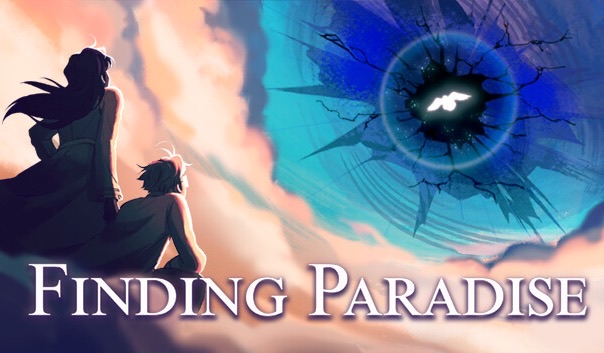
To the Moon delivers the purest first telling of the series’ core memory-archaeology premise, landing its emotional devastation with precise simplicity. Finding Paradise is a subtler, stranger, and richer instrument, offering deeper series callbacks and a more complex patient. Play To the Moon first for the definitive entry point, then Finding Paradise for its expanded emotional palette. Both are single-player narrative games, but their impact depends on the order you experience them.
Side-by-side Comparison
Finding ParadiseTo the Moonimportance
First Cut or Richer Instrument
The real difference between these two memory-dive stories is the shape of the wound they leave. To the Moon is the first cut, and it remains the deepest precisely because it does not know what it is preparing for. Its storytelling is memory archaeology: you reconstruct two lives room by room, and the devastation lands with surgical precision.
There is no pretense, no self-awareness about the series to come. It is the simplest possible wish—a man who wants to go to the moon—and the narrative trusts that simplicity to carry everything. Finding Paradise is the richer instrument. It is a memory-editing masterwork that knows you have already been here, that knows you have felt the first cut, and it plays a subtler, stranger song.
The patient is more complex, the scenery is more traversable, and the violin motif pays off in ways that only make sense after the first telling. The tension is between the pristine power of a first experience and the layered richness of a sequel that can afford to be weirder. If you go in fresh, To the Moon's purity is unmatched; if you want the fuller instrument, Finding Paradise rewards you with deeper callbacks.
There is no wrong entry, but the resonant order is clear: let the first cut be first, then let the richer instrument expand your understanding.
The Purest First Telling
If you want the definitive entry point into Freebird's memory-editing universe, To the Moon is the choice. This is the purest first telling: a single, frictionless story that reconstructs two lives with no reference to anything beyond itself. The moon-wish simplicity is the whole point. You do not need prior knowledge, and you are not wading into a web of series callbacks—you are simply following the memory archaeologists into one man's life, room by room, and feeling the precise devastation of the reveal.
If you are a newcomer, or if you want the essential, uncluttered introduction to the concept, To the Moon is your game. It has zero learning curve, no combat, and no distracting puzzles. The guided memory scenes keep you moving through the story, and the world immersion comes from the spare, piano-driven reconstruction of a life. It is the most direct path to the emotional core, and it will make the depths of Finding Paradise land harder later.
If you want to know why people love this series, start here. If you want to feel the first, deepest cut, start here. To the Moon is the classic first chapter, and it remains unmatched in its purity.
For Those Who Want a Stranger, More Layered Dive
If you have already played To the Moon, or if you are the kind of player who enjoys a subtler, stranger patient and richer narrative instruments, Finding Paradise is the one to choose. This is a memory-editing masterwork that assumes you know the drill, then twists it. The patient is not a simple wish; the story is more intricate, and the exploration is freer, letting you traverse memory scenes with more agency than the guided tour of To the Moon.
The light puzzles give you something to do between the tears, and the piano-scored memoryscape carries a more complex emotional melody. For players who want deeper series callbacks and who appreciate when a sequel builds on its predecessor rather than repeating it, Finding Paradise delivers. It is the game for those who want to see the instruments of Steamed Hams--er, For the Moon's toolkit used more intricately.
If you value a challenge, however mild, and you enjoy piecing together a stranger narrative with more moving parts, Finding Paradise is your game. It is the richer, stranger, and more layered experience, perfect for those who are ready to dive deeper into the series' emotional and narrative complexity. Do not skip it, but play it after the first cut so that its sharper edges have something to cut against.
Key facts, side by side
Playtime figures are community-reported estimates from HowLongToBeat (captured 2026-08-16), not main-story completion times.
Similar Games to Consider
Based on what you like in both games