Danganronpa: Trigger Happy Havoc vs Phoenix Wright: Ace Attorney Trilogy
See how two games stack up across what matters most to you.
Short answer
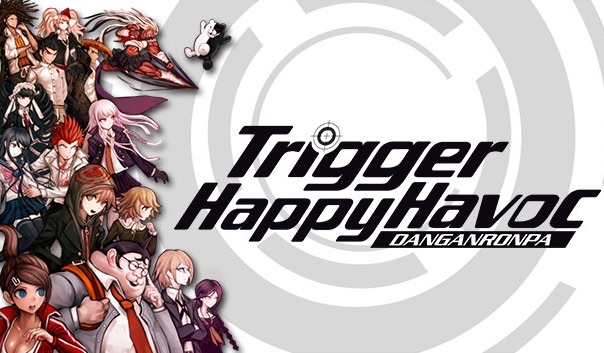
Danganronpa: Trigger Happy Havoc is a darker, kinetic thriller where trials are timed and stylish, with debate minigames and 2.5D pop-art dread. Phoenix Wright: Ace Attorney Trilogy is a warmer, more intricate craft, offering fourteen cases with clever wordplay and point-and-click investigations. If you want high-stakes tension and bite, choose Danganronpa. If you prefer classic courtroom puzzles and gentle humor, choose Ace Attorney. Both are single-player only.

Side-by-side Comparison
Danganronpa: Trigger Happy HavocPhoenix Wright: Ace Attorney Trilogyimportance
Despair vs. Craft: The Real Split
The debate between these two courtroom dynasties is not about which is superior, but about what you demand from a trial. Danganronpa: Trigger Happy Havoc treats the courtroom as a stage for pulp theater, pulling you into a world of despair-versus-hope with a committed, over-the-top narrative. Its 2.5D pop-art dread is immersive and relentless, and its debate minigames have real bite, but they come with time pressure that forces quick thinking.
Ace Attorney Trilogy, by contrast, is about the craft of the case itself—each of its fourteen cases is a carefully woven web that pays off across three games. Its cross-examinations are less about combat and more about logic, and wrong evidence stings but softly, letting you learn without punishment.
The decisive tension is tone and structure: one is a thriller that races against the clock, the other a patient, meticulous puzzle box. Your choice hinges on whether you want to be swept up in a storm of despair or to savor the slow unraveling of a cleverly constructed lie.
Choose Danganronpa for Dark Thrills
If you are drawn to darker stakes and the relentless tension of a killing game, Danganronpa: Trigger Happy Havoc is your trial. The narrative commits fully to its despair-versus-hope pulp, and that commitment is what makes it so effective—every twist is delivered with theatrical flair, and the 2.5D presentation wraps you in a stylized dread that is hard to shake. The game rewards players who want their trials timed and kinetic: debate minigames have bite, forcing you to think on your feet as the clock ticks down.
Exploration is gated by chapter, but that structure keeps the tension taut, unlocking new school floors at a pace that feeds the mystery. Even the free-time segments matter, as bonds you form tweak your perks and give you a mechanical edge. This is a single-player experience that wants you on edge, blending investigation, social links, and fast-paced logic. If you crave a courtroom that feels like a survival horror, where every objection could save your life, Danganronpa delivers that adrenaline in spades. It is a trial with teeth, designed to keep you off balance from the first murder to the final verdict.
Choose Ace Attorney for Patient Craft
If your idea of a perfect trial is a well-tailored suit of logic, Phoenix Wright: Ace Attorney Trilogy is the warmer, more inviting choice. Its humor is gentler, and its case webs are more intricate—each of the fourteen cases is a puzzle that clicks into place, with callbacks and payoffs that span all three games. The point-and-click investigation segments give you time to poke and prod every corner, building evidence at your own pace.
Cross-examinations are about wordplay and contradiction, not reflexes, and when you present the wrong evidence, the penalty is soft—a gentle nudge to reconsider, not a brutal punishment. The courtroom universe has its own consistent logic, and the world immersion comes from the characters and their quirks, not from visual spectacle. This is still a single-player game, but it is a linear one, where the joy is in the unraveling rather than the rush.
If you like to savor a mystery, to appreciate the cleverness of a well-constructed lie, and to laugh at the absurdity of a witness's testimony, Ace Attorney gives you pure craft. It is a patient, rewarding experience that respects your intellect without ever raising your pulse.
Key facts, side by side
Playtime figures are community-reported estimates from HowLongToBeat (captured 2026-08-16), not main-story completion times.
Similar Games to Consider
Based on what you like in both games