Dust: An Elysian Tail vs Ori and the Blind Forest: Definitive Edition
See how two games stack up across what matters most to you.
Short answer
Both are painted metroidvania fables, but they celebrate different poetry. Dust: An Elysian Tail is a warm anthro fable built around aerial-juggle combat with gear and augment builds, offering tunable challenge and a single-player storybook journey. Ori and the Blind Forest's Definitive Edition is a wordless fable that lands its blows through ballet-like movement, with bash chains opening exploration, steeper escape sequences (with easier modes in DE), and a transcendent painted world. Choose Dust for combat poetry and build variety; choose Ori for motion poetry and sharper platforming. The decision is about what you want to feel most: the rhythm of a fight or the flow of a leap.
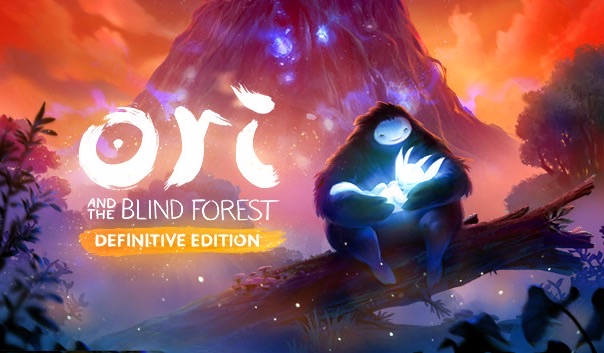
Side-by-side Comparison
Dust: An Elysian TailOri and the Blind Forest: Definitive Editionimportance
Two Fables, Two Rhythms
When people argue about Dust: An Elysian Tail versus Ori and the Blind Forest, they rarely disagree about beauty. Both are painted storybooks, but the brush strokes move differently. Dust is a warm anthro fable whose combat is aerial-juggle chains; Ori is a wordless fable that lands its blows through spirit-flame combat subordinated to movement.
The real comparison is about which poetry you want to inhabit: the poetry of a hundred-hit combo or the poetry of a single perfect leap. Dust offers tunable challenge, letting you shape the difficulty around its gear-and-augment builds. Ori anchors itself in sharper platforming and an escape sequence that spikes difficulty, though the Definitive Edition provides easier modes.
Where Dust gates exploration with abilities, Ori's bash chains pry the forest wide. The record shows combat depth favors Dust, but exploration freedom and world immersion lean Ori. You are not choosing a better game; you are choosing which kind of motion makes you feel alive. Do you want to command a whirlwind of steel, or do you want to become a ripple of light in Nibel's painted light and score, which many call transcendent? The answer says more about you than about the games.
For the Soul That Loves a Solid Punch
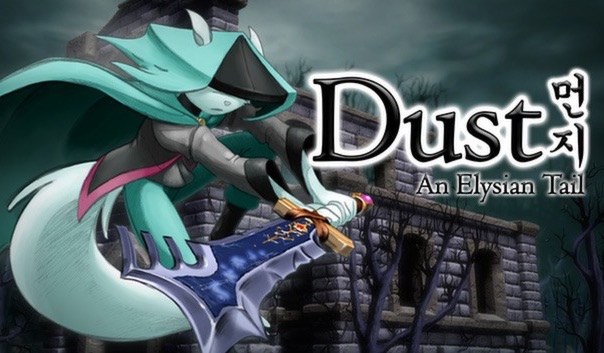
Choose Dust: An Elysian Tail if your favorite part of a metroidvania is the moment a fight clicks into a rhythm you can ride for hours. This is a single-player storybook that makes you feel like a one-animal army, juggling enemies in the air and chaining hits into a dazzling dance of damage. Its combat depth is the record leader: aerial-juggle chains that demand practice but reward with a flow state unlike any brawler.
The warm anthro fable gives you a companion in a war-guilt story, so every battle feels anchored to a character you come to care about. And because challenge is tunable, you can adjust the world to your comfort, letting the story breathe even while you master its systems. If you enjoy biggins, the gear-and-augment builds give you dozens of ways to shape your play, turning every new zone into a chance to experiment with a different approach.
This is a game for players who want their exploration gated by abilities that double as combat tools, and who measure progress by the power they bring to a skirmish. There is a purity in Dust's focus: it knows it is a fighter, and it dresses the fight in the loveliest canvas it can afford.
For the Soul That Moves With the Wind
Choose Ori and the Blind Forest: Definitive Edition if your heart races at the idea of movement as ballet. Ori does not treat platforming as a bridge between fights; it makes every leap, wall-jump, and bash a tiny standout title, and the spirit-flame combat exists to serve that flow. The record calls its exploration freedom a leader: bash chains open the forest wide, letting you swing from enemy to enemy and turn horizontal corridors into vertical playgrounds.
This is the sharper platformer of the pair, with escape sequences that spike difficulty and demand a kind of twitch precision that feels like a song you must learn by heart. The Definitive Edition softens the blow with easier modes, but the core is still a test of reflexes and memorization. And the world immersion is another leader: Nibel's painted light and score are transcendent, creating a sensory envelope that makes even quiet passages feel sacred.
If you are a player who replays a game just to feel the wind on a first jump again, who feathers the analog stick to drift a hair’s breadth, who cries at a silent story that manages to say everything—this is your forest. The linear ability tree keeps the focus on mastering what you have, not on customizing a build. You do not choose Ori; you become Ori, a mote of light through a painted world, and that is the point.
Key facts, side by side
Playtime figures are community-reported estimates from HowLongToBeat (captured 2026-08-16), not main-story completion times.
Similar Games to Consider
Based on what you like in both games