Dinkum vs Stardew Valley
See how two games stack up across what matters most to you.
Short answer
If the fantasy is to lay roads, cut licenses, and shape an empty island into a town with friends, Dinkum's terraforming and shared progress fit. If the fantasy is to arrive in a valley that already breathes with festivals, villager heart events, and a decade of content depth, Stardew Valley's community and romance will hold you longer. Both are forgiving; the real question is whether you want to build a community or join one.
Side-by-side Comparison
DinkumStardew Valleyimportance
For the Town Founder
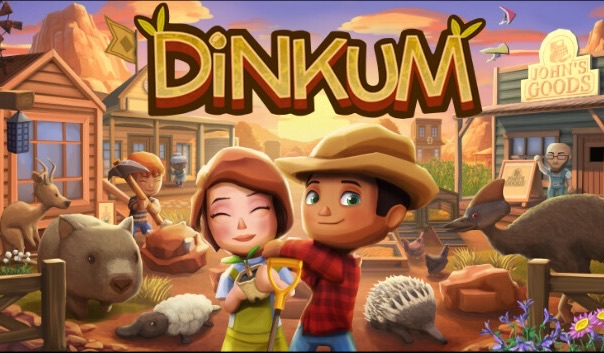
The two games tug at the same lonely-heart fantasy in opposite directions. Dinkum hands you a mostly empty, procedurally generated island and says: this is yours to furnish. Its narrative is the town itself, told through the placement of benches and buildings, the dirt you flatten, the licenses you save for.
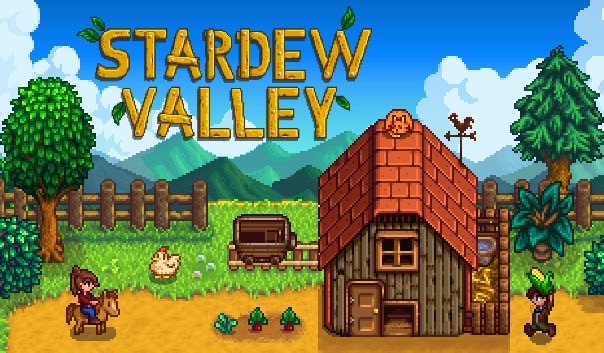
Stardew Valley does the opposite: it drops you into Pelican Town, which is already alive with villager schedules, seasonal festivals, and quiet personal arcs. The valley's story lives in people, not in your blueprints, and it gives that community emotional weight through heart events that unfold slowly across seasons.
So the deepest tension is about where you want the meaning to come from. Dinkum rewards the act of creation—each new building feels like a chapter you wrote. Stardew rewards the act of belonging—each festival and heart event feels like a page already waiting for you. Neither game punishes you heavily or demands mastery; both are fundamentally gentle.
But one gets its texture from the space you make, and the other from the fabric of characters you slip into. Players who stay up arranging lampposts will find a home in Dinkum; players who hoard daffodils for a specific villager's birthday already know which valley they belong to.
For the Valley Settler
If your favorite part of any life sim is the first few hours when you are scraping together a workbench and the world still feels like a blank page, Dinkum will speak to you. Its large procedurally generated island is open from the start, and the freedom to terraform entire coastlines and flatten hills lets you shape land to fit the town you imagine, not the one the map hands you. The outback flavor—heat haze, roos hopping across your fields, brush storms rolling in—gives exploration a distinct charm, and the modest wildlife threat adds a little spice to the early days without ever becoming punishing.
Licenses and tools cost real grind, so progress feels earned; you are not just decorating a parcel but literally founding a settlement. That sense of construction is strongest in co-op, where a small group can work smoothly together to raise a town from nothing, sharing the itch of unlocking each new building and deciding where the roads go. The game invites you to be the mayor, the planner, and the laborer all at once.
If the appeal is standing at the edge of an empty beach and thinking, 'I will turn this into something', or if your friend group wants a shared canvas rather than a shared spreadsheet, Dinkum is the island that wants you to build it.
The Question of Friends
Stardew Valley's power comes from the people, and it is the right choice if those relationships are what keep you coming back. Villager heart events and quiet personal arcs carry real emotional weight—there is no giant plot, but the slow unfolding of someone's story feels personal because it is happening to you. Festivals anchor the year, and everyone's schedules make Pelican Town feel genuinely alive; you are a part of that life, not just the force that changes it.
The map is compact rather than open, but it opens up steadily: caves, desert, Ginger Island, and the valley all reward patient curiosity. Mechanically, the combat is simple, and almost nothing punishes you hard; the only real pressure comes from time management. Yet the freedom is not in the land but in the paths you choose. Farm layout, profession choices, and many varied money-making routes support very different play styles, so your story can be about wine, fishing, or befriending everyone.
And there is a reason players have stayed for a decade: the content is deep, and the community around it is just as enduring. If you would rather join a living town than build one, this valley has been waiting for you—and it will still be full of life long after you leave.
Key facts, side by side
Playtime figures are community-reported estimates from HowLongToBeat (captured 2026-08-16), not main-story completion times.
Similar Games to Consider
Based on what you like in both games