Spirittea vs Stardew Valley
See how two games stack up across what matters most to you.
Short answer
Spirittea removes farming entirely, replacing it with bathhouse management for spirits and small-town mystery, while Stardew Valley remains the genre standard with farming, festivals, and vast post-game. If you want zero farming chores and a ritualistic, spirit-focused routine, pick Spirittea. If you prefer the benchmark loop of farm-to-festival depth, endless content, and co-op, Stardew Valley is your choice. Neither is uniformly better; they relax differently.
Side-by-side Comparison
SpiritteaStardew Valleyimportance
Ritual vs. Routine
The core difference between Spirittea and Stardew Valley is not farm size or graphics; it is the rhythm of your daily tasks. Spirittea trades the hoe for a scrubbing brush, placing you in a run-down bathhouse where you cater to spirits. Your routine revolves around opening the baths, managing rush hours, and slowly unraveling the town's supernatural gossip.
There is no farming, no crops to water, no harvest to schedule. Instead, the game offers a town of schedules, where each spirit and villager follows their own timetable, and your job is to fit into that rhythm. Stardew Valley, in contrast, builds its loop around the farm: planting, watering, harvesting, and then branching out to festivals, villagers, and exploration.
The valley, caves, desert, and Ginger Island open up steadily, but the map is compact rather than open-world. The seasons dictate your pace, and time management is the only real pressure. The decisive tension is whether you find relaxation in ritual—repeating a soothing, purposeful act—or in routine, where each day's structure grows into a familiar, absorbing pattern.
Spirittea's bathhouse is about perfecting a ceremony; Stardew's farm is about building a sustainable cycle. Both are cozy, but they scratch different itches.
Choose Spirittea for a Spirit-Soaked Escape
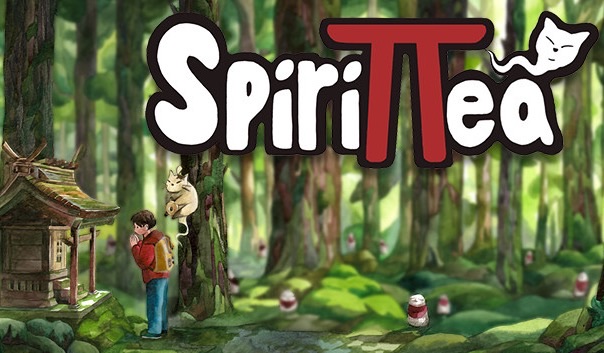
Spirittea is the right choice if you want no farming chores at all. The game is pitched as 'Stardew without the farm,' and that is accurate: you will never till soil or chase a golden carrot. Instead, your time goes into bathhouse management. You scrub floors, prepare baths, and serve spirits, all while navigating a small-town mystery. The rural Japan warmth is present in every corner, and the spirit-and-gossip threads give the town a secretive, intimate atmosphere.
If you prefer a cozy game that feels like a supernatural slice-of-life rather than an agrarian simulator, Spirittea offers a fresh take. There is no combat, no co-op, and no grand narrative; it's a single-player experience focused on the ritual of care. The challenge comes from bathhouse rush hours, when you must balance the needs of multiple spirits at once. For players who want a smaller, more focused scope—a manageable town with a mystery to unravel and no pressure to optimize a farm—Spirittea is a deliberate, charming alternative.
It is a game about listening to schedules, reading whispers, and making a space welcoming. If the idea of a bathhouse full of spirits sounds more soothing than a field of parsnips, this is your pick.
Choose Stardew for the Farm-to-Festival Loop
Stardew Valley remains the genre's benchmark loop for a reason: the farm-to-festival depth is unmatched. You start with a patch of overgrown land, and through seasons of planting, foraging, fishing, and mining, you build a thriving homestead. The game offers almost no hard punishment; the only real pressure is time management. But that pressure is what makes the routine engaging. You set your own goals—renovating the farm, completing community bundles, or befriending every villager.
The emotional weight comes from villager heart events and quiet personal arcs, which give real depth even without a central dramatic plot. Stardew supports many playstyles: farm layout, profession choices, and multiple money paths let you play as a rancher, a miner, a fisherman, or a social butterfly. And if you want to share the rhythm, the mature 1-4+ player co-op lets everyone work on the same farm economy.
The valley, caves, desert, and Ginger Island open up steadily, giving you a compact but dense world to explore. With endless post-game content, Stardew is a game that can absorb hundreds of hours. If you want a cozy routine that grows with you, offering festivals, secrets, and a living town, Stardew Valley is the proven favorite.
Key facts, side by side
Playtime figures are community-reported estimates from HowLongToBeat (captured 2026-08-16), not main-story completion times.
Similar Games to Consider
Based on what you like in both games