Games like Slay the Spire
Discover new adventures that match what you love.
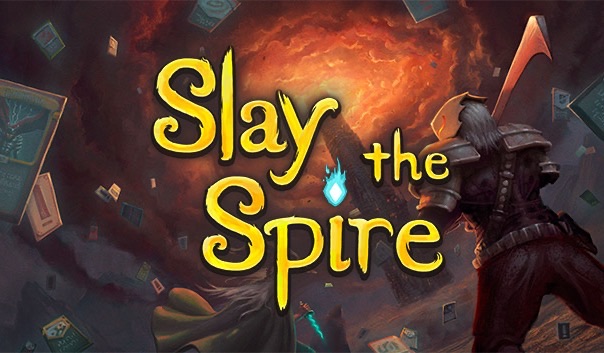
RoguelikeDeck BuildingStrategySingle Player
The game that invented the deckbuilding roguelike: climb a three-act spire drafting cards and relics, where every fight is a math puzzle and every draft a philosophy. Still the cleanest strategy loop in the genre it created.
Similar-game research
In Slay the Spire, you draft cards, plan your path, and battle enemies, weighing risk against reward on each climb. Below are six directions of change: some double down on defense and unit placement, some swap the deck for poker or symbol combinations, and one introduces non-combat narrative choices.
Length:Sort by:
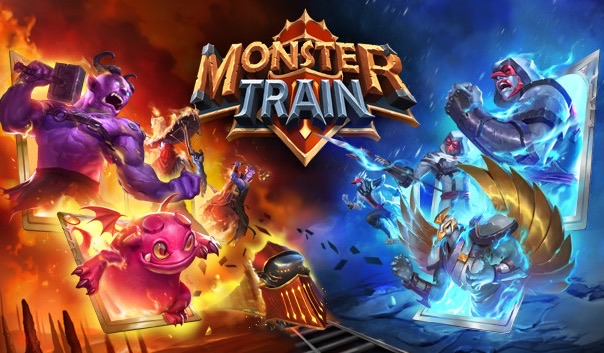
Monster Train
Deck BuildingRoguelikeStrategyPublic similarity
- Why it's similar
- You start by picking a clan to shape your starting deck, then deploy minions and play spells across three vertical lanes, balancing upgrades and defense as you strengthen your deck against incoming waves.
- Choose it when
- Prefer handling pressure on three fronts simultaneously rather than focusing on one lane's card draw and combat.
- But
- Three battlegrounds are under attack at once, so you juggle multi-lane offense and defense instead of advancing a single path. Five clans each bring specific mechanics, and mixing primary and supporting clans, plus card upgrades and duplication nodes, reshapes which synergies you pursue.
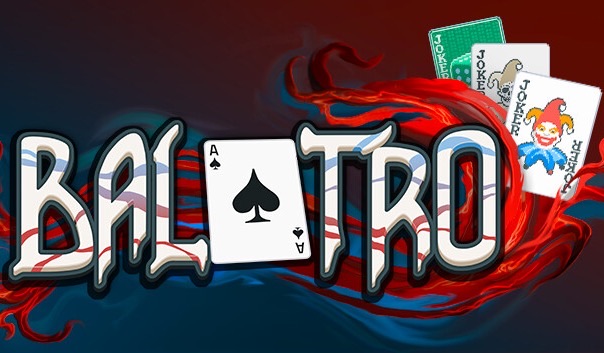
Balatro
Deck BuildingRoguelikeQuick PlayPublic similarity
- Why it's similar
- Each round you draw, play, or discard from a deck, then stack Joker and other card effects to multiply the score of a standard poker hand, pushing for higher totals within a limited number of plays.
- Choose it when
- Care more about turning a plain hand into a massive score chain, and are willing to forgo combat positioning and health management.
- But
- The deck consists of playing cards, so you aim for flushes, straights, and other hand types rather than unit-and-skill interactions. Jokers supply global multipliers and trigger conditions, shifting the focus from deck composition to maximizing multiplicative returns on a single hand.

Wildfrost
Deck BuildingRoguelikeCutePublic similarity
- Why it's similar
- You begin by choosing a tribe leader to set your starting stats, then map a route across a randomized tundra, encountering enemies and events, all while building a deck and using the counter system to time attacks and defenses during combat.
- Choose it when
- Prefer planning a short route in a single run but are okay with investing time between runs to expand a settlement and unlock more deck options.
- But
- Combat relies on a counter system where cards don't act every turn, so you must read enemy countdowns to plan moves rather than trading blows each round. After each run you return to a hub town to construct buildings, unlocking new cards, challenges, and customization between runs.
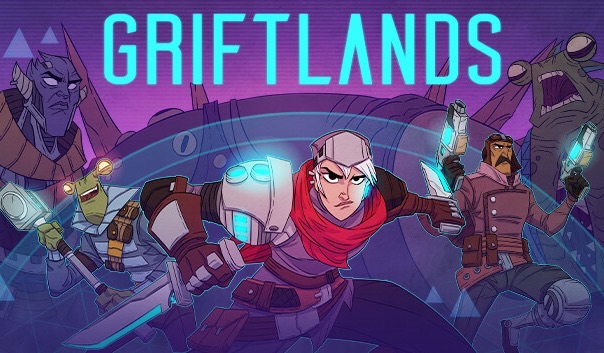
Griftlands
Deck BuildingRoguelikeRPGPublic similarity
- Why it's similar
- You make choices during random events and quests, building both a combat deck and a negotiation deck while managing relationships with other characters, as each decision alters future options and enemy attitudes.
- Choose it when
- Plan to invest in multi-chapter storylines and prefer cultivating an interpersonal network rather than optimizing a single ladder climb.
- But
- Combat and persuasion run in parallel, requiring you to maintain two decks and switch between them contextually. Character relationships and reputation shift quest outcomes, and killing or sparing enemies has lasting consequences rather than just in-run numeric effects.
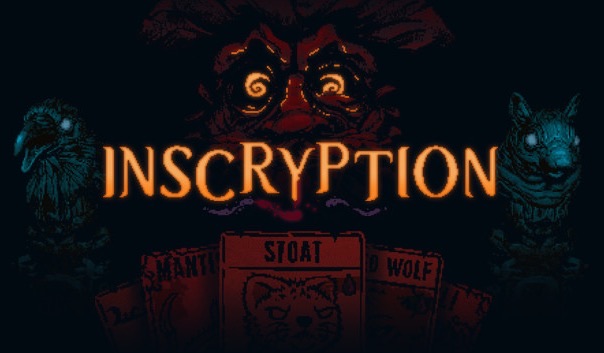
Inscryption
Deck BuildingRoguelikeHorrorPublic similarity
- Why it's similar
- You build a deck in a dark atmosphere, strengthen creatures through sacrifice and upgrades, and battle by placing minions on a board, while also exploring a cabin environment and interacting with mysterious characters to progress.
- Choose it when
- Treat puzzle solving and narrative as the core of the experience, and are willing to see combat as just one component rather than the sole source of challenge.
- But
- Outside combat, escape-room puzzles and psychological horror come into play; you must inspect surroundings, gather clues, and solve riddles, not just pick routes and cards. Card acquisition happens through drafting, surgery, and self-mutilation, adding a non-traditional, macabre twist.
Shortlists for these games
Each of these has a researched page of its own.