Games like Monster Train
Discover new adventures that match what you love.
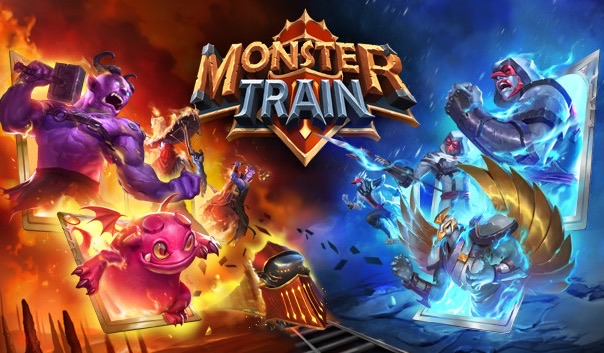
Deckbuilding tower defense on three vertical floors: route hell's last pyre through frozen heaven while clan pairings and champion upgrades stack into obscene engines. The other great post-Spire deckbuilder - faster, busier and built for combo maximalists.
Similar-game research
In Monster Train, you deploy units on three vertical floors, upgrade cards, and defend the final Pyre. The recommended games offer different deck-building approaches: some replace cards with dice, some emphasize positioning and timing, and one adds narrative exploration. Each title shifts the core loop in a distinct way, so you can choose the variant that matches your preferred strategic focus.
Monster Train 2
Deck BuildingRoguelikeStrategy- Why it's similar
- You still defend three vertical battlegrounds, deploying units, upgrading cards, and reacting to enemy waves on each floor. New room and equipment cards boost your train before battle, but the core defensive decisions and resource allocation carry over directly.
- Choose it when
- Prefer the familiar three-floor defense but want new enemy factions, more challenging Titans, and a hub that adds story progression and pre-run customization options.
- But
- The sequel introduces Titans as tougher bosses and a campaign spanning Hell, Heaven, and the Abyss, adding map complexity. You ally among five new clans, use room cards for global boosts and equipment cards for unit bonuses, and visit a hub to advance story and choose different Pyre Hearts that customize each run.
Wildfrost
Deck BuildingRoguelikeCute- Why it's similar
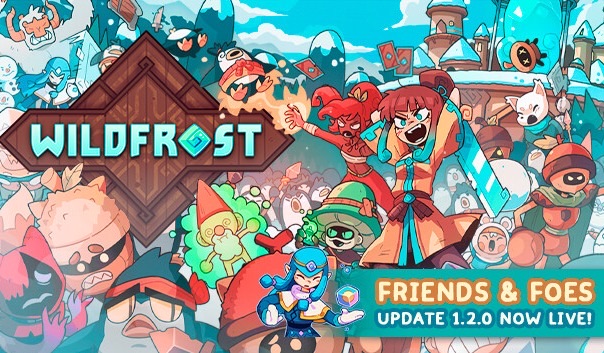
- Each turn you watch both sides' counters, deciding whether to boost your units, stall an enemy attack, or speed up your own timer. This counter-based tactical planning mirrors Monster Train's defensive decision-making across floors.
- Choose it when
- One run at a time, focused on precise timing in a single arena, and willing to trade multi-floor defense for a slower, more deliberate deck-building and hub progression.
- But
- Wildfrost uses a single battlefield, so you build your deck by recruiting companions, equipping charms, and choosing routes rather than defending three levels. Combat hinges on the counter system's timing, and between runs you expand the hub town to unlock cards, tribes, and events instead of upgrading clan units within a run.
Astrea: Six-Sided Oracles
Deck BuildingRoguelikeStrategy- Why it's similar
- You build a resource pool (dice) with risk-reward choices and manage your health during combat through Purification and Corruption, balancing output against self-harm. This trade-off between building your engine and managing health echoes Monster Train's decisions between upgrading units and spending gold on cards.
- Choose it when
- Willing to accept dice luck instead of card draw luck and to manage an HP-linked skill system, this suits players who prefer fine-tuning risk and stability.
- But
- Astrea replaces cards with dice; you edit die faces, choose from three risk-type dice, and use Purification to damage enemies or heal yourself, or Corruption to damage yourself and heal enemies. The dynamic health bar attaches skills to your HP, so you intentionally take Corruption to activate abilities but risk being consumed, unlike Monster Train's fixed defense of a single Pyre.
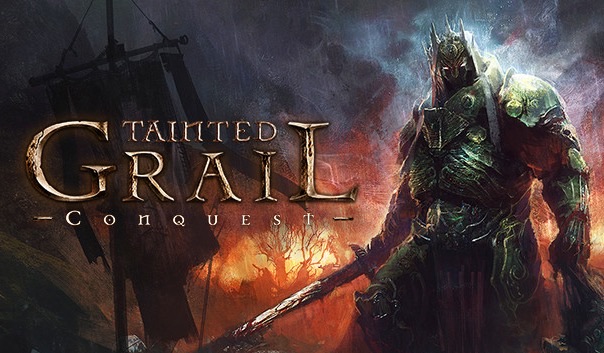
Tainted Grail: Conquest
Deck BuildingRoguelikeStory Rich- Why it's similar
- Exploring ever-changing maps, you choose routes, face battles, and pick card rewards while managing resources to survive. This exploration-driven deck-building matches Monster Train's node-based planning where you decide between upgrades, recruits, or card copies.
- Choose it when
- More interested in exploring a story-driven world with real-time action than defending three lanes in a single arena, and willing to give up multi-layered tactical setup.
- But
- Tainted Grail: Conquest is an action RPG hybrid with real-time combat rather than only turn-based deployment. You uncover a story about Avalon's curse through dialogue and events, while Monster Train focuses on multi-floor defense and clan synergies without any RPG narrative.
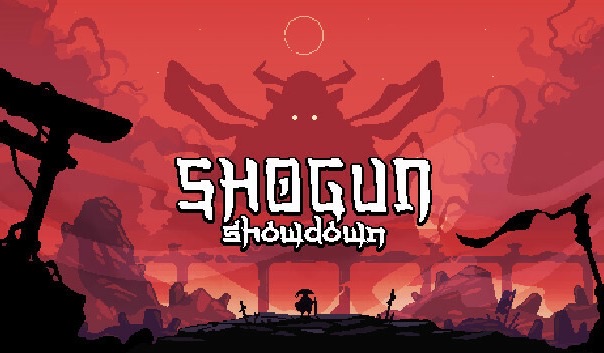
Shogun Showdown
Deck BuildingTacticsRoguelike- Why it's similar
- Each turn you move to a new tile and decide when to unleash attacks, mixing positioning with timing to maximize damage. This positional decision-making echoes Monster Train's unit placement across floors and choosing when to play cards.
- Choose it when
- Prefer a fast, compact turn-based duel centered on movement and combos, without management of multiple floors or large armies, ideal for quick sessions and immediate tactical calls.
- But
- Shogun Showdown has a one-dimensional grid where you reposition before enemies close in, rather than defending three vertical lanes. You upgrade attack tiles instead of unit abilities, chain tiles for combos, and unlock new characters and skills upon death, with shorter runs.
Shortlists for these games
Each of these has a researched page of its own.