Games like Wildfrost
Discover new adventures that match what you love.
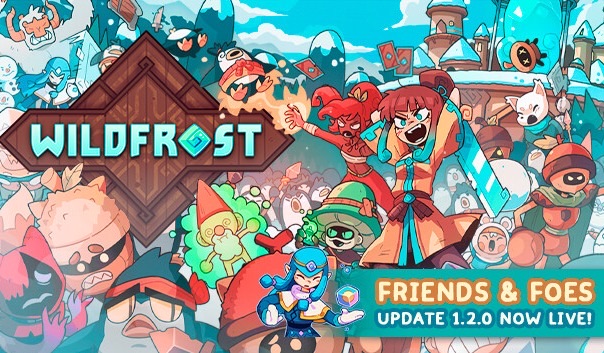
A deceptively adorable tactics-deckbuilder: units with countdown timers fight on two rows, and every charm you stick to a card rewires your engine. Notoriously harder than its plush art suggests - and endlessly buildable once it clicks.
Similar-game research
In Wildfrost, you pick a tribe leader, map a path across a frozen tundra, recruit companion and item cards, and use the counter system to time attacks around enemy turns, then expand the hub between runs. The recommendations below introduce positional combat with tile combos, dice-based dual damage, pachinko-style aiming, six distinct character gimmicks, free-roam simultaneous turns, and spellcraft built on mana dice manipulation.
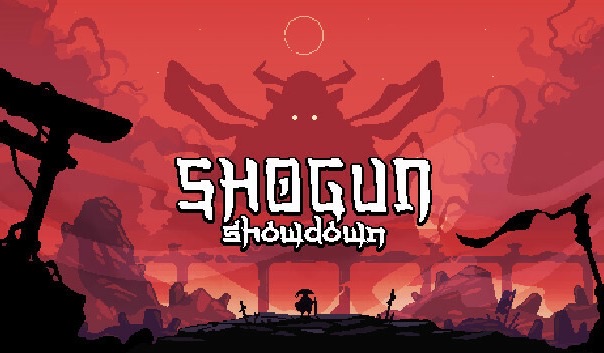
Shogun Showdown
Deck BuildingTacticsRoguelike- Why it's similar
- Each turn you position your character, decide which attack tile to play, and watch enemy cooldowns to anticipate their next strikes; after a combo you re-evaluate placement to avoid being cornered. Both games ask you to sequence actions around incoming turns.
- Choose it when
- Prefer treating each battle as a chess-like puzzle, planning movement and attack order on a small board, and are willing to skip hub town expansion and random events.
- But
- Combat shifts from card counters to a grid where you move and attack, with upgradeable tiles that combo when adjacent. You can knock enemies back or pull them closer, altering distance each turn, whereas Wildfrost has no positioning and fights are frontal.
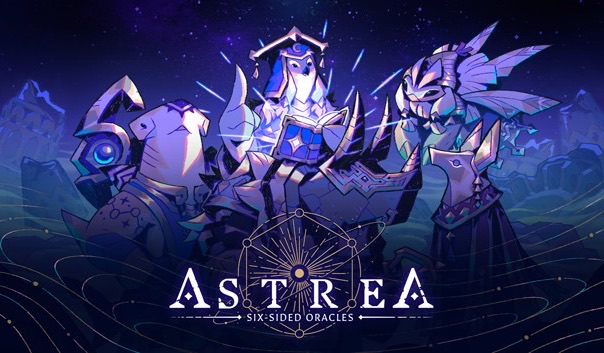
Astrea: Six-Sided Oracles
Deck BuildingRoguelikeStrategy- Why it's similar
- You draft dice from safe, balanced, or risky types and watch enemy dice to predict their intent, much like reading counters in Wildfrost. Both require planning several turns ahead, balancing offense with setup.
- Choose it when
- Are comfortable with dice randomness and willing to modify faces or accept self-corruption for powerful abilities, rather than relying on consistent card values.
- But
- Instead of cards, you roll dice each turn, with outcomes influenced by editing die faces. Damage splits into Purification (heals you, hurts foes) and Corruption (hurts you, enables skills), forcing a self-damage trade-off absent in Wildfrost, where all damage is outward.
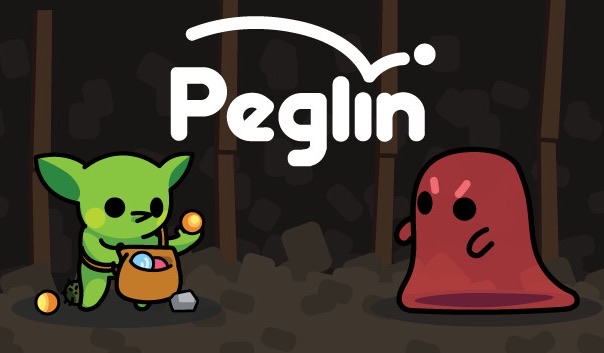
Peglin
Deck BuildingRoguelikeArcade- Why it's similar
- Each turn you fire an orb, watching its bounce to aim and hit more pegs for damage, while managing crit, refresh, and bomb potions—similar to Wildfrost's resource planning across turns. Both demand sequencing limited actions.
- Choose it when
- prefer calculating launch angles and using potions to correct misses, and are okay with no enemy turn timers.
- But
- Combat becomes pachinko physics: damage depends on launch angle and peg hits, not card effects. Enemies don't have counters; they react to your shot. Exploration uses a new map each run with jumping between areas instead of a fixed path.
Dicey Dungeons
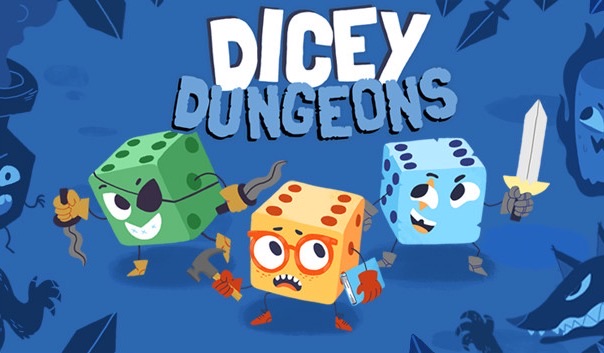
Deck BuildingRoguelikeStrategy- Why it's similar
- Each turn you roll dice and assign them to equipment or skills, reading enemy intentions to block or attack—much like Wildfrost's counter-based planning. Both involve allocating limited resources under uncertainty.
- Choose it when
- Want to jump between six distinct resource puzzles (stealing, blackjack, item destruction) rather than mastering one counter-centric deck.
- But
- Your character is a giant die, and abilities trigger by spending dice pips; Wildfrost cards attack automatically on counters. Six classes have wildly different resource engines (e.g., Thief steals equipment, Robot plays blackjack), whereas Wildfrost uses a uniform counter system.
Inkbound
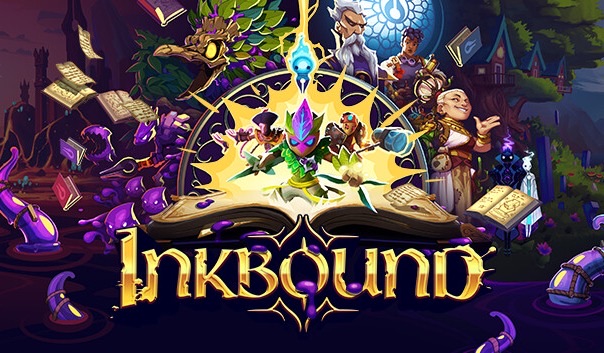
Deck BuildingRoguelikeCo-op- Why it's similar
- In turn-based combat you move freely and use abilities, reading enemy patterns to dodge area attacks—similar to Wildfrost's anticipation, but with spatial evasion instead of card counters. Both require planning around enemy intent.
- Choose it when
- Prefer moving on a board to dodge telegraphed attacks and coordinating ability combos with friends, rather than solo deck-tuning.
- But
- Combat is not static card play; you move in real time within a turn, and in co-op all players act simultaneously, letting you speed up or slow down. Classes and abilities are drafted each run, unlike Wildfrost's fixed deckbuilding.
Shortlists for these games
Each of these has a researched page of its own.