Games like Monster Train 2
Discover new adventures that match what you love.
Deck BuildingRoguelikeStrategySingle Player
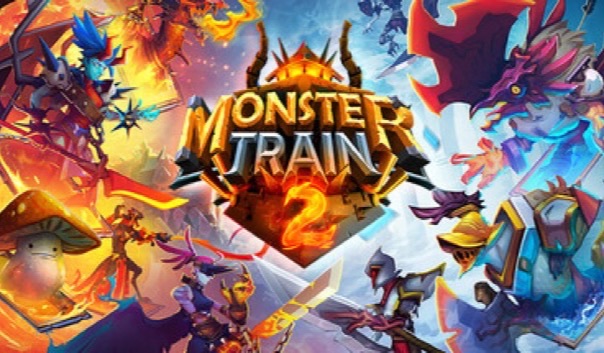
The hell-train rolls again, now through heaven: five new clans, room-based vertical defense sharpened by equipment cards and pathing tweaks, and the same dizzying clan-pairing combinatorics that made the original a genre pillar. A sequel that respects your 300 hours and asks for 300 more.
Similar-game research
Monster Train 2 is not only about drawing powerful cards. Its three-floor defense, clan combinations, route choices, and equipment let a run grow into its own engine. These six games all reward revising a build while playing, but they make different trade-offs around board position, randomness, and party management.
Length:Sort by:
Slay the Spire
RoguelikeDeck BuildingStrategyPublic similarity
- Why it's similar
- Slay the Spire compresses a run into a clean loop: read enemy intent, draft a card, take a relic, then choose a map node. Each decision changes how several fights ahead can be solved, so long-term planning matters just as much.
- Choose it when
- Start here when you want to keep the thought that one draft can shape the next ten minutes, but want a cleaner battlefield and easier post-run reflection.
- But
- It removes Monster Train 2's three-floor positioning, clan units, and defensive routing; combat is one row of enemies and one row of you. The payoff is more direct card math, and it is usually easier to see where a mistake began.
Monster Train
Deck BuildingRoguelikeStrategyPublic similarity
- Why it's similar
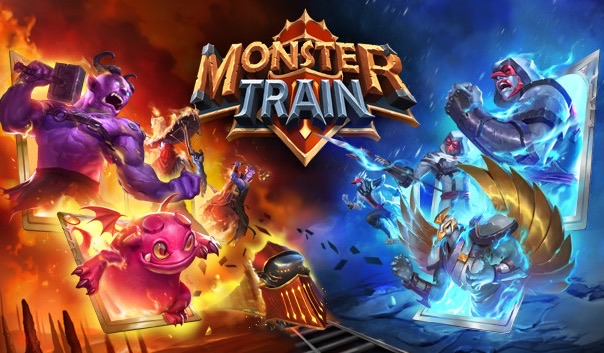
- This is the most direct return: three defensive floors, paired clans, champion upgrades, and rail nodes already made the original's deckbuilding tower defense feel complete. Anyone who enjoys a small combination growing into an outrageous engine can still spend a long time here.
- Choose it when
- Choose the original when you do not want another kind of card game at all; you want the purest, most compact version of this three-floor defense idea.
- But
- Monster Train 2 expands that system with five new clans, equipment cards, and route refinements. The original is the tighter prototype: fewer new toys, and fewer layers to hold in your head at once.
Astrea: Six-Sided Oracles
Deck BuildingRoguelikeStrategyPublic similarity
- Why it's similar
- Astrea also lets a run take shape through a dice pool and branching routes, but it replaces playing cards with rolling dice. Deciding when to accept risk before and after a roll creates the same tension of planning ahead and then taking a calculated chance.
- Choose it when
- Put it near the top when you want to leave familiar cards and units behind while keeping the pleasure of refining a combination over a run and taking controlled risks.
- But
- There are no three defensive floors or clan units. Purification and corruption replace ordinary damage logic, and corruption can even be a resource you deliberately take on. The goal of building a run remains, but the way you judge a turn changes completely.
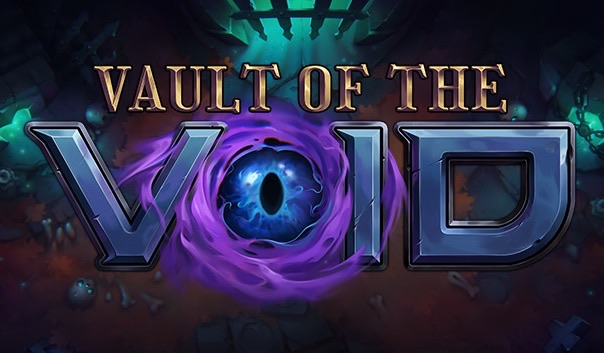
Vault of the Void
Deck BuildingRoguelikeStrategyPublic similarity
- Why it's similar
- Vault of the Void also puts its pleasure in adjusting a build before and after fights: you keep reshaping the deck around enemy actions, routes, and the cards available to you. It suits players who enjoy treating each turn as a problem to unpack.
- Choose it when
- Choose it when you enjoy calculating clan combinations but want to try a high-information version where a loss is much less likely to feel like bad luck.
- But
- It gives you far more information and adjustment power: enemy intent is clearer, cards can be swapped freely between fights, and Void stones can control draws. Compared with Monster Train 2, there is less drama in what happens to be drawn and much more decision density.
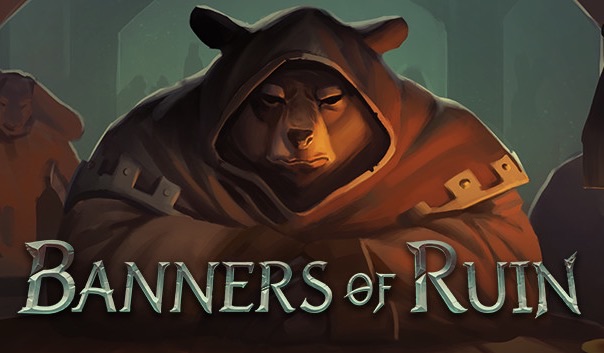
Banners of Ruin
Deck BuildingRoguelikeStrategyPublic similarity
- Why it's similar
- Banners of Ruin also asks you to make a deck and a series of choices stand up over time: armor, bleed, and talents accumulate across fights, while elites test whether the party was actually prepared.
- Choose it when
- Take this route when you want the pressure of managing who stands in front and whether a whole team can survive, with deckbuilding tied more tightly to party management.
- But
- It trades Monster Train 2's clan engine for a small animal party. Front and back rows, party members, and bleed stacking matter more than defending vertical floors, and its progress feels like a sequence of hard fights through city districts.
Shortlists for these games
Each of these has a researched page of its own.