THE KING OF FIGHTERS XV vs Street Fighter™ 6
See how two games stack up across what matters most to you.
Short answer
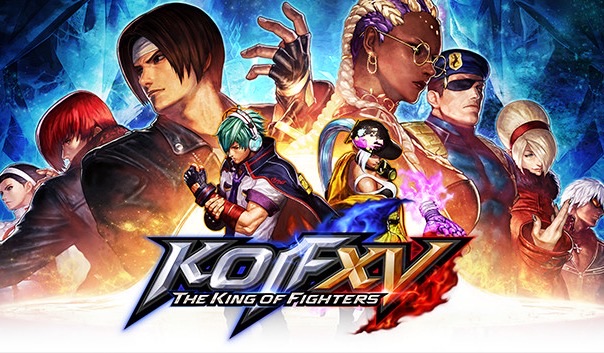
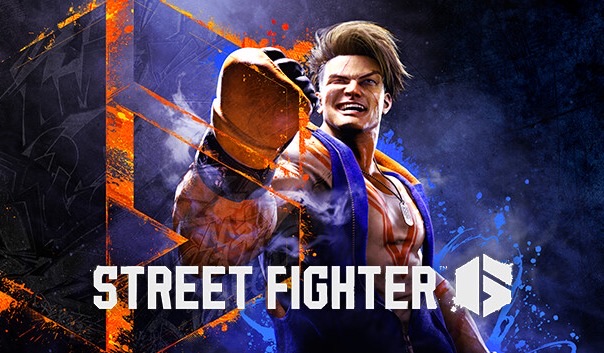
KOF XV and SF6 both carry the SNK-Capcom rivalry into the modern era. KOF XV is a team-based fighter where order, meter, and hop-game execution create layered strategy; it rewards dedicated trio practice and local-versus culture. SF6 welcomes a wider arcade with modern controls, a full RPG-like World Tour, and social hubs, while its Drive gauge layers risk onto classic footsies. Pick KOF XV for three-character strategy and SNK's legacy; pick SF6 for the on-ramp, the world, and the larger tournament scene.
Side-by-side Comparison
THE KING OF FIGHTERS XVStreet Fighter™ 6importance
Depth-first or door-first?
The SNK-versus-Capcom debate is fighting games' oldest grudge, and both new entries renew it from opposite angles. KOF XV builds its identity on team battles: you pick three characters, order them, and manage a shared meter across the fight. The result is a system where neutral is harder-hitting and execution—especially the hop-game—demands dedicated practice.
SF6 instead puts a modern welcome mat at the door. Its control scheme lowers the entry barrier, while a full World Tour mode turns solo play into an earnest RPG campaign. Even the fighting system itself is designed as risk management: the Drive gauge layers decisions over classic footsies. One game asks you to commit to its depth before the fun opens up; the other invites you in first and lets the depth reveal itself over years.
Neither approach is wrong—they just reward different investments. The tension is between a game that respects your grind and one that respects your time, between the purity of team strategy and the breadth of a modern package.
KOF XV is for the dedicated three
If you find yourself thinking in trios, KOF XV's team framework is unmatched. The strategy begins before the match: which three characters, in what order, and how to budget the shared meter across each round. Every fighter—drawn from SNK's long legacy roster—brings tools that change meaning depending on who stands before and after them. Team-order permutations alone offer a kind of build variety that a single-character game can't replicate.
This is a game for the player who enjoys solving puzzles with their fingers, who likes the crunch of hop-game execution and the satisfaction of landing harder hits because they've internalized the neutral. It's also a local-versus culture: the kind of game you play on one screen with a rival next to you, trading sticks and taunts. The trade-off is that the path is steeper. You'll need to put in the time with dedicated practice, and the game's presentation, while polished with tournament-stage gloss, stays closer to menus and lobbies than to a living world. If your joy comes from mastery over a complex system and the rhythm of a team that clicks, KOF XV rewards that devotion.
SF6 is for the whole arcade
Street Fighter 6 doesn't just lower the barrier—it tears it down and builds a city around it. For newcomers, the modern control scheme is a genuine on-ramp, letting you focus on reads and positioning before you worry about motion inputs. For solo players, World Tour is an unexpectedly earnest RPG campaign that turns Metro City into a character in its own right; the exploration freedom is real, with labs and lobbies to follow.
The game is built around a 20-plus-character roster where variety comes from the breadth of fighters rather than from team order. And behind that welcoming facade, the Drive gauge adds a layer of risk management that deepens the classic footsies game over time—mastery still takes years. SF6 also plugs you into a bigger tournament scene, with social hubs that make the game feel like an arcade that never closes.
The trade-off is that co-op is really 1v1 at heart; clubs are social glue, not new modes. If you want a game that invites you in, gives you a world to explore, and offers a clear path from casual to competitive, SF6 is the door that opens widest.
Key facts, side by side
Playtime figures are community-reported estimates from HowLongToBeat (captured 2026-08-16), not main-story completion times.
Similar Games to Consider
Based on what you like in both games