Street Fighter™ 6 vs TEKKEN 8
See how two games stack up across what matters most to you.
Short answer
Both are stellar, but they serve different tastes. Street Fighter 6 is the best school for newcomers and a masterclass in tight neutral, with its Drive system adding risk economy and a charming World Tour mode. Tekken 8 is a spectacle of 3D movement, juggle combos, and Mishima drama, with Heat driving aggressive offense and a 32-character roster of deep playstyles. Choose SF6 for 2D footsies and approachable depth; choose Tekken 8 for larger-than-life combat and relentless pressure.
Side-by-side Comparison
Street Fighter™ 6TEKKEN 8importance
Two Flagships, Two Different Languages
The decision between Street Fighter 6 and Tekken 8 isn't about which is bigger or better; it's about two distinct dialects of fighting. SF6 speaks in feet, fireballs, and the risk economy of the Drive gauge. Every exchange is a conversation about spacing and commitment, where a single mistake can be punished but where clever resource management can flip the script.
Tekken 8 speaks in movement and momentum: sidesteps, juggle combos, and wall carry. Its vocabulary is vast, layered over decades of mechanics, and its Heat system rewards relentless aggression. The bottom line from the comparison isn't that one is superior – it's that they're different beasts. SF6 is a tighter, more contained neutral; Tekken 8 is a sprawling spectacle.
Your preference for 2D footsies or 3D movement will define your experience more than any review score. Make the preference concrete before deciding: the record points to Street Fighter™ 6 for 2D footsies and fireball spacing appeal, You want the best-in-class newcomer onboarding, The Drive system's risk economy excites you, while TEKKEN 8 is associated with 3D movement and juggle combos are your fantasy, You grew up with Mishima drama, Aggressive Heat-driven offense suits your temperament.
The comparison also records these distinctions: story and narrative: World Tour is a surprisingly earnest RPG campaign.; The Mishima saga gets a blockbuster finale chapter.. combat depth: Drive gauge risk management layers over classic footsies.; Movement, frames and wall carry - decades deep.. freedom to explore: World Tour's Metro City, then labs and lobbies.; Menus and stages..
co-op experience: 1v1 at heart; clubs are social glue.; 1v1 by nature.. challenge and learning curve: Modern controls lower entry; mastery is still years.; Korean backdash is a lifestyle.. world immersion: Metro City has genuine charm.; Absurd opera, gloriously so.. build and playstyle variety: A 20+ character roster is the variety.; 32 fighters, each a dissertation... They are not a universal scorecard; they show what each game asks you to spend your attention on.
Choose Street Fighter 6 for the Classroom and the Clutch
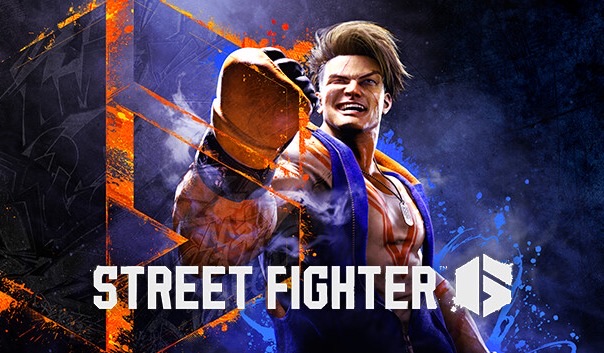
If the idea of controlling space with hadokens and punishing whiffs makes your heart race, Street Fighter 6 is your home. It's described as the best school for newcomers, with Modern controls lowering the entry barrier while mastery still remains years deep. The Drive system adds a layer of risk management over classic footsies – every parry, rush, or overdrive is a calculated bet. World Tour mode offers a surprisingly earnest RPG campaign, and its exploration freedom – Metro City's charm, then labs and lobbies – gives you a reason to live in the game beyond the ranked ladder.
You'll find a 20+ character roster, each with distinct but familiar 2D archetypes. If you crave the purity of a neutral game where every pixel of spacing matters, and you want to learn fundamentals that translate across fighting games, SF6 is the polished, welcoming arena you deserve.
Choose Tekken 8 for the Opera of Chaos and Motion
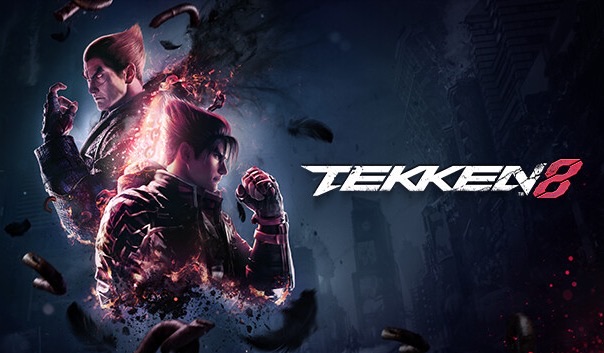
Tekken 8 is the choice for players whose imagination runs to 3D movement, juggle combos, and the theatrical drama of the Mishima clan. The comparison calls it a blockbuster finale chapter, and its world immersion is described as an absurd opera, gloriously so. The famous Korean backdash isn't just a technique; it's a lifestyle, and the game's depth is measured in decades. With 32 fighters, each a dissertation, you can spend years learning the intricacies of your main.
Heat drives an aggressive, in-your-face offense that suits players who prefer to dictate the tempo. While it lacks the open-world exploration of SF6's World Tour, the story mode is a cinematic ride, and the stages are your only playground. If you grew up on Mishima drama and dream of wall-carry combos, Tekken 8 delivers a spectacle that only 3D can provide. Make the preference concrete before deciding: the record points to Street Fighter™ 6 for 2D footsies and fireball spacing appeal, You want the best-in-class newcomer onboarding, The Drive system's risk economy excites you, while TEKKEN 8 is associated with 3D movement and juggle combos are your fantasy, You grew up with Mishima drama, Aggressive Heat-driven offense suits your temperament.
The comparison also records these distinctions: story and narrative: World Tour is a surprisingly earnest RPG campaign.; The Mishima saga gets a blockbuster finale chapter.. combat depth: Drive gauge risk management layers over classic footsies.; Movement, frames and wall carry - decades deep.. freedom to explore: World Tour's Metro City, then labs and lobbies.; Menus and stages.. co-op experience: 1v1 at heart; clubs are social glue.; 1v1 by nature..
challenge and learning curve: Modern controls lower entry; mastery is still years.; Korean backdash is a lifestyle.. world immersion: Metro City has genuine charm.; Absurd opera, gloriously so.. build and playstyle variety: A 20+ character roster is the variety.; 32 fighters, each a dissertation... They are not a universal scorecard; they show what each game asks you to spend your attention on.
Key facts, side by side
Playtime figures are community-reported estimates from HowLongToBeat (captured 2026-08-16), not main-story completion times.
Similar Games to Consider
Based on what you like in both games