Slay the Spire vs Monster Train
See how two games stack up across what matters most to you.
Short answer
Slay the Spire is the genre's chess: pure, balanced, minimalist drafting math with an enormous skill ceiling in its Ascension levels. Monster Train is its pinball student: faster, busier runs with clan-pairing combos and three-floor tower-defense positioning. If you want disciplined, replayable mastery, pick Spire; if you want explosive, chaotic synergies and spatial tactics, pick Monster Train. Both are essential, but your taste in challenge and pace decides the order.
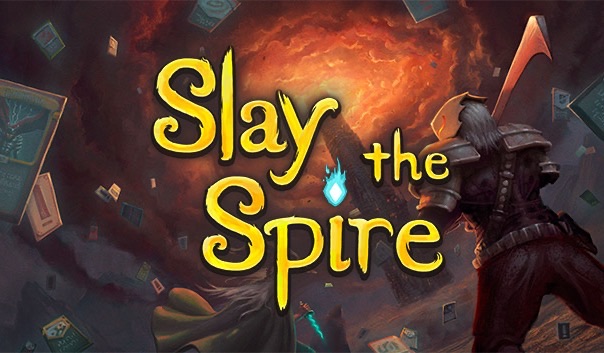
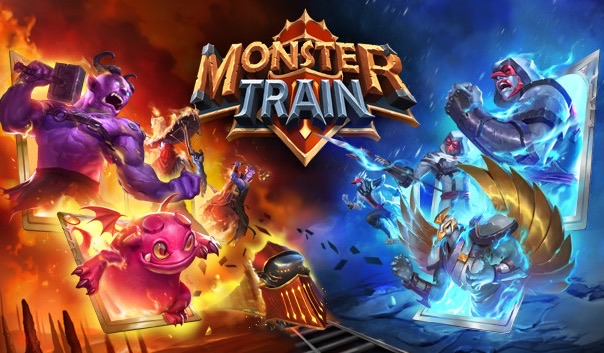
Side-by-side Comparison
Slay the SpireMonster Trainimportance
Chess vs. Pinball: Where the Tension Lives
The founding rivalry between Slay the Spire and Monster Train is a study in opposite edges of the same genre. Slay the Spire is chess: every combat is a puzzle of intent-reading turn math, where each card, relic, and route choice tightens a knot of probability and patience. Its skill ceiling is enormous, and its minimalist presentation—functional art, cards as the world—lets the drafting math speak with clarity.
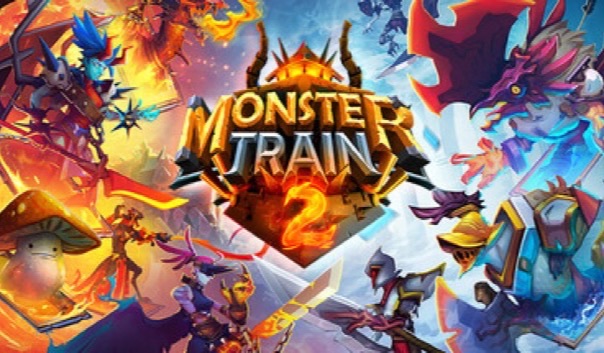
Monster Train is pinball with a doctorate: a three-floor tower-defense battlefield where spatial positioning meets exponential clan-pairing combos. The visual noise is deliberate, a stained-glass hell that rewards players who track dozens of moving parts simultaneously. The decisive tension is not about which system is deeper—it is about how you want your brain to work during a run.
Spire demands a monk's focus on subtraction: uncluttering a deck until every card earns its place. Monster Train demands a juggler's rhythm, adding floors, units, spells, and upgrades until the whole machine fires in cascades. Neither approach is a shortcut; both have long, punishing difficulty curves. But they exercise different muscles, and the choice between them is a choice between two kinds of discipline.
When Spire's Math Is Your Language
Slay the Spire is for the player who wants the purest, most balanced drafting math in the genre. Its four characters and their infinite draft lines define replayability, but the real project is Ascension 20—a legitimate discipline that rewards long-term study. Each run is a lesson in minimizing waste: every card added must be justified, every route on the node map is a calculated risk. The game gives you no story, no cinematic framing, because the narrative is in the numbers.
If minimalism helps you think clearly, Spire's functional art and sparse UI become an asset, not a limitation. The combat depth here is unmatched in its intent-reading turn math: enemies telegraph actions, and you learn to solve dozens of micro-puzzles each hour. There is no co-op, no distraction, just you and the spire. Choosing Spire means you relish the idea of a mastery project that unfolds over months, where the skill ceiling feels truly endless.
Players who find joy in a single well-constructed deck, who appreciate when a removal card is more exciting than a rare relic, will find their home here. It is the chess set that never breaks, and every game is a fresh board.
When Monster Train's Combos Are Your Fuel
Monster Train is for the maximalist who wants faster runs with more moving parts. Its clan-pairing system explodes the build space—two clans combine to create exponential synergies that Spire's single-character drafts cannot touch. The three-floor combat adds a spatial layer that turns drafting into a tactical positioning puzzle: where you place your units matters as much as what you add to your deck.
This is tower-defense meets deckbuilding, and the result is a chaotic, colorful cascade of effects. The heaven-hell inversion framing—you defend the last pyre, often against angelic forces—gives the game a distinct flavor without burdening it with narrative weight. Covenant 25 demands engine discipline, but the path there is louder and more forgiving in the early learning curve. Runs are quicker, so you see more combinations per hour, which is ideal for players who crave novelty and experimentation.
The stained-glass hell aesthetic is a visual treat that makes the complexity feel inviting rather than intimidating. If async Hell Rush events do not tempt you, the single-player core still offers immense variety. Choosing Monster Train means you want your brain to spark with cross-clan interactions, to feel the rush of a build that spirals out of control in a single turn, and to enjoy chaos as a design philosophy.
Key facts, side by side
Playtime figures are community-reported estimates from HowLongToBeat (captured 2026-08-16), not main-story completion times.
Similar Games to Consider
Based on what you like in both games