RimWorld vs Dwarf Fortress
See how two games stack up across what matters most to you.
Short answer
RimWorld and Dwarf Fortress are both single-player colony sims that generate stories instead of scripting them, and both tie on build variety. The split is depth versus approachability. Dwarf Fortress simulates its world harder, reaches further into caverns and the wider map, and demands more of you: its learning cliff is real even with the Steam edition's UI mercy. RimWorld is the one you can actually finish learning, with a readable UI, a rich mod scene and colonist psychology as the drama engine. We think most newcomers should start with RimWorld; pick Dwarf Fortress if the cliff is the appeal.
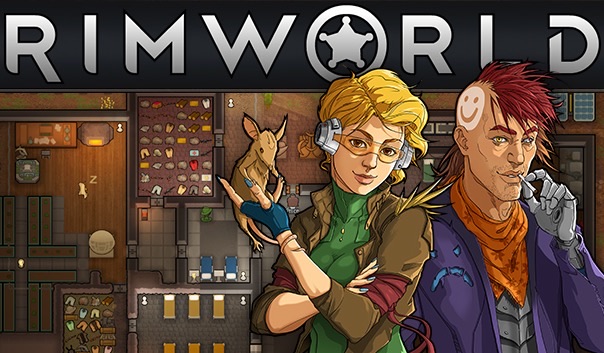
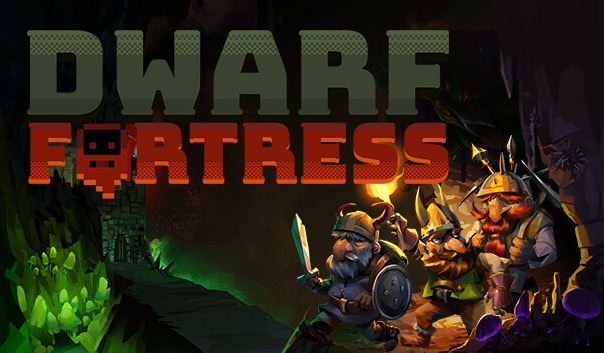
Side-by-side Comparison
RimWorldDwarf Fortressimportance
Curated chaos or a world simulated down to the sock
Both games tie on story depth, combat depth, build variety and co-op: both generate their stories rather than scripting them, both let you build without end, and both are single-player only. The gap opens on three dimensions, and Dwarf Fortress leads all three. Its world simulation goes further: every myth, vein and sock is generated and tracked, generated histories give each artifact a biography, and in our reviewers' words no game simulates a world this hard.
Its exploration reaches a little further too, with caverns below the fortress and a whole world outside, where RimWorld extends beyond the home tile through caravans and world quests. The largest difference is difficulty, and here higher means harder, not better. RimWorld's official philosophy is that losing is fun, and it earns a firmly hard rating.
Dwarf Fortress sits near the top of the scale because the learning cliff remains real even with the Steam edition's UI mercy. Sessions run about the same, 1.5 to 4 hours in both. So the decisive question is what you want from depth. RimWorld gives you curated chaos: an AI storyteller scheduling raids and plagues over simulated psyches, wrapped in a readable interface. Dwarf Fortress gives you infinite simulation and asks you to climb to it.
Pick RimWorld if you want the drama without the cliff
We think RimWorld is the right call for most players arriving at this pair for the first time, and for anyone who wants the stories more than the systems. Three things make the case: mod-rich accessibility, a readable UI, and colonist psychology as the source of drama. Every colonist's moods, organs and relationships are simulated, and the simulated psyches make them painfully real, so the tragedies you tell friends about come from people you recognise.
An AI storyteller schedules raids, plagues and heartbreak, which we read as what curated chaos means in practice: pressure arrives on a schedule someone designed rather than rising purely from the depth of the world model. Build variety matches Dwarf Fortress, so you give nothing up there. Base layouts, ideologies and mods branch infinitely, and we think that mod scene is a big part of why the game stays fresh past its first crash landing.
Combat is cover-based raids that hinge on killbox engineering. Exploration trails Dwarf Fortress slightly, but caravans and world quests do take you beyond the home tile. It is still hard, with losing is fun as the official philosophy, but it is the story generator you can actually finish learning. If you prefer curated chaos to infinite simulation, start here.
Pick Dwarf Fortress if the bottomless part is the point
Dwarf Fortress is the game to choose when you want the deepest simulation ever shipped and are happy to pay for it in hours of confusion. It leads RimWorld on world immersion, exploration and difficulty, and the three go together. The world you dig into generates and tracks every myth, vein and sock, and generated histories give every artifact a biography, so the fortress sits inside a history rather than on top of a map.
That is the draw for players who find generated myths and histories fascinating for their own sake. Exploration pulls in two directions at once, caverns below and a whole world outside, which is a little more than RimWorld's caravans and world quests offer. Military management is deep, oblique and body-part-specific, so we think combat rewards patience with its systems. Build variety ties with RimWorld; fortress design space is effectively unbounded, so in our view the wall you hit will not be what you can build.
It will be ambition inviting catastrophe, and that is the appeal. The Steam edition finally makes losing is fun approachable, with graphics and UI mercy, but the learning cliff remains real. We think you should only pick it if that cliff is part of what you want, because this is the story generator you never finish learning. If that sounds like a promise rather than a warning, this is your game.
Key facts, side by side
Playtime figures are community-reported estimates from HowLongToBeat (captured 2026-08-16), not main-story completion times.
Similar Games to Consider
Based on what you like in both games