Outlast 2 vs Outlast
See how two games stack up across what matters most to you.
Short answer
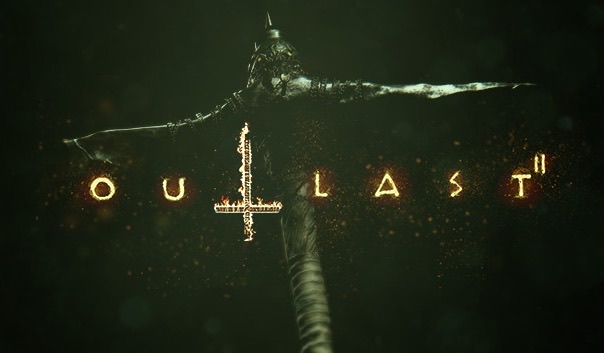
The original Outlast is the sharper scare: tight asylum corridors, a famous one-life Insane mode, and an unbearably close camcorder frame. Outlast 2 trades those walls for wide rural chases, a heavier cult trauma story with tapes, and a grainy night-vision dread. Start in the asylum for the purer hide-and-run loop; graduate to the desert if you want more space and cruelty.
Side-by-side Comparison
Outlast 2Outlastimportance
Tight Corridors vs. Wide Deserts
Outlast and Outlast 2 both run on the same hide-and-record instinct, but the spaces they force you through could not feel more different. The original locks you inside the wings of Mount Massive Asylum, a linear string of narrow corridors, patient rooms, and maintenance shafts where every hide spot feels both a mercy and a trap.
You memorise the rhythm of a guard's patrol, the flicker of a distant light, the slide of a door that should stay shut. The sequel, by contrast, pushes you into a rural desert settlement at night, where a cornfield or an open yard gives you a different kind of terror: not a wall closing in, but a horizon you can't read.
Enemies can approach from anywhere, and a chase often becomes a sprint across a field with no obvious corner to duck behind. The asylum sharpens fear into a point; the desert smears it across distance. Neither is a better design, but each changes what you feel. If you want to test how well you can hold your breath in a closet, play the original.
If you want to feel exposed under a wide night sky, play the sequel. The two games are cousins, not twins, and the space between them is the whole argument.
Start in the Asylum
Choose Outlast if you want the purer hide-and-run loop, the one that defines the series in its rawest form. Mount Massive's corridors are deliberately tight, and that confinement turns every encounter into a test of hiding rather than evasion. You have one camcorder, a night-vision mode that eats batteries, and no combat by design; the game never asks you to be a fighter, only a survivor.
The story arrives through documents that assemble a nasty corporate conspiracy, and that slow, fragmentary reveal rewards patience and curiosity. The Insane mode is famous for its one-life restriction, and it becomes a gauntlet that demands route memory and precise timing. If you have ever wanted to feel the original dread that made the series a touchstone, this is the version that started it.
Its tighter corridors mean fewer variables, but the purity of the loop means every mistake is your own. The camcorder frame makes the horror almost unbearably close, and that intimacy is a large part of why its scares hit so sharply. For a shorter, more concentrated nightmare, and a clear foundation for everything the sequel tries, begin here.
Graduate to the Desert
Choose Outlast 2 if you are ready for a heavier, crueller nightmare that trades claustrophobia for wide-open exposure. The shift to rural chase spaces gives you more room, but that room is rarely comfortable; a field at night offers nowhere to hide except a ditch or a shack, and the AI's ability to spot you from a distance keeps the tension high. The story is built around cult trauma, layered through tapes, and it does not let you off the hook with a neat conspiracy; it grinds into themes that are darker and more personal.
The grainy night-vision presentation is sharper and more oppressive, and the chases demand route memory in a way that feels learned rather than intuitive. If the original is a scalpel, this is a sledgehammer, and some players will prefer its scope. The sequel also benefits from a more ambitious setting, trading institutional horror for a community gone wrong, and that change refreshes the formula.
If you have already survived the asylum and want to see what the series can do with open ground, this is the natural next step. It is not a replacement; it is an expansion, and it will reward those who are ready for a longer, more sprawling descent.
Key facts, side by side
Playtime figures are community-reported estimates from HowLongToBeat (captured 2026-08-16), not main-story completion times.
Similar Games to Consider
Based on what you like in both games