Resident Evil Village vs Resident Evil 7 Biohazard
See how two games stack up across what matters most to you.
Short answer
Resident Evil 7 is the meaner, more oppressive nightmare, a bayou household terror that never lets you breathe. Village trades that claustrophobic dread for a gothic carnival of four distinct horror houses, wrapped around a hub village, with the Duke's gun economy adding build variety. If you want the scarier, more focused survival horror experience, play RE7. If you prefer operatic spectacle, varied pacing, and more gunplay freedom, play Village. Ideally, play RE7 first, then Village, to see the Winters saga evolve.
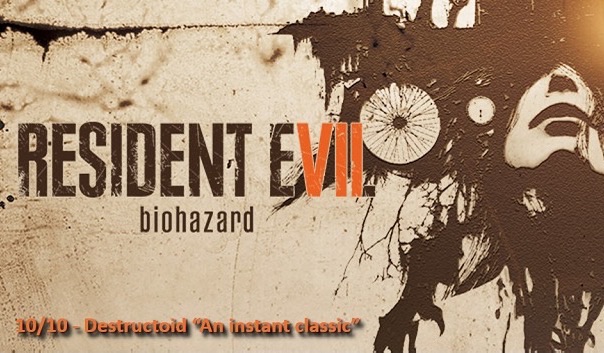
Side-by-side Comparison
Resident Evil VillageResident Evil 7 Biohazardimportance
Dread First, Spectacle Second
The real split between Resident Evil 7 and Resident Evil Village isn't quality; it's the posture of fear. RE7 is the nightmare: the Bakers' house never stops breathing, and every corridor is a wet, rotting throat that might swallow you. The game is built on scarcity—ammo, healing, even safe corners—so combat feels like a desperate negotiation with death.
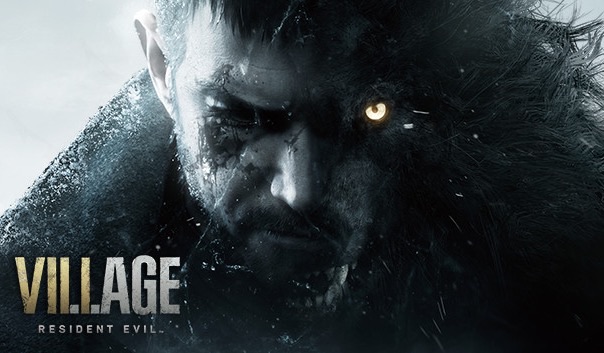
Village, by contrast, is a haunted theme park. It still wants to scare you, but it does so with a carousel of gothic carnival dread: a castle, a dollhouse, a reservoir, and a factory, each with its own rhythm. Where RE7 suffocates, Village switches rides. The immediate consequence is pacing. RE7 holds you in a single oppressive estate, using lock-and-key classicism to force revisits and build mounting pressure.
Village opens into a hub with spokes, letting you choose which horror house to visit next, and that freedom dilutes the tension into something more theatrical. Both are resource-tight, but RE7's scarcity is atmospheric, while Village's is economic, tied to the Duke's shop and the gun builds you can craft. Neither is objectively superior; they are different flavors of fear, and knowing which one you crave is the first step to choosing.
Choose Village for the Carnival's Variety
Pick Resident Evil Village if you want the Winters saga's final act to feel like a tour through a grotesque funhouse. The game's engine is variety: four distinct horror houses—each with its own villain, tone, and trick—spoked around a central village. That structure means the game constantly reinvents itself, moving from gothic castle to eerie dollhouse to damp reservoir to industrial factory, and the pacing stays lively because no single location overstays its welcome.
The combat also leans into choice. The Duke's shop gives you an economy to manage, letting you buy, upgrade, and build a gun loadout that matches your style, which adds a layer of build variety that RE7 doesn't offer. Even the exploration rewards this approach: the hub-village structure invites you to wander, try different paths, and find optional treasures that feed back into your arsenal.
If you enjoyed the operatic push of later Resident Evil games—where horror is a seasoning on a grander action spectacle—Village will satisfy that hunger. It's still demanding, with Village of Shadows difficulty waiting for those who want punishment, but the fear is presented as a show rather than an ambush. You're still Ethan Winters, still fragile, but the world around you is a stage built for awe and dread in equal measure.
Choose RE7 for the Bayou's Unbroken Terror
Choose Resident Evil 7 if you want the horror to feel personal, invasive, and inescapable. This is the meaner, scarier entry. The Bakers' plantation is not a theme park; it's a home turned into a trap, and the game uses its first-person perspective to make every creak and groan a presence. The estate's lock-and-key design is deliberate and claustrophobic, forcing you to backtrack through rooms you've already cleared, but the house doesn't stay passive—it rearranges, it breathes, it feels alive.
Combat is a holding action, not a power fantasy. Ammo is scarce, enemies are tanky, and you often choose between fighting and fleeing because resources are too precious to waste. That scarcity breeds real tension, and the game's difficulty options reflect it: Madhouse mode doesn't just buff enemies, it rearranges the entire item placement and enemy layout, forcing even veterans to relearn the space.
The story is a bayou family tragedy with a sharp turn, and that narrative spine keeps you pushing forward even when the atmosphere becomes unbearable. If you want the first-person horror rebirth that RE7 represents—a game that strips away spectacle and leaves you alone with your own dread—this is the one. It's the nightmare you'll remember long after the credits, and it's best experienced before Village to see how Ethan's saga began in darkness.
Key facts, side by side
Playtime figures are community-reported estimates from HowLongToBeat (captured 2026-08-16), not main-story completion times.
Similar Games to Consider
Based on what you like in both games