Content Warning vs Lethal Company
See how two games stack up across what matters most to you.
Short answer
Content Warning turns horror into a group improv comedy show where you dive, film monsters, and post clips for ad revenue—the chaos is the point. Lethal Company drops you into procedural facilities with a quota to meet, where proximity voice chat is your only lifeline and the bestiary punishes mistakes. Choose Content Warning for a gentler, absurdist night of content creation; choose Lethal Company if you want purer survival tension and richer lore.
Side-by-side Comparison
Content WarningLethal Companyimportance
The Camera Versus the Quota
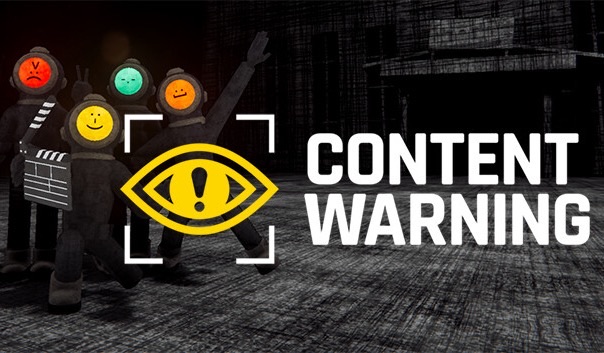
These two games start in the same room—friends yelling in proximity voice chat while monsters prowl—but they point at opposite exits. In Content Warning, the camera is the goal. Your crew descends into procedural dive zones with one job: capture something terrifying enough to post on SpookTube and rake in ad revenue.
The framing is absurdist from the jump: you are not trying to live, exactly, but to make a watchable clip. Greed kills crews, and the VHS-grain dread always carries a wink. Every jump scare is also a potential thumbnail. Lethal Company, on the other hand, treats survival as the entire text. You are an expendable employee, and the company's quota math forgives nothing.
Procedural facilities hide under a day-night clock; most of the time you run, and fighting is a last resort. Proximity voice chat is not a feature—it is the game, because a whisper can save you or doom you. The narrative drips through retro terminals, and the sound design does the rest. Where Content Warning asks for your best clip, Lethal Company asks for your life. The tension is the difference between improvising for an audience and praying for a payday.
Choose Content Warning for the Show
If your group loves making each other laugh more than making each other scream, Content Warning is the gentler invitation. The onboarding is softer: the goal is legible from minute one—film something, post it, watch the fake ad revenue climb. There is no quota breathing down your neck, no moon routing spreadsheet to memorize. Instead you shop for gadgets between dives, which gives you tangible build variety and a reason to experiment with each run.
The four-player camera chaos is not a byproduct of co-op; it is the point. Everyone wants the shot, so everyone betrays everyone in ways that are funny rather than fatal. The absurdist framing lowers the stakes emotionally. When the monster catches you, the failure state is a cut of footage, not a corpse that costs your crew its quota. This makes it the better pick for mixed-skill groups, for players who want to film the horror rather than be consumed by it, and for nights when the objective is to produce inside jokes you can rewatch later. If your idea of a successful horror comedy is a blooper reel with a jump-scare soundtrack, this is the side of the split that wants your creativity, not your reflexes.
Choose Lethal Company for the Genre-Defining Original
If the phrase 'genre-defining original' means anything to you, Lethal Company is the reference point. It shaped the template that Content Warning is riffing on, and it still earns that status by making survival feel genuinely desperate. The bestiary is deadlier and demands study: each monster has tells, weaknesses, and behaviors that you learn through trial and lethal error. The quota system creates a persistent, grinding pressure that Content Warning's ad-revenue loop only parodies.
You are not filming for fame; you are filing for your life. The co-op depth here is not about crafting a clip—it is about piloting a fragile human body through a facility with your voice as your only weapon. Proximity chat turns every corridor into a negotiation, every scream into a clue. The terminal lore rewards players who read, and the day-night clock forces you to decide between scavenging more and escaping alive.
There is little build variety: gear loadouts and moon routing are your only levers. But the purity of that tension is exactly why people come back. If you want the purer survival-horror experience, the one that punishes mistakes and respects your attention, Lethal Company is the original that still holds the crown.
Key facts, side by side
Playtime figures are community-reported estimates from HowLongToBeat (captured 2026-08-16), not main-story completion times.
Similar Games to Consider
Based on what you like in both games