7 Days to Die vs Project Zomboid
See how two games stack up across what matters most to you.
Short answer
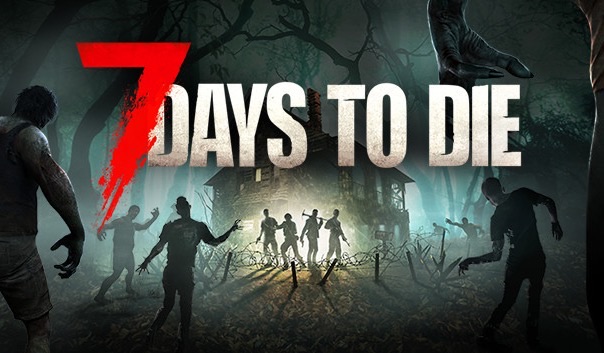
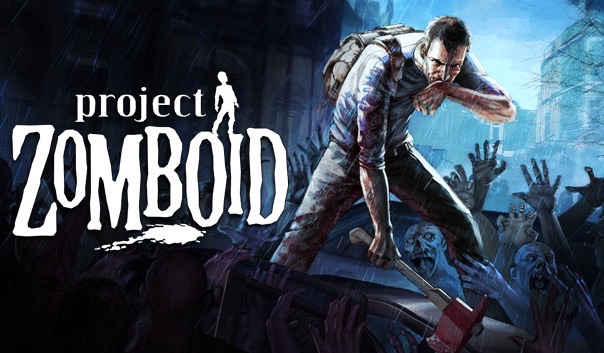
Both simulate zombie apocalypses, but they pull in different directions. 7 Days to Die is a voxel fortress builder where the blood-moon horde night is the relentless scorekeeper, rewarding first-person looting and tower-defense engineering. Project Zomboid is a slow-burn simulation where mood, nutrition, and noise are modeled and death is inevitable, only postponed. Choose 7 Days for adrenaline nights and structural base science; choose Zomboid for emergent last-stand storytelling and a county-scale sandbox with brutal learning curve.
Side-by-side Comparison
7 Days to DieProject Zomboidimportance
The Siege Night Versus the Slow Fall
The fork between these two zombie survival crafters is not about which is more realistic or more fun, but about what kind of dread you want to live with. In 7 Days to Die, the countdown to the seventh night is the engine of the whole loop. You dig, loot, and build, always aware that the blood moon will bring a horde that tests your fortress.
This is combat that has a schedule, a crescendo, and a clear verdict: the horde night keeps score. Project Zomboid offers no such punctuation. It simulates a mundane apocalypse where the world is a county-scale sandbox and death is guaranteed, only postponed. The threat is not a scheduled siege but the accumulated weight of exhaustion, depression, hunger, and noise.
Where 7 Days rewards structural-integrity base science, Zomboid tracks your character's emotional and physical state as a slow erosion. The tension, then, is between a game that gives you a dramatic deadline to prepare for and one that makes every quiet morning feel like borrowed time. Do you want your adrenaline spike on a timer, or do you want the quiet horror of a sunset you might not survive? That choice defines your apocalypse.
Choose 7 Days to Die If You Build to Fight
Seven Days to Die is for the player whose hand twitches toward a shovel and a nail gun. The voxel world is fully diggable, which turns base building into a three-dimensional engineering puzzle. You are not just placing walls; you are calculating structural integrity, designing kill corridors, and raising a fortress that can laugh at a blood-moon horde. The first-person looter tension keeps you scrounging for materials and schematics, and co-op horde nights are the high point: a few friends in a shared bunker, reinforcing a door as the ground shakes.
If you enjoy the crunch of resources, the slide of a sledgehammer into a zombie skull, and the satisfaction of a base that holds against an escalating attack, this is your sandbox. The learning curve is real, but it is a curve of engineering and tactics, not one of emotional endurance. A bad night in 7 Days is a breach in your wall; a good night is a pile of corpses and a reinforced perimeter.
You are building toward something concrete: a siege you can win, at least until the next dawn. That clarity, that measurable progress, is exactly why the sedge night feels like a reward.
Choose Project Zomboid If You Live to Survive
Project Zomboid is for the player who wants survival to feel like a simulation, not a game. It does not hand you a scoreboard or a weekly boss; it hands you a world where every decision has weight. Your character has moods, nutritional needs, and a noise footprint that can lure the dead from across the map. This is not about kiting zombies around a fortress; it is about spacing melee swings while fatigue makes your arms heavy.
The world is a county-scale sandbox, not a diggable toy, and the freedom to explore is the record leader here. But that freedom is also a trap: the more you explore, the more you risk. Death is not a failure state; it is the ending you are always writing, a story of how your survivor finally fell. In multiplayer, server towns brew sagas as players band together, split up, and betray each other, all under the same indifferent sun.
This is the 'mundane apocalypse' with a verisimilitude that makes each can of beans meaningful. The challenge is brutal and the learning curve is steep, but the reward is a rare sense of dread that you do not outsmart: you just postpone. If you want to feel every cough, every mood swing, and every dragged footstep as part of your own slow fall, this is the simulation that will haunt you.
Key facts, side by side
Playtime figures are community-reported estimates from HowLongToBeat (captured 2026-08-16), not main-story completion times.
Similar Games to Consider
Based on what you like in both games