The Messenger vs Sea of Stars: Sunset Edition
See how two games stack up across what matters most to you.
Short answer
The Messenger and Sea of Stars share a universe but move at different speeds. If you crave twitch-reflex platforming, a genre-twisting narrative, and speedrun-friendly design, start with The Messenger. If you prefer turn-based warmth, timed-hit combat, and a longer, softer journey with co-op options, Sea of Stars: Sunset Edition is your pace. Both are excellent; play in release order to see the universe unfold.
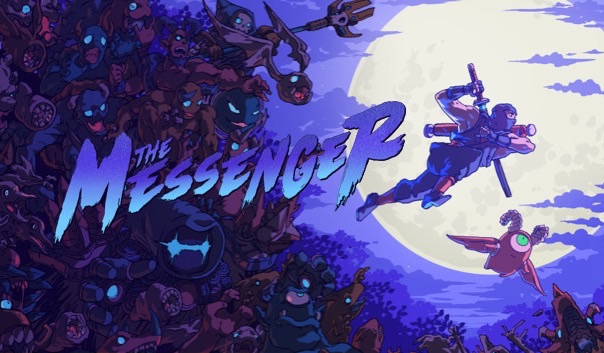
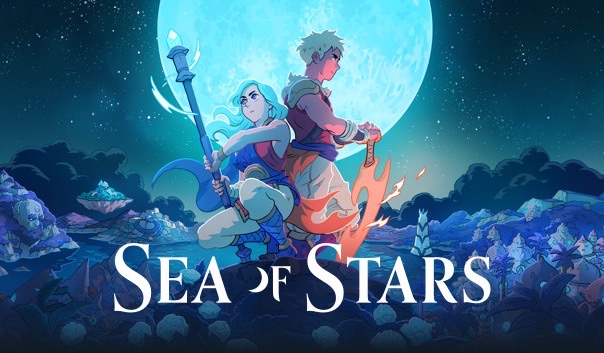
Side-by-side Comparison
The MessengerSea of Stars: Sunset Editionimportance
Two paces, one universe
Sabotage's twin timelines frame the same cosmos with contrasting verbs: The Messenger runs, Sea of Stars strolls. Where The Messenger is a kinetic duet of 8-bit and 16-bit eras, flipping between them as a core platforming mechanic, Sea of Stars paints its islands with best-in-class pixel lighting and invites you to linger.
The former is a prophecy that laughs back, a narrative that twists its genre mid-run; the latter is a mythic prequel that lands late-game gut punches. Combat depth stands as a draw: The Messenger's cloudstep sword flow demands precision, while Sea of Stars' timed hits and lock-breaking keep its turn-based battles engaging.
Yet their freedoms diverge—The Messenger's time-split map opens up exploration, whereas Sea of Stars' traversal puzzles thread a mostly guided path. Difficulty reflects this: The Messenger demands ninja-precise platforming, while Sea of Stars' Relics tune challenge in both directions. And while The Messenger is single-player only, Sea of Stars' Sunset Edition adds a couch co-op assist mode, altering the social texture. This is less a competition than a temperament test: one speeds, one savors.
For the swift and precise
Choose The Messenger if your fingers itch for cloudstep sword flow and your patience rewards precision. This is a game built on ninja-precise platforming, where every jump and dash must align with the beat of the 8-and-16-bit duet. The famous genre twist is not just a story beat—it reshapes the rules you've mastered, turning the game on its head and asking you to relearn your approach. The time-split map opens a freedom to explore that its guided counterpart lacks, inviting you to chart your own path through a world that responds to your timing.
Its single-player focus is a strength if you prefer solo journeys, and its shop-upgrade tree offers a measure of build variety, though not as deep as some RPGs. The challenge is a draw if you want a test of reflexes; the learning curve is steep but rewarding. And for those who chase leaderboards, the speedrun-friendly bones mean the game is designed to be broken apart and optimized. The Messenger is for players who want their action sharp, their narrative to laugh back, and their sessions to be active, twitchy, and full of movement.
For the warm and patient
Sea of Stars: Sunset Edition is your choice if you prefer turn-based warmth and a longer, softer journey. The timed-hit combat is charming—each lock broken feels like a small victory, and the Relics system lets you dial the challenge up or down, ensuring the experience stays comfortable. The mythic prequel narrative builds to late-game gut punches, rewarding those who invest in its world.
Its best-in-class pixel lighting sells every island, creating an immersion that's easy to sink into. The mostly guided path means you can focus on the story and combat without getting lost, though exploration is still there through traversal puzzles. The fixed cast offers modest combo variety, but the bonds between characters carry emotional weight. And with the Sunset update, you can share the journey via couch co-op assist mode—perfect for a relaxed evening with a friend.
If you want a game that lets you set the pace, that rewards timing without punishing imperfection, and that offers a complete, polished RPG experience, Sea of Stars is the softer landing. It's for players who want to stroll through a beautifully lit world, savoring each turn and each conversation.
Key facts, side by side
Playtime figures are community-reported estimates from HowLongToBeat (captured 2026-08-16), not main-story completion times.
Similar Games to Consider
Based on what you like in both games