Team Fortress 2 vs Overwatch®
See how two games stack up across what matters most to you.
Short answer
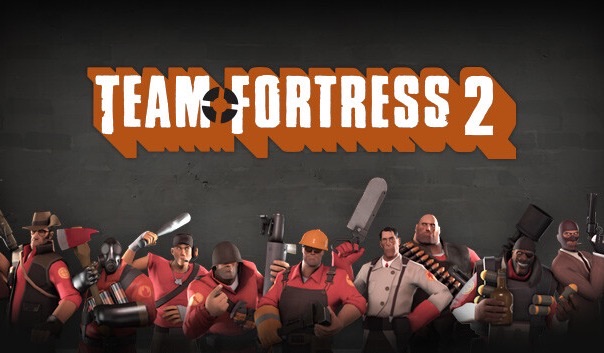
Team Fortress 2 and Overwatch 2 share a bloodline but diverged in structure. TF2 offers a timeless nine-class core, community servers, mods, and a free-forever model where hats are optional. Overwatch 2 delivers modern ability kits, polished role-queue competitive, and active seasonal support. Your choice hinges on whether you value a remixable, community-driven foundation or a structured, continually evolving competitive shooter.
Side-by-side Comparison
Team Fortress 2Overwatch®importance
Two Eras, One Genus
The comparison between Team Fortress 2 and Overwatch 2 has persisted since the latter's reveal, and for good reason: one game authored the grammar of hero shooters, the other rewrote it with modern syntax. Calling it a dynastic question captures how each title occupies a distinct moment in the genre's timeline.
TF2 remains the constitution—a fixed set of nine classes whose interactions still define the genre's vocabulary today. Overwatch 2 is the current government, actively legislating balance and content through seasons. The real tension lies in structural philosophy: TF2's systems are designed for permanence, while Overwatch 2's systems are designed for ongoing revision.
Players often frame this as a debate about which is more "correct," but the more practical lens examines what each structure offers. TF2 rewards mastery of a static toolkit with limitless expression through weapon loadouts. Overwatch 2 rewards adaptability, demanding that you read the meta and counter-swap. Neither approach is objectively superior, but they lead to very different daily experiences and skill ceilings.
When TF2's Constitution Calls
Players who find comfort in a stable, self-directed sandbox will gravitate toward Team Fortress 2. The nine-class design is a masterclass in eternal balance: each role has clear strengths and weaknesses, and the lack of a pressure to constantly switch means you can invest deeply in one class and still contribute. The weapon loadout system—where each class can equip different primaries, secondaries, and melees—turns build variety into a personal quest.
You can craft a rocket-jumping Soldier loadout, a Demoknight, or a Battle Medic, and each feels like a distinct playstyle within the same class. Beyond that, community servers and mod culture offer a level of experimentation that official games rarely match. Want to play dodgeball with rockets? There's a server for that. TF2 also remains free forever, and the famous hats are entirely optional, so the barrier to entry is zero.
But the true draw is the freedom to define your own goals, whether that's polishing a perfect ambassador headshot or leading a pub team with a well-timed ÜberCharge. If you value durable mechanics and a living ecosystem driven by players, TF2 is a wellspring of endless variation.
When Overwatch® Sets the Agenda
For those who thrive in a structured, ever-evolving competitive environment, Overwatch 2 is the clear choice. Its modern ability kits are designed for synergy and counterplay, and the game's identity is built around team composition as a living puzzle. Role-queue competitive imposes a clear framework, letting you focus on mastering a specific role while trusting teammates to fill others.
The active seasonal support means you're never stuck in a stale meta; new heroes, maps, and balance patches keep the ecosystem fresh and the theorycrafting community buzzing. Overwatch 2 rewards game sense in a way that feels more deliberate: ult economy, positioning, and counter-swapping are as important as raw aim. The depth of co-op is unmatched—team synergy isn't just helpful; it's the core mechanic.
If you enjoy the chess-like aspect of hero shooters, where each match is a test of adaptability and communication, Overwatch 2 provides that challenge with constant reinforcement. The polish of the modern engine also delivers a buttery smooth experience, and the seasonal events give you something to chase beyond the ladder. This is a game for players who want their shooter to feel alive, evolving, and tightly designed.
Key facts, side by side
Playtime figures are community-reported estimates from HowLongToBeat (captured 2026-08-16), not main-story completion times.
Similar Games to Consider
Based on what you like in both games