Red Dead Redemption 2 vs The Witcher 3: Wild Hunt
See how two games stack up across what matters most to you.
Short answer
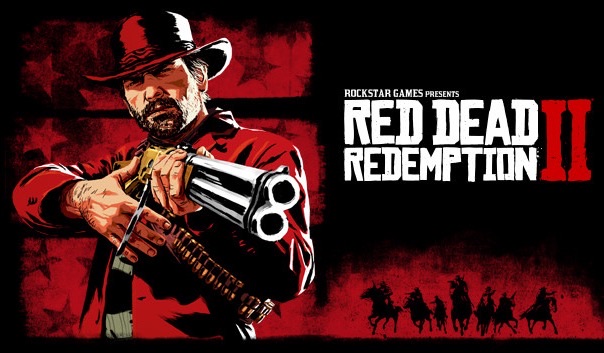
Both games are celebrated for their open-world storytelling, but they deliver it in opposite ways. Red Dead Redemption 2 is a deep, slow-burning simulation that immerses you in a living, breathing frontier, where the quiet moments and Arthur's personal arc are the focus. The Witcher 3 is a masterclass of quest writing, offering branching narratives and moral ambiguity, with a rich RPG system underneath. Choose RDR2 if you want to inhabit a place; choose Witcher 3 if you want a series of compelling stories to shape.
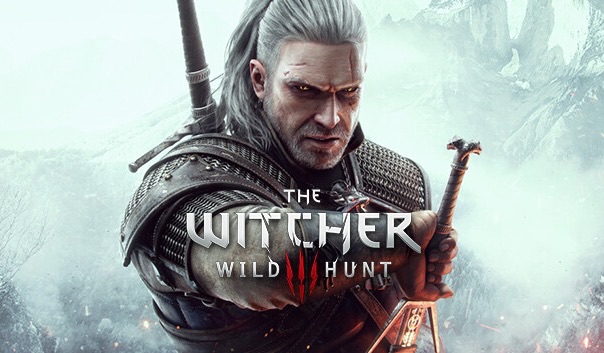
Side-by-side Comparison
Red Dead Redemption 2The Witcher 3: Wild Huntimportance
The Deep Place vs. The Rich Anthology
The real distinction between these two giants is not quality but intention. Red Dead Redemption 2 builds a world that insists on its own physicality: five distinct ecosystems are crammed with emergent encounters, and the simulation never lets you forget the weight of every action, from skinning an animal to the slow drag of a wagon.
Its story is a single long elegy, told with deliberate pacing, anchored by Arthur Morgan, the best-written protagonist Rockstar has produced. The Witcher 3, by contrast, is an anthology of quests, each one branching in ways that make the 'right' choice feel impossible. Its two large landmasses are dense with question marks, but the real density is in the writing: every contract, every favor, unfolds with moral complexity.
Where RDR2 asks you to live in its world for hundreds of hours, Witcher 3 asks you to step into a new story every hour. This is not about which is better; it is a trade-off between inhabiting a place and exploring a series of narratives. Your patience for slow-burn simulation versus your appetite for quest-craft mastery will determine which world feels like home.
When the Frontier's Quiet Moments Call
Choose Red Dead Redemption 2 if your idea of immersion is a world that operates independent of your presence, where the frontier feels alive even when you are just riding through it. The simulation-grade attention to detail—the way animals behave, the weather shifts, the routines of NPCs—creates a sense of place that is unmatched. You are not chasing a checklist; you are absorbing the atmosphere.
The game's friction is in its pacing, not its challenge: it is forgiving in combat but demands patience in its slow-burn storytelling. If you want one long, tragic arc, told with the weight of a novel, and you find beauty in the quiet moments, such as watching a sunset from a ridge or maintaining your camp, then Arthur's journey will resonate. The loadouts and camp upgrades give you a sense of progression, but the real progression is in your connection to the world. This is a game for players who want to lose themselves in a living, breathing place, and who are willing to let that place dictate the speed of their experience.
When Quest Craft and Choice Matter Most
Choose The Witcher 3 if you value the story behind every activity, not just the main saga. The game's branching quests are its beating heart, where even a simple monster hunt can spiral into a moral dilemma with no clean answer. This is where the narrative depth truly shines: the choices you make have consequences, and the game rarely pats you on the back for picking the 'good' option. Underneath that narrative is a proper RPG system—signs, alchemy, and mutagen builds that diverge meaningfully and give you a reason to experiment beyond the swordplay.
The combat loop is serviceable, but it serves the varied encounters: you might face a terrifying beast one hour and a political conspiracy the next, and the game's two game landmasses are dense with question marks that are almost always worth chasing. If you want a game that respects your time with tight, morally ambiguous quests and gives you the tools to shape your Geralt, then the Witcher 3 offers an anthology that can be savored in shorter bursts.
Its challenge curve is front-loaded, but once your alchemy and build come online, it becomes a power fantasy that rewards system mastery. This is for players who want their open world to be a series of stories, each one gripping.
Key facts, side by side
Playtime figures are community-reported estimates from HowLongToBeat (captured 2026-08-16), not main-story completion times.
Similar Games to Consider
Based on what you like in both games