Hades vs Hades II
See how two games stack up across what matters most to you.
Short answer
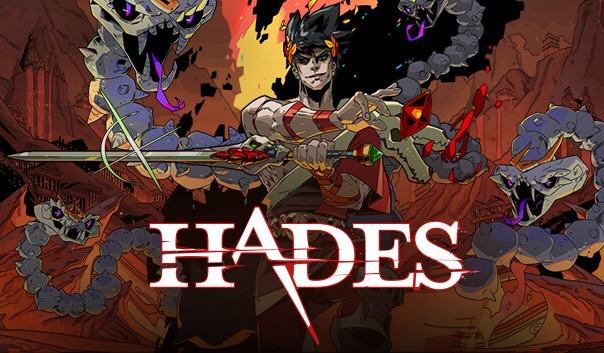
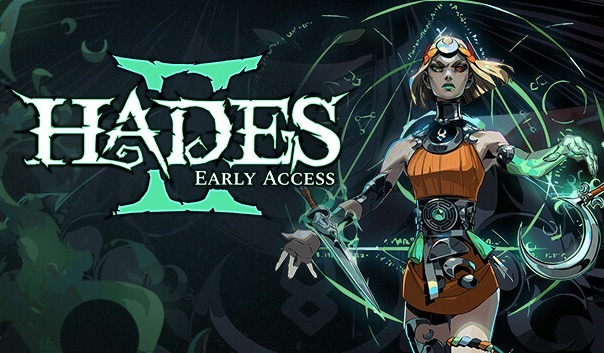
Hades is the tightest, most complete roguelike narrative ever made, with a clean arc and no systems overhead. Hades II expands everything: two route structures, magick management, and richer buildcraft. If you want the genre's best-paced story, start with Hades. If you've finished it and crave a larger machine, or if you prefer more complex combat and build variety, go to Hades II. They're both masterclasses, but they hit different notes.
Side-by-side Comparison
HadesHades IIimportance
The Art of the Arc vs. the Love of the Machine
Pitting Hades against Hades II is really a question of what you want from a run. The original is a perfectly tuned instrument: six weapon aspects, god boons that sing in synergy, and a death loop that doubles as a narrative engine. Each escape attempt tightens the story's screw, and the whole thing lands with a clean, complete arc.
Hades II is a bigger contraption by design. It keeps the painterly underworld and Darren Korb's score, but adds a second route, magick management, omega moves, and arcana cards. The runs are still structured, not freeform, but the combinatorial space is wider. The bosses demand more pattern mastery, though the adjustable God Mode still softens the curve.
Where the original is a focused duet, Hades II is a chamber orchestra. Neither is objectively better; they're just different scales of ambition. The first is a masterclass in restraint; the second, a masterclass in expansion. Choosing between them is really choosing whether you want a perfectly told story or a deeper system to lose yourself in.
Start Here: For the Clean Slate of Zagreus' Escape
Hades is the right starting point if you want a story that unfolds with the inevitability of a well-worn myth. Every death feeds the narrative engine, and the pacing of Zagreus's escape arc is the genre's best. You get the reference point for roguelike storytelling without any systems overhead. The combat is deep—six weapon aspects, boons, keepsakes, and pact settings create enormous run-to-run variety—but it's also legible.
You can learn the formula at its simplest before layering on complications. The single route with branching chambers keeps the structure tight, and the difficulty curve, powered by Heat modifiers and a God Mode off-switch, means you can scale up as you master the patterns. There's no second route or magick gauge to juggle, just the pure loop of escape, death, and conversation back at the House.
The world immersion is all there: the painterly biomes, Korb's score, and the mythic texture. If you want the cleanest, most complete version of what Supergiant does, Hades is where you begin. Veterans who want to see how the story beats hit without extra systems will also find its economy satisfying.
Move On: When You Want the Bigger Machine
Hades II is for you if you've already climbed that first mountain and want to see the view from higher up. The sequel takes the formula and pulls it apart to find new places to go. You get two full route structures, each with branching chambers, and a very different protagonist. Magick management and omega moves add a new layer to combat, layering onto the existing weapon aspects and god boons to create deep, expressive buildcraft.
The arcana cards introduce another axis of customization, so run-to-run variety is enormous. The narrative is just as integrated—between-run dialogue with a huge cast advances a real plot—and the mythic texture is just as memorable, with the painterly art and Korb's score doing their usual heavy lifting. Bosses are tougher, but the adjustable God Mode keeps the curve from becoming a wall.
If you're the kind of player who finishes Hades and immediately asks for more, Hades II is the answer. It's a more complex, more demanding, but also more ambitious toy. Newcomers who enjoy complexity right out of the gate can also dive in, but the deeper systems might obscure the pure story that the original tells so well.
Key facts, side by side
Playtime figures are community-reported estimates from HowLongToBeat (captured 2026-08-16), not main-story completion times.
Similar Games to Consider
Based on what you like in both games