Goat Simulator 3 vs Goat Simulator
See how two games stack up across what matters most to you.
Short answer
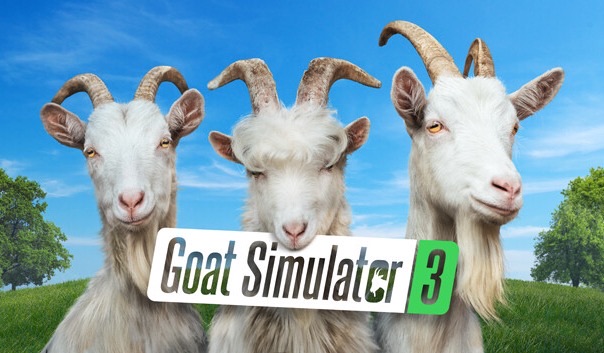
Goat Simulator 3 expands the original's chaos into a scripted island with four-goat co-op, modern event density, and parody quest lines, making it a theme park of gags. The original remains the meme artifact: purer, jankier physics, proud lack of narrative, and a pocket-money price. Choose 3 for curated multiplayer mayhem and a bigger sandbox; choose the original for authentic, broken-physics charm and a low-cost trip back to the crime scene.
Side-by-side Comparison
Goat Simulator 3Goat Simulatorimportance
Theme Park vs. Crime Scene
The core of this comparison is captured by the bottom line: Goat Simulator 3 is a theme park, while the original is a crime scene. The sequel is carefully designed to deliver curated chaos—a bigger, scripted island where every corner hides a parody quest-line or a modern event burst, rewarding curiosity with the kind of deliberate gags you'd expect from a polished sandbox.
Its world immersion comes from being a 'theme park of gags,' where failure is content and the environment itself seems built to produce laughs on demand. The original, in contrast, is the authentic bug—a proudly janky artifact whose charm lives in its broken, unpolished physics. It doesn't aim for immersion as much as for the raw, unpredictable slapstick that emerges from its own rough edges.
The question is whether you want your chaos orchestrated—events firing off at a density tuned for maximum entertainment—or unscripted, where the fun is discovering just how far the game's own inconsistencies let you break the map. That distinction colors everything else: co-op size, exploration, and even how the game treats its own narrative void.
Choose Goat Simulator 3 for the Full Ensemble
Goat Simulator 3 is the choice when you want the chaos to be shared and deliberately staged. It brings four-goat online co-op, which multiplies the anarchy in ways the original's local split-screen cannot match. The island is a bigger, more scripted sandbox—a place 'full of secrets' that rewards curiosity with gags placed at a modern event density, meaning something's always happening. The parody quest-lines give a loose structure that the original lacks, without ever demanding narrative investment; they're just another way to trip into funny situations.
If you value world immersion as a 'theme park of gags,' this is where the sequel shines: the island feels designed to keep you laughing, with more event triggers per square meter. The gear mutators change your verbs, letting you alter how you interact with the world, something the original's mutator powers also did but with less variety in the verbs themselves. Ultimately, Goat Simulator 3 is for players who want a polished, co-op-forward sandbox that feels like a curated comedy show—where the jank is intentional, and the scale is bigger.
Choose the Original for the Pure Artifact
The original Goat Simulator is the pick when you want the authentic bug. It's a meme artifact—a piece of gaming history that became famous for its janky physics and proud lack of narrative. There's no story to distract you; you just headbutt your way through a breakable suburbia, using the game's own rough edges as your playmate. The physics are purer and jankier, offering a raw, unpolished brand of chaos that the sequel's curated design can't fully replicate.
If you're drawn to 'deliberate jank charm,' this is the game that started it all. It's also a pocket-money price point, making it a low-cost experiment for the curious. The exploration freedom lies in how you can break the map—its limitations become features. The original is for players who prefer their humor less scripted and more emergent, who find joy in the accidental and the unplanned.
It's a sandbox where failure is content, but the content is your own. If you want to understand the meme, or if you simply enjoy the rough, unpredictable energy of a game that doesn't care about polish, this is your goat.
Key facts, side by side
Playtime figures are community-reported estimates from HowLongToBeat (captured 2026-08-16), not main-story completion times.
Similar Games to Consider
Based on what you like in both games