Astalon: Tears of the Earth vs La-Mulana
See how two games stack up across what matters most to you.
Short answer
Astalon: Tears of the Earth turns death into a bargaining chip, letting you upgrade through loops and switch among three heroes to solve the tower's puzzles. It's demanding but fair. La-Mulana, by contrast, is a legendary ordeal: its riddles demand a notebook, its traps are infamous, and its difficulty is unrelenting. Choose Astalon for a kinder retro challenge with combat depth and build variety; choose La-Mulana if you crave the genre's cruelest puzzles and an immersive ancient ruin that lies as often as it guides.
Side-by-side Comparison
Astalon: Tears of the EarthLa-Mulanaimportance
Two towers, two mercies
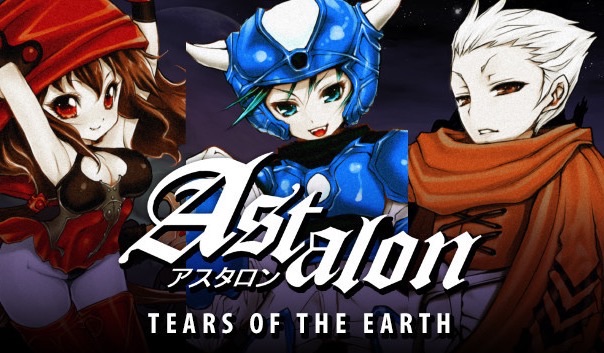
Both games are retro-styled puzzle-tower metroidvanias, but they treat death as opposites. Astalon: Tears of the Earth negotiates with it. Every loop lets you spend your gains at the Titan shop, turning failure into a series of upgrades and new routes. The tower is layered by character: each of the three heroes unlocks different paths, so even a fatal run reshapes your next attempt.
La-Mulana does not negotiate. It simply kills you, then expects you to re-enter its ruins with a notebook full of cryptic glyphs and a tolerance for traps that have become legendary. Its exploration opens wide and lies often, rewarding only the most stubborn decoding. The decisional tension here is not about which is 'more challenging'—both are hard—but about what difficulty is for.
Astalon's steepness is a structural bargain: you lose, you learn, you buy a better start. La-Mulana's steepness is a curriculum: the game assumes you will suffer, record, and eventually decipher. One tower is a grind that becomes part of the design; the other is an archaeological trial that makes no apology.
Choose Astalon for a kinder death
Astalon: Tears of the Earth is for those who want retro difficulty with a safety net of progress. Its death-loop is a deliberate design, turning each failure into currency for the Titan shop, so you can buy upgrades that gradually tilt the tower in your favor. The three-hero system—each with a distinct kit—creates route puzzles that feel like swapping tools rather than memorizing lore. Combat has more depth than its NES-palette apocalypse suggests: switching between the three heroes mid-run allows for creative combinations, and the build variety from the Titan shop means you shape your own power curve.
If you appreciated the idea of a hard metroidvania but bristled at the cruelty of old-school design, Astalon offers a gentler entry point. Its challenge is real but fair, rewarding perseverance with tangible bargains. The tower's character-gated layers give you clear goals: each new hero opens previously blocked doors, so exploration feels guided even when you're stuck. This is the right choice if you want to die, learn, and literally buy your way back into the fight.
Choose La-Mulana for the cruelest riddle
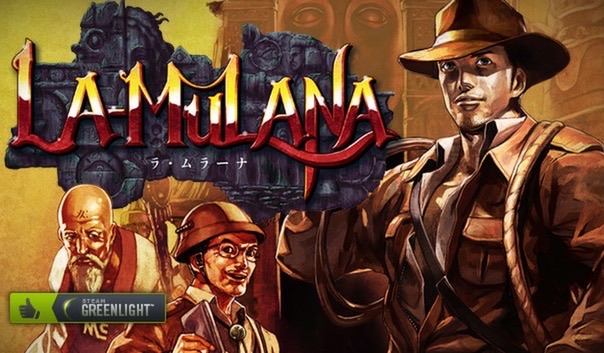
La-Mulana is for the player who sees a puzzle and does not want a hint button. Its reputation is built on merciless design: traps that punish the careless, riddles that require a full notebook, and an overall difficulty that is legendary in the genre. The ruins open wide and often lie, meaning the freedom to explore is matched by the game's willingness to deceive you. Combat is stiff and deliberate—the whip demands precision—but the real challenge is mental.
Every inscription, every hieroglyph, every subtle environmental clue is a piece of a layered myth that rewards decoding. If you are the kind of player who enjoys keeping your own records, drawing maps, and feeling genuine triumph when a solution clicks after hours of dead ends, La-Mulana offers that scholarly cruelty in abundance. Its world immersion is deep, with ancient-ruin dread done right.
The game does not hold your hand, and it does not care if you break a sweat. It's the choice for those who want the genre's most demanding archaeology, where the answer is earned not through upgrades but through intellect and perseverance.
Key facts, side by side
Playtime figures are community-reported estimates from HowLongToBeat (captured 2026-08-16), not main-story completion times.
Similar Games to Consider
Based on what you like in both games