Games like Wartales
Discover new adventures that match what you love.
TacticsRPGOpen WorldCo-op
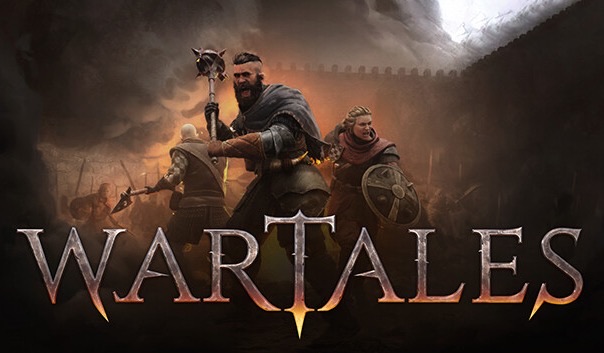
A mercenary company as a way of life: Wartales marches your band across an open medieval world where contracts, captives and cheese-smuggling all pay wages, and turn-based battles reward formation craft over heroics. Battle Brothers' fantasy answered with French polish.
Similar-game research
In Wartales, you lead a band of mercenaries across a medieval open world, recruiting companions, collecting bounties, and uncovering ancient tombs. Compared to similar games, these titles may shift to real-time or card-based combat, procedurally generated maps, or deeper base-building mechanics.
Length:Sort by:
The Iron Oath
TacticsRPGStrategyPublic similarity
- Why it's similar
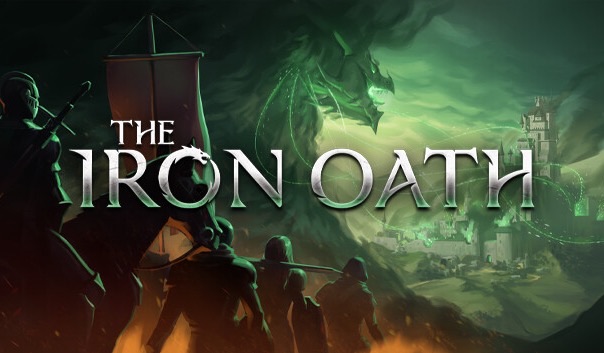
- You recruit and customize specialists, then send them on missions; completing contracts earns gold and renown to upgrade guild facilities. Each expedition balances party safety against long-term growth.
- Choose it when
- You'd rather navigate a faction-driven map with shifting opportunities than a fixed world, and accept mission-based progression over free exploration.
- But
- The map shifts as noble houses rise and fall, changing which cities offer contracts and where danger lurks. Character growth ties into choices that alter faction relations, so you plan around an evolving political landscape rather than a static world.
Urtuk: The Desolation
TacticsRPGRoguelikePublic similarity
- Why it's similar
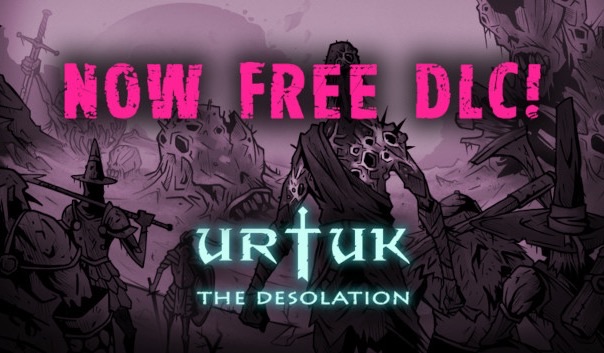
- You guide a band through a ruined world, recruiting followers and looting corpses; in turn-based battles you use terrain to shove foes into spikes or off cliffs, then extract skills and traits from fallen enemies to empower your units.
- Choose it when
- You're ready to experiment with different party builds on a changing map and prefer stealing powers from enemies; you don't need a handcrafted story.
- But
- Battle maps are larger and hazard-heavy, with more environmental kills, and character upgrades come directly from extracting enemy abilities rather than standard leveling. The campaign is procedurally generated, so each run offers a different route and enemy mix.
Mordheim: City of the Damned
TacticsRPGAtmosphericPublic similarity
- Why it's similar
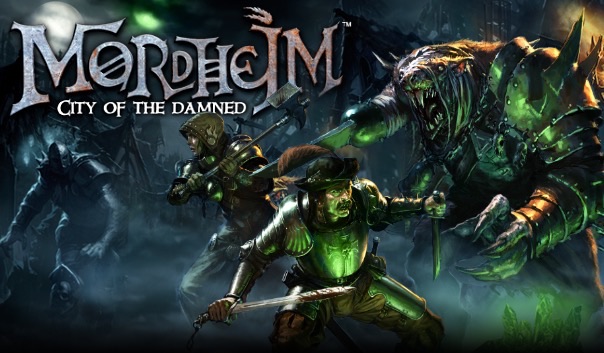
- You deploy warbands across ruined city blocks, using buildings and street layouts to set ambushes; turn-based combat carries permanent death, so a fallen unit is gone forever. You customize each fighter's gear and skills before battling for valuable resources.
- Choose it when
- You'll invest time in managing a persistent warband across procedurally generated missions, and you accept that character death is permanent and progression resets on failure.
- But
- Combat leans harder into terrain interaction, like using elevated positions and choke points; losses are permanent, so you plan knowing a death is unrecoverable. The economy centers on a specific resource, Wyrdstone, rather than general gold.
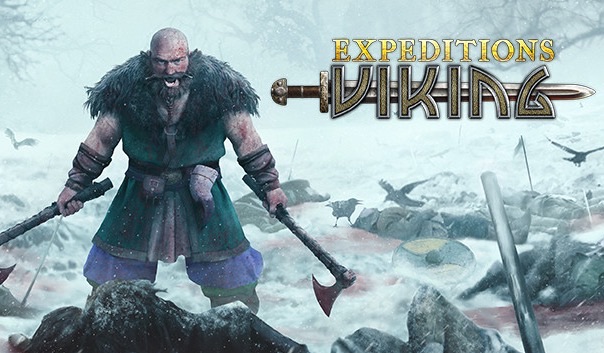
Expeditions: Viking
TacticsRPGChoicesPublic similarity
- Why it's similar
- You start by building up a village, recruiting warriors and constructing a ship; on voyages you choose between raiding or trading. Combat is turn-based with party management, and your decisions shape renown and faction standings.
- Choose it when
- You're more invested in village development and historical storytelling, and you're willing to use trade and diplomacy instead of constant raiding; you want choices to affect your legacy.
- But
- Base building is more involved, as village prosperity unlocks resources and missions; the narrative is historically grounded with branching choices involving factions like Picts and Angles. Combat uses period-accurate weapons and tactics rather than fantasy elements.
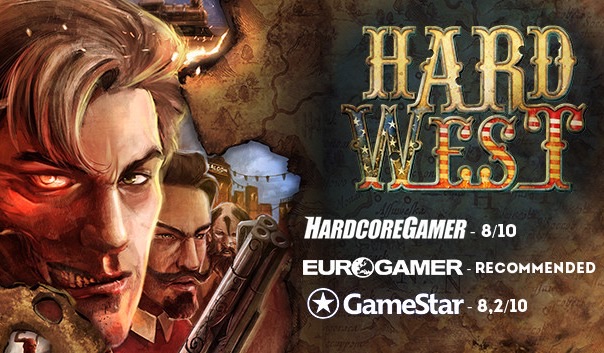
Hard West
TacticsStrategyAtmosphericPublic similarity
- Why it's similar
- You lead a squad of 1-4, using cover and the environment—like ricocheting bullets off metal—to win turn-based firefights; outside combat you collect ability cards through exploration, bartering, and objectives, then combine them for new powers.
- Choose it when
- You prefer tight, tactical gunfights using ricochets and shadows over large-scale squad management, and you're fine with a mission-based narrative.
- But
- Battle maps are smaller and mission-driven, with cover and shadow mechanics dictating positioning; the card system replaces traditional skill trees, so growth comes from collection and combos rather than leveling. The story is a linear campaign with branching endings, not an open world.