Games like Unpacking
Discover new adventures that match what you love.
EmotionalPuzzleRelaxingSingle Player
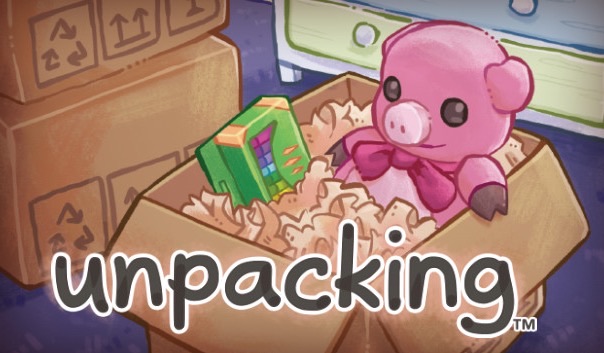
Eight moves, one life, zero words: Unpacking tells a whole biography through where the mug goes and which diploma stays boxed. The zen of placing objects hides a narrative scalpel - one bedroom, in one devastating move, says more than most scripts manage in ten hours.
Similar-game research
In Unpacking, you pull possessions from boxes and fit them into new homes, reading an untold life through object placement. The games below shift that act: one adds daily tidy puzzles, another swaps unpacking for botanical research, another replaces arrangement with photography, another uses cooking to tell a story, another offers free-form building without goals, and another lets you paint the world.
Length:Sort by:
A Little to the Left
CutePuzzleRelaxingPublic similarity
- Why it's similar
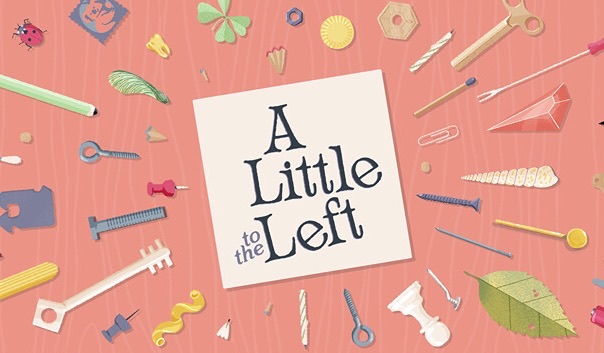
- You drag scattered items into pleasing arrangements to tidy a desk or shelf, relying on visual logic rather than timers or scores, mirroring the same fitting-and-placing loop as unpacking boxes. Both reward making objects sit just right.
- Choose it when
- You want to solve one focused tidy puzzle per sitting without following a long story, and you accept abstract arrangement challenges over living-space context.
- But
- Puzzles come from isolated daily messes instead of a progressing household move, with multiple solutions and skip options, plus a new specific puzzle every day and seasonal themes. Your progression is per-puzzle, not an eight-move narrative arc.
Botany Manor
CutePuzzleRelaxingPublic similarity
- Why it's similar
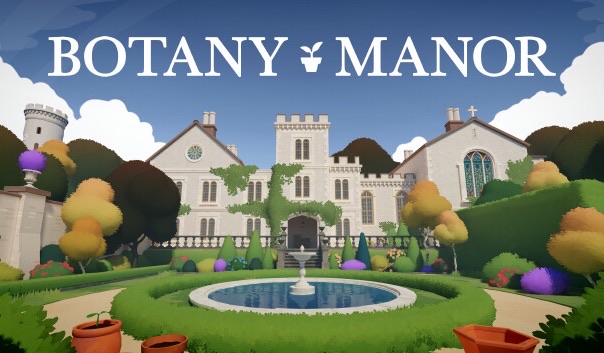
- You explore a manor, gathering clues from books and letters, then place each plant in just the right room and conditions to help it thrive, matching the spatial fitting of arranging items in a home. Both involve reading an environment to decide where things go.
- Choose it when
- You prefer a slower pace where you research and nurture plants across a mansion, trading rapid-fire arrangement for deduction and environmental storytelling.
- But
- Switching to first-person exploration means you walk through rooms and gardens instead of viewing boxes from above. Your goal shifts from organizing to cultivating, and each puzzle requires synthesizing habitat factors while the house reveals a botanist's career, not a mover's life.
TOEM: A Photo Adventure
CuteAdventureRelaxingPublic similarity
- Why it's similar
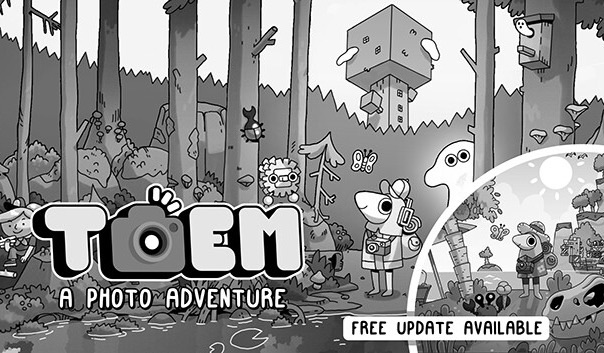
- You move through hand-drawn areas, speak with residents, and frame shots to capture what they ask, reading each scene carefully to find the right subject and angle, just as you read rooms to decide where each object belongs. Both are about fitting your action to the environment.
- Choose it when
- Spend more time wandering across hand-drawn landscapes to snap photos for quirky characters, accepting less time sorting items room by room and more time in open-ended exploration and conversation.
- But
- Instead of dragging objects, you line up a camera and press the shutter; puzzles are about finding and framing rather than spatial packing. The game opens into multiple connected zones with many characters and errands, whereas Unpacking confines you to eight interior moves.

Venba
EmotionalNarrativeStory RichPublic similarity
- Why it's similar
- You piece together a damaged recipe book, combining ingredients and cookware in a step-by-step sequence to prepare dishes, sharing the satisfaction of fitting elements into an orderly whole that Unpacking gives when you slot objects into a room.
- Choose it when
- You have a short block of time and want a self-contained story, prioritizing character moments and recipe puzzles over extensive spatial arrangement.
- But
- Your main action is cooking rather than unpacking, with narrative branching conversations and a tighter one-to-two-hour session. The story focuses on an immigrant family's life through meals, not a silent progression of eight moves, making each session a complete vignette.
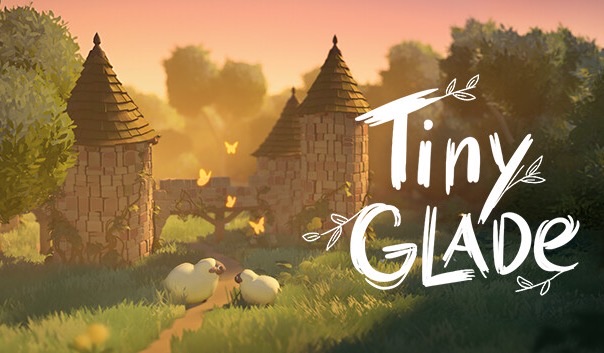
Tiny Glade
CuteSandboxRelaxingPublic similarity
- Why it's similar
- You place walls and paths on a meadow and watch structures adapt with doors and supports, prefer the same trial-and-error fitting that Unpacking brings when you shift a lamp to see if it looks right. Both are about arranging elements spatially.
- Choose it when
- Those who value free-form construction over following a storyline will invest time in designing gridless dioramas with adaptive detail, accepting less narrative puzzle-solving and linear home-by-home progression.
- But
- Building is gridless and free-form with no goals, failure, or storyline; you can erase and redraw endlessly. Unlike unpacking objects with defined categories, you invent layouts from scratch, without eight moves of a life story.