Games like Street Fighter™ 6
Discover new adventures that match what you love.
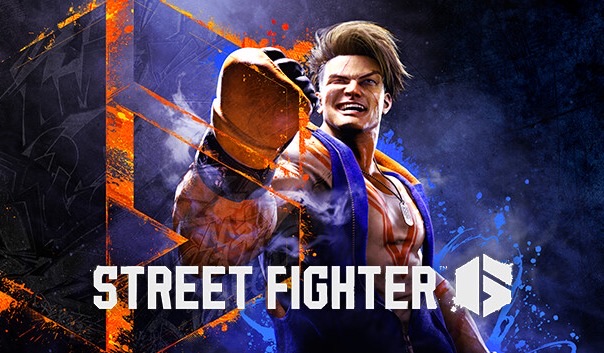
The most complete fighting game package ever shipped: World Tour teaches genuine fundamentals inside an open-world story, Modern controls open the door, and the Drive system underneath is Capcom's best neutral in decades. Ranked is thriving; the dojo has never been this welcoming.
Similar-game research
Street Fighter 6 is unusual because Modern controls let newcomers act first, World Tour slips fundamentals into a story, and the Drive system leaves a lot to learn about neutral, pressure, and resources. These games all offer the feel of a fight, but some trade it for 3D space and long combos while others turn one-on-one into large brawls or team coordination.
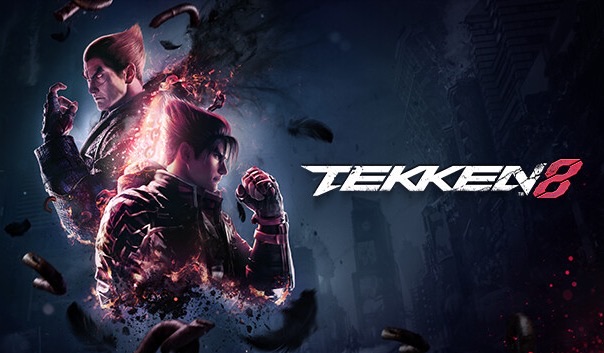
TEKKEN 8
PvPCompetitiveAction- Why it's similar
- It is still a one-on-one game of reading people, finding openings, and taking a combo into training mode until it is reliable. Tekken 8's Heat system actively pushes both players forward, while wake-ups, sidesteps, and wall pressure can suddenly accelerate a round.
- Choose it when
- Choose it when you want to keep playing ranked and studying a character, but want a more spatial fight, longer combos, and fiercer offense.
- But
- This is 3D fighting: lateral movement can evade attacks, and launches, juggles, and wall situations take up a large share of the game. It lacks Street Fighter 6's Drive economy and World Tour-style beginner path, with a more offense-first pace.
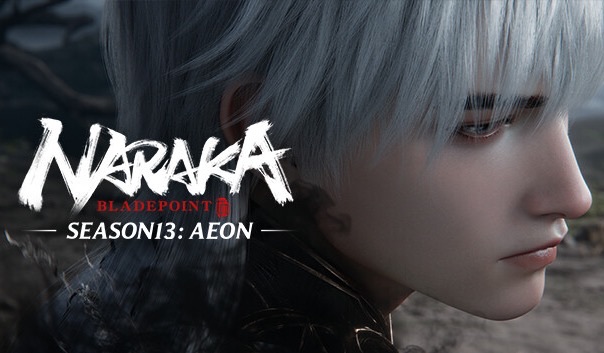
NARAKA: BLADEPOINT
PvPCompetitiveAction- Why it's similar
- The rock-paper-scissors of charged attacks, normal strikes, and parries, plus grappling-hook movement and wall running, makes every melee exchange depend on live judgment. Players who enjoy thinking they have read the next move in Street Fighter 6 can find a similar thrill in its blade standoffs.
- Choose it when
- Try it when you want to take melee mind games from an arena into a huge world of grapples and wall runs, and can accept more unpredictable encounters and multiplayer pressure.
- But
- This is a wuxia battle royale for up to 60 players. A fight is no longer a clean one-on-one; terrain, loot, and third parties can rewrite the result at any moment. It has no fixed rounds or frame-practice rhythm, and the chaos is part of the appeal.
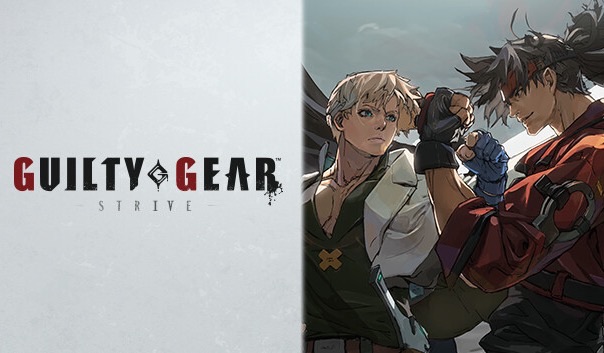
GUILTY GEAR -STRIVE-
PvPCompetitiveAction- Why it's similar
- You can still learn spacing, pressure, and resource use through matches, but Roman Cancels turn a hit or even a whiff into a chance to reshape offense. Wall breaks reset the flow of a whole sequence, giving each round a distinct drama.
- Choose it when
- Pick it when you already enjoy fighting games' back-and-forth probing and want a 2D fighter with animation-like visuals and freer ways to spend resources.
- But
- Its moves are larger, its pace more explosive, and character distances more extreme. Fundamentals from Street Fighter 6 transfer, but cannot simply be copied. There is no open-world tutorial path; more has to be absorbed through training and matches.
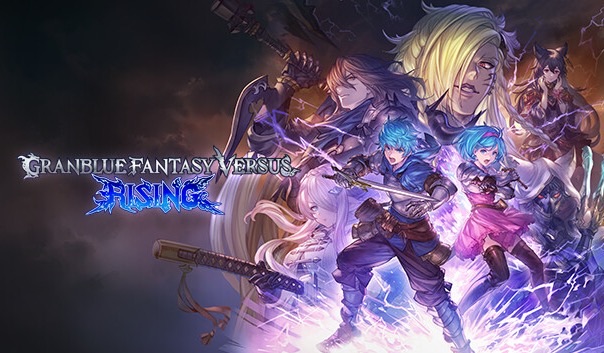
Granblue Fantasy Versus: Rising
PvPActionCompetitive- Why it's similar
- One-button specials let you focus on range, timing, and defense first, while Bravery Points create real late-round decisions about whether to gamble. It also welcomes people who want to learn fighting games without complex inputs blocking the door.
- Choose it when
- Choose it when Modern controls are what made Street Fighter 6 approachable and you want another game that is easy to start with friends but does not run out of depth immediately.
- But
- Its matches are more traditional and restrained, without Street Fighter 6's Drive system or World Tour city. Friendly inputs and character art invite you in, then frame data and risk still ask to be understood.
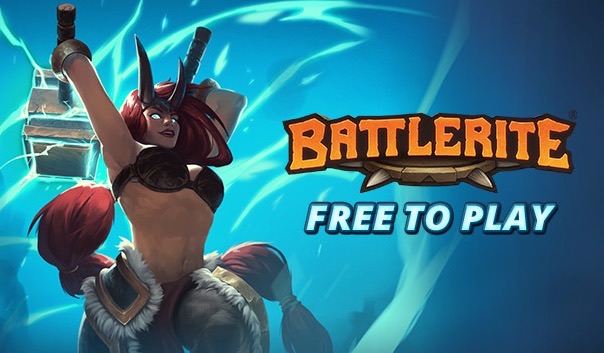
Battlerite
PvPCompetitiveAction- Why it's similar
- There are no lanes or farming; a 2v2 or 3v3 skill fight begins immediately. Every aimed attack, shield, and heal has to be placed by hand, and reading enemy cooldowns or creating a window for a teammate feels as direct as finding an opening in a fighter.
- Choose it when
- Try it if live prediction and reactions are what you enjoy most, but you want to coordinate with friends on one team instead of taking turns in one-on-one matches.
- But
- It trades one-on-one character games for team coordination, so you watch both sides' positions and cooldowns at once. It has neither traditional fighting-game combo flow nor defensive-button logic; wins more often come from two or three people linking a skill cycle well.
Shortlists for these games
Each of these has a researched page of its own.