Games like Salt and Sanctuary
Discover new adventures that match what you love.
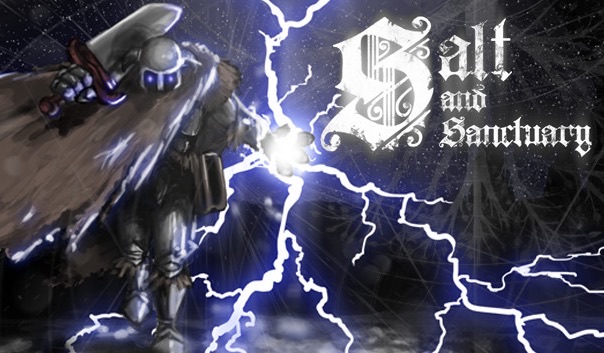
MetroidvaniaActionRPGSingle Player
The first great 2D Souls translation: stat builds, stamina combat and creeds on a drowned island that interconnects like a paper Lordran. A decade on, still the benchmark for grim 2D buildcraft exploration.
Similar-game research
In Salt and Sanctuary, you control a shipwrecked sailor exploring a cursed island of forgotten cities and blood-soaked dungeons, using swords, armor, and spells to fight fallen lords. The picks below shift that formula toward non-linear levels with precise parries, companion-based combat, environmental element tactics, or procedurally assembled maps.
Length:Sort by:
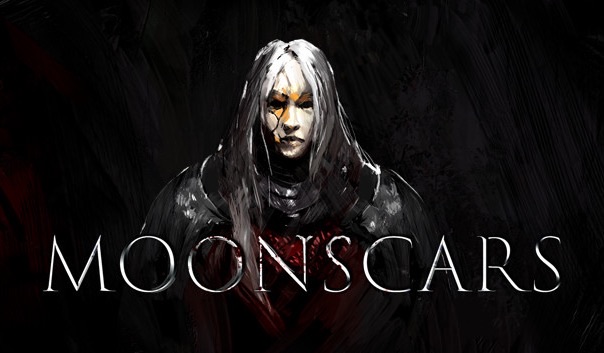
Moonscars
MetroidvaniaActionAtmosphericPublic similarity
- Why it's similar
- Swiping a sword and landing parries, you retry the same non-linear stretch after each death until enemy timing is memorized; respawning at a checkpoint, you apply that lesson to the next push forward.
- Choose it when
- Prefer to master one fight through repeated attempts rather than manage a large inventory of equipment upgrades; accept respawning at checkpoints and let each revelation of the story be earned through combat proficiency.
- But
- Hand-drawn maps become a painted style where exploration relies more on reading the layout than recalling fixed shortcuts; combat gains special weapons and Witchery, replacing Salt's gear upgrades, so each fight hinges on swapping moves rather than growing stats.
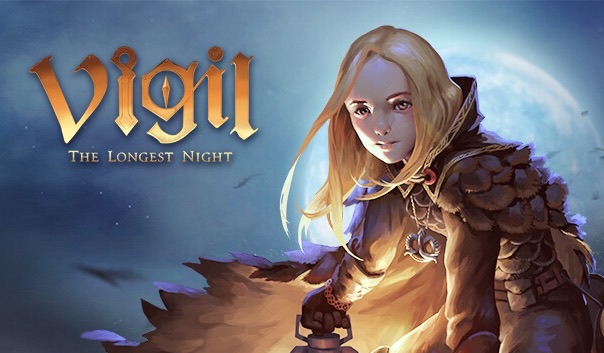
Vigil: The Longest Night
MetroidvaniaActionAtmosphericPublic similarity
- Why it's similar
- Advancing through side-scrolling maps, you fight with swords, axes, daggers, or bows while reinforcing gear through forging and enchanting; protecting a town, you balance exploring new zones against returning to restock supplies.
- Choose it when
- Ready to invest hours grinding equipment and enchantments, prefer traveling between multiple maps to gather materials, and prefer clearer quest direction over a single cryptic path—sacrificing Salt's focused interconnected world for more varied but segmented areas.
- But
- The world splits into multiple towns and dungeons, making exploration a series of distinct hubs rather than one interconnected kingdom; the arsenal expands to include bows and unarmed styles with specific moves, so combat specialization branches earlier than Salt's upgrade-based builds.
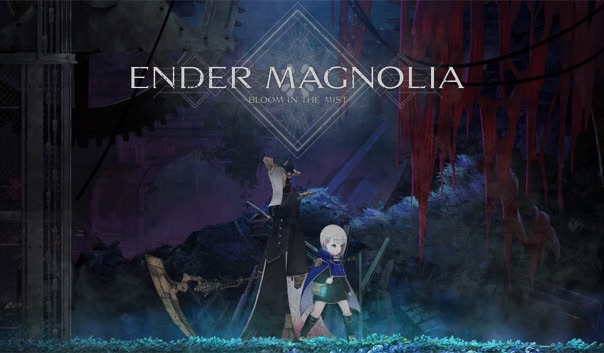
ENDER MAGNOLIA: Bloom in the Mist
MetroidvaniaExplorationAtmosphericPublic similarity
- Why it's similar
- Traversing ruined cities and laboratories, you fight formidable enemies and unlock new abilities from defeated bosses, using them to reach previously inaccessible areas; each new power prompts a re-evaluation of the map's open routes.
- Choose it when
- Care more about building a moveset from allied skills and fighting in tandem with NPCs, and are willing to trade the solo mastery of Salt for a more accessible, story-driven experience where you can adjust challenge to your liking.
- But
- Combat draws on 30 specific skills gained from companions rather than your own weapon arsenal; companions fight alongside you, shifting encounters toward coordinated teamwork instead of solo execution; selectable difficulty lets you prioritize story without constant high-pressure fights.
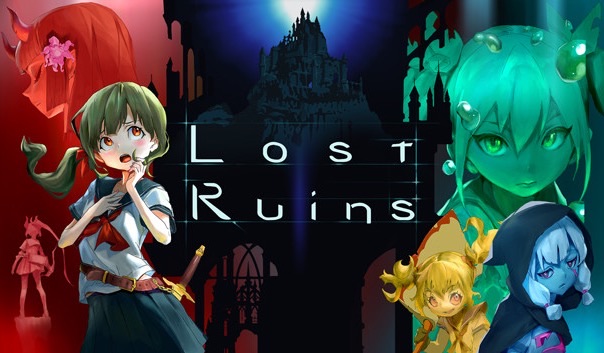
Lost Ruins
MetroidvaniaSurvivalActionPublic similarity
- Why it's similar
- Exploring dim dungeons, you slash monsters with swords or axes while manipulating the environment—igniting flammable liquids, freezing water with ice magic—to gain advantages, much like Salt's use of terrain and items in combat.
- Choose it when
- Prefer solving encounters through elemental combos and accessory synergies, and are willing to give up deep RPG progression for a more puzzle-oriented combat—accepting a smaller scale world in exchange for creative environmental play.
- But
- Fights lean on strategic element interactions rather than raw stat checks; accessories with special effects replace armor upgrades, altering tactics instead of just boosting defenses; spells come from wands and scrolls, replacing Salt's skill trees.
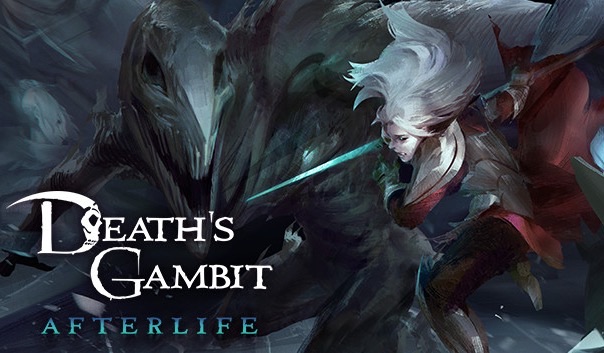
Death's Gambit: Afterlife
MetroidvaniaRPGActionPublic similarity
- Why it's similar
- Navigating a non-linear world, you unlock new movement and combat upgrades to access previously blocked areas, using a wide array of weapons and abilities to confront bosses; after each victory, you may opt into Heroic Mode to test mastery of that boss's new moves.
- Choose it when
- Players who want to explore a world with multiple branching story endings and are willing to spend more time in combat and character building, while accepting a less interconnected map that offers a more segmented experience.
- But
- Platforming plays a larger role, and the world spans over 20 levels, giving it a grander scale; seven classes and a 100+ talent tree with multi-classing allow more customized builds than Salt's single-character progression; multiple endings hinge on your decisions throughout the story.
Shortlists for these games
Each of these has a researched page of its own.