Games like PlateUp!
Discover new adventures that match what you love.
Overcooked meets roguelite permanence: run a restaurant through fifteen escalating days, choosing layout, appliances and automation between shifts - lose and the franchise resets deeper. The co-op kitchen game for groups who want progression with their panic.
Similar-game research
PlateUp! runs a restaurant through fifteen escalating days, with layout, appliance and automation choices between shifts and online four-player kitchens built on real role division. Every game here supports co-op, and four of the five share its party-and-chaos tags. The picks change what drives that teamwork: Overcooked! 2 uses kitchens that split, slide and catch fire; Unrailed! uses procedural railway biomes and wagon upgrades; Ember Knights uses run-based combat, weapon trees and relics; PICO PARK and Human Fall Flat turn minimalist or sandbox puzzles into group comedy.
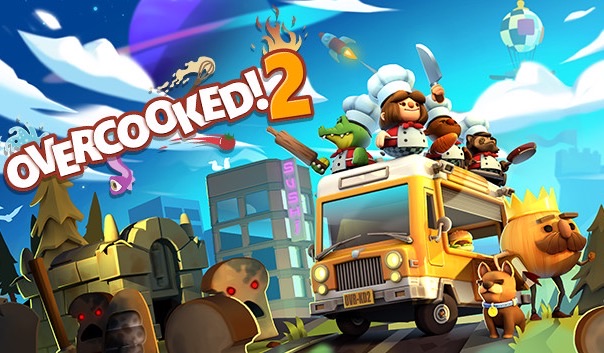
Overcooked! 2
Co-opPartyChaotic- Why it's similar
- Both are four-chef kitchens where orders pile up and the difficulty comes from coordinating under pressure. Overcooked! 2 supports couch and online co-op, PlateUp! runs online four-player kitchens with role division, and both dress the panic in toy kitchens with no combat and no story to speak of.
- Choose it when
- Groups who want direct coordination pressure and would rather chase three-star clears across kitchens that split, slide and catch fire than plan layout, appliances and automation between restaurant shifts. It suits friends ready to communicate and drill their teamwork.
- But
- Kitchens are the obstacle: they split, slide and catch fire while orders pile up. Progress follows a world map, and three-star runs demand drilled teamwork. PlateUp! instead spans fifteen escalating restaurant days, branching runs through layout, appliances and franchise cards, with layout, appliance and automation choices between shifts. Overcooked! 2 finds variety in levels and chef skins. Sessions run 30-90 minutes.
- Shares
- four-player kitchen co-opcoordination under time pressuretoy-styled restaurant stages
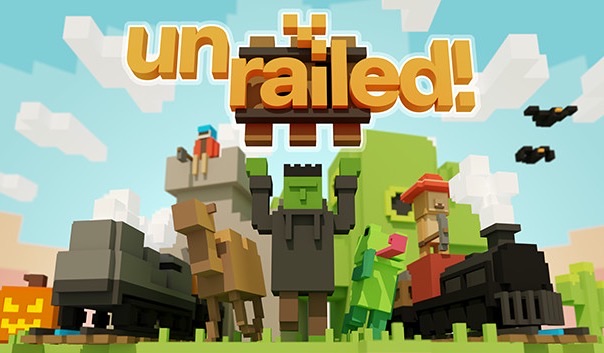
Unrailed!
Co-opPartyChaotic- Why it's similar
- Unrailed! splits a team into chopping, mining and crafting rails while the train closes in, and online co-op role-splitting is the whole game, much like PlateUp!'s role-divided kitchens. Both put a group under a clock, both are tagged co-op, party, chaotic and strategy, and both escalate until later stages demand near-wordless teamwork.
- Choose it when
- Teams focused on moment-to-moment division of labour and procedurally generated biomes that reshape the puzzle each time. It suits players who want wagon upgrades to tweak strategy while the train pressures every chop, mine and crafted rail.
- But
- You lay track instead of serving tables, crossing procedurally generated biomes that reshape the puzzle each time rather than a designed restaurant floor. Wagon upgrades tweak team strategy; PlateUp! branches runs through layout, appliances and franchise cards, with layout, appliance and automation choices between shifts. Later biomes demand wordless synchrony, and one idle second derails everyone. Sessions run 20-60 minutes.
- Shares
- online co-op role divisionteam play against a clockescalating late-stage difficulty
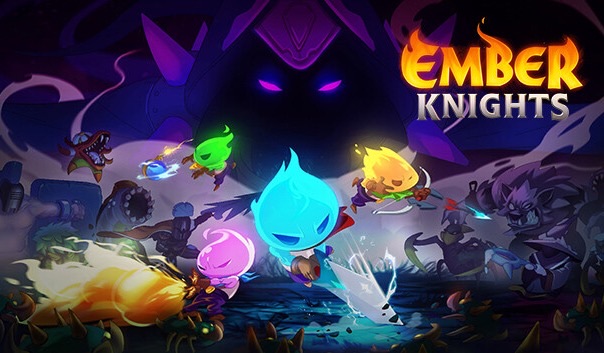
Ember Knights
RoguelikeActionCo-op- Why it's similar
- Ember Knights is a run-based roguelite built around four-player online co-op, the same structure PlateUp! uses for its fifteen-day restaurant runs. Both build strong run-to-run variety from choices you stack during a run, weapon trees and ember relics here, layout, appliances and franchise cards there, and both scale sensibly whether you play solo or grouped.
- Choose it when
- Co-op groups who like run-based structure and build variety from weapon trees and ember relics, but want to fight rather than serve. It also suits players who alternate between solo runs and full four-player nights.
- But
- The loop is combat, not cooking: crisp melee-caster fights through chambered worlds, with skill trees per weapon and relics that stack to absurd strength. It supports couch as well as online co-op and, in the words of its blurb, holds up solo. Blaze modes add extra heat on top of the standard difficulty. Runs are shorter at 20-45 minutes, against PlateUp!'s 30-90-minute sessions.
- Shares
- run-based roguelite structurefour-player online co-opbuild choices that branch runs
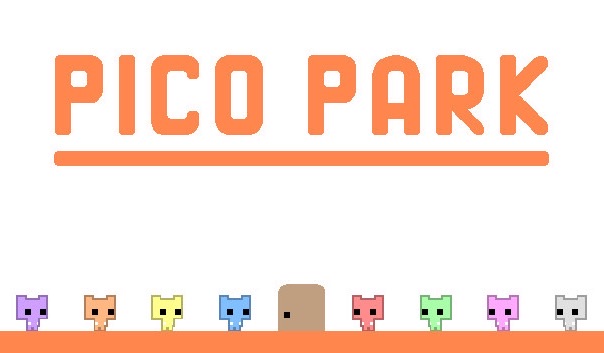
PICO PARK
Co-opPartyChaotic- Why it's similar
- PICO PARK sends up to eight cats through levels where every mechanic requires literally everyone, and PlateUp! likewise builds its kitchens on real role division among four players. Both are tagged co-op, party and chaotic, both have no combat and no story, and both stage the group panic in simple toy-styled levels.
- Choose it when
- Groups of up to eight who want a cheap, fast friendship stress test built from simple mechanics and human chaos. It also fits streamers and party nights where every player gets involved in minimalist puzzle levels.
- But
- It is a puzzle game chosen from a level select rather than a run you build up over fifteen days. Mechanics are simple and the chaos comes from the humans, so we think it lands as easier than PlateUp!'s day-15 overtime. Variety comes from its modes rather than from layouts, appliances or franchise cards, and it scales up to eight players. Sessions run 20-60 minutes.
- Shares
- co-op party chaosgroup play beyond two playersminimalist toy stages
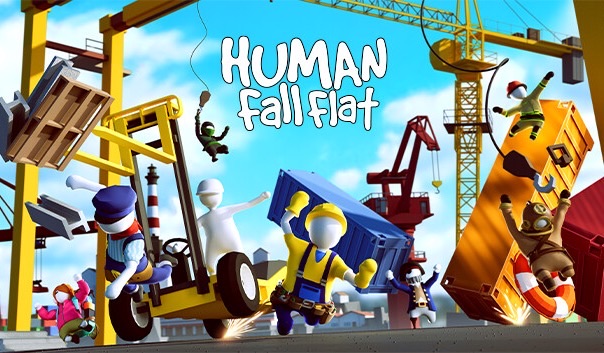
Human Fall Flat
Co-opPartyChaotic- Why it's similar
- Human Fall Flat is a co-op, party, chaotic game like PlateUp!, played alone or with up to eight online, with no combat and no plot. Both turn a group's fumbling into the entertainment: PlateUp! through role-divided kitchens under a clock, Human Fall Flat through wobbly puppets that need each other to climb, swing and get across.
- Choose it when
- Players who want the comedy of failing together while grabbing, climbing and swinging through sandbox puzzle levels, and who enjoy finding absurd solutions. We think its forgiving physics suit mixed-skill groups better than PlateUp!'s punishing day-15 overtime.
- But
- The core is physics puzzling, not service: grab, climb and swing through dreamscape sandbox levels that hide absurd solutions, which gives it far more room to explore than a restaurant floor. Physics is the gate and it forgives, so it plays easier than PlateUp!. What changes from session to session is skins, which are cosmetic, and workshop levels, plus a decade of free level drops. Sessions run 30-90 minutes.
- Shares
- chaotic co-op party playonline co-op for several playersno combat, no story
Shortlists for these games
Each of these has a researched page of its own.