Games like Ori and the Blind Forest: Definitive Edition
Discover new adventures that match what you love.
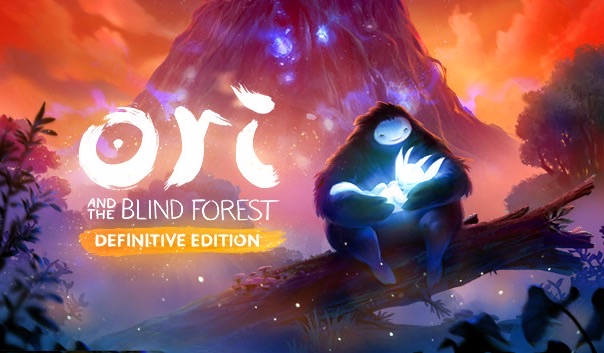
MetroidvaniaExplorationEmotionalSingle Player
The painterly platformer that redefined the genre's emotional range: Ori's bash-powered movement sings, escape sequences stop hearts, and the opening ten minutes remain gaming's most efficient tearjerker. Definitive Edition adds difficulty options and new areas.
Similar-game research
In Ori and the Blind Forest: Definitive Edition, you guide Ori through a hand-painted forest, fighting enemies and using abilities like Dash and Light Burst to traverse. Compared to similar games, these titles may offer different perspectives, combat systems, skill trees, or progression mechanics.
Length:Sort by:
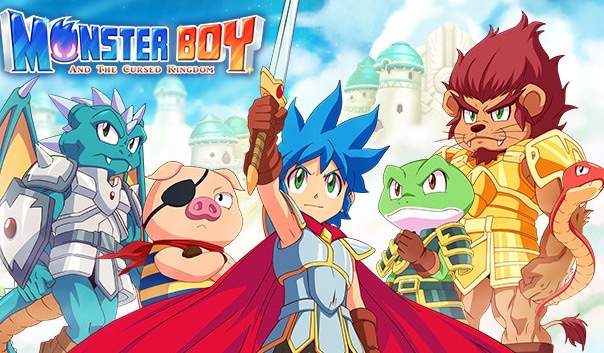
Monster Boy and the Cursed Kingdom
MetroidvaniaPuzzleCutePublic similarity
- Why it's similar
- Defeating enemies yields magic weapons and items that gradually open new paths, while swapping among six forms changes how you platform and fight; exploring the interconnected kingdom often means backtracking with new abilities to reach previously sealed secrets.
- Choose it when
- Prefer investing time in form-switching and gear collection, and willing to give up the aerial mobility of dash and light burst.
- But
- Instead of a skill tree, progression comes from equipment and form changes; combat leans on melee combos and weapon upgrades rather than save-anywhere resource management, and movement read more grounded without dash and light burst.
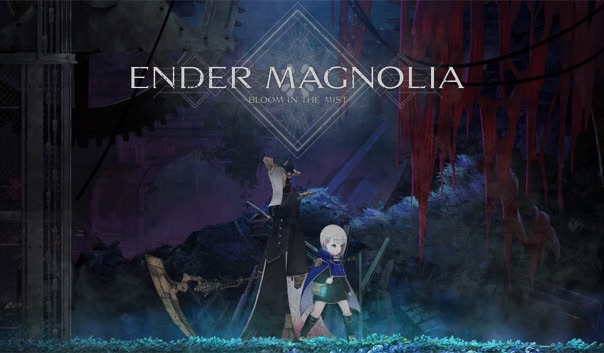
ENDER MAGNOLIA: Bloom in the Mist
MetroidvaniaExplorationAtmosphericPublic similarity
- Why it's similar
- Exploring a ruined world, you fight enemies and collect 30 skill types from companions, upgrading gear and relics; progression also involves deciding whether to save humans or homunculi, which alters available allies and routes.
- Choose it when
- Ready to sink time into skill and equipment loadouts and accept a darker narrative, rather than platforming finesse.
- But
- Combat revolves around summoning companion skills and build synergy rather than Ori's instant light burst; a gear and relic upgrade system replaces the skill tree, and difficulty options let you tailor the challenge, while the story centers on moral choices between humans and homunculi.
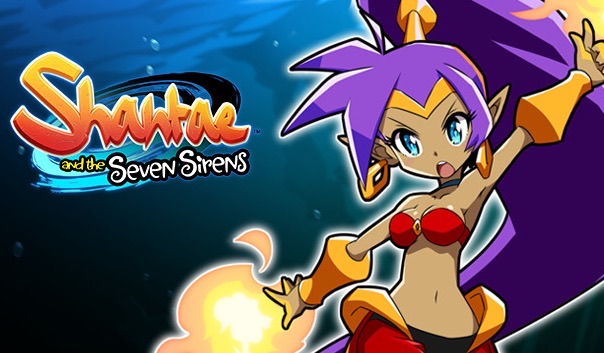
Shantae and the Seven Sirens
MetroidvaniaActionCutePublic similarity
- Why it's similar
- You explore a vast interconnected world above and below the sea, using Fusion Magic to transform into different creatures to solve puzzles and activate machinery, and belly dancing restores health; collecting Monster Cards powers you up.
- Choose it when
- A session that mixes transformation-based puzzles and card collecting, accepting more dialogue and minigames instead of continuous platforming.
- But
- Transformation serves puzzle-solving more than Ori's dash and light burst combat, and card collection plus minigames add a distinct progression layer; the tone is lighter, with underwater dungeons and towns instead of a single forest.
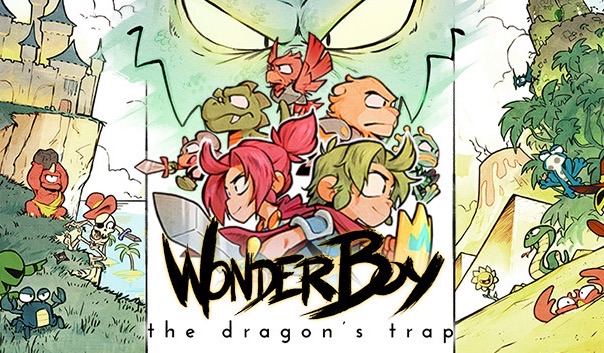
Wonder Boy: The Dragon's Trap
MetroidvaniaAdventureCutePublic similarity
- Why it's similar
- Defeating dragons transforms you into different animals, each with specific abilities to explore interconnected areas and search for the Salamander Cross; you can also switch between modern and 8-bit graphics anytime.
- Choose it when
- More interested in narrative-driven transformations and retro visuals than Ori's fluid dash and light burst mechanics.
- But
- Transformations are story-driven rather than chosen, each animal has fixed abilities without dash or light burst; three difficulty levels and retro graphics toggle offer a shorter, more linear adventure.
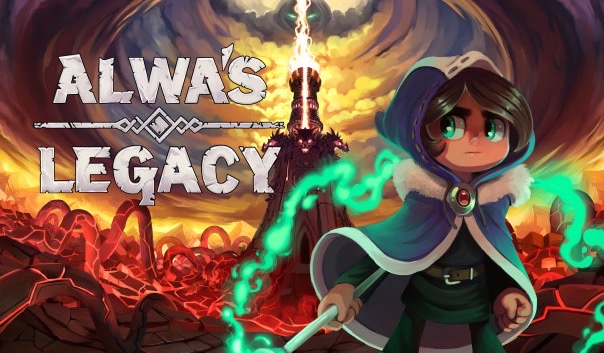
Alwa's Legacy
MetroidvaniaExplorationRelaxingPublic similarity
- Why it's similar
- Exploring a non-linear world rewards uncovering secrets, and your magic upgrades allow a choice between explorative, fearless, or strategic playstyles; quick reflexes are needed to navigate challenging rooms.
- Choose it when
- Prefer customizing your upgrade path and solving puzzles over following a linear skill tree like Ori's.
- But
- The upgrade system lets you tailor your approach rather than following Ori's fixed skill progression, and the focus leans heavier on puzzles than platforming, with pixel art instead of hand-painted visuals.
Shortlists for these games
Each of these has a researched page of its own.