BallisticNG vs Redout 2
See how two games stack up across what matters most to you.
Short answer
BallisticNG is a reverent PS1-era WipEout homage: airbrakes demand practice, weapon-pad dogfights add chaos, and a track editor plus mods serve tinkerers at a five-dollar entry. Redout 2 is the modern speed-violence opposite: pitch control separates skilled pilots, campaign events and boss races structure the climb, and Blade Runner skylines rush past at several km/h. Neither outclasses the other; the decision is whether you want to preserve the church or burn it down.
Side-by-side Comparison
BallisticNGRedout 2importance
The Church and the Inferno
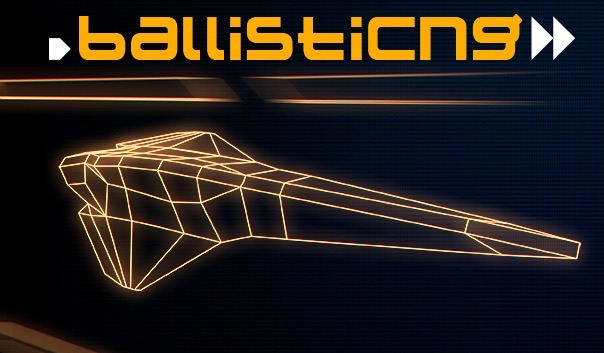
Both games answer the same question—where did WipEout go?—but they split into different schools. BallisticNG is a restoration project: it preserves the tactile, low-poly anti-gravity purity of the PlayStation era, where every airbrake tap is a skill that must be earned, not granted. Weapon pads turn races into dogfights, layering combat depth that the modern side lacks.
Redout 2, meanwhile, takes the genre's lineage and sets it ablaze. It trades reverence for velocity, aiming at several km/h spectacle with pitch control as the mechanic that separates pilots from passengers. The decisiveness of this tension is that they are not just different versions of the same fantasy; they are different definitions of what that fantasy should feel like.
BallisticNG wants you to respect the machine, to learn its quirks through relentless practice. Redout 2 wants you to surrender to speed, to trust that the track will hold as you lean into corners that feel like they might tear the ship apart. Neither game offers a narrative to soften the divide—the storytelling is absent from both—so the identity of each game rests entirely on how it treats movement and competition.
Your choice is a confession of which sensation you crave: the familiar friction of a cult classic or the deafening rush of a modern supercar.
For the Conservators
If the idea of a five-dollar ticket to an authentic PS1 handling model feels like a bargain, BallisticNG is likely the racer you have been hunting. This is a game for players who believe airbrakes should be a discipline, not an assist; the difficulty record marks it as the harder of the two, but that challenge is precisely the appeal. You spend laps earning the craft, and when the weapon pads arrive, they turn an already demanding race into a snarling brawl.
The freedom to explore arrives through a campaign track ladder, but the true expansiveness is in its build variety: ships, mods, and custom tracks. If you are the kind of player who treats a game as a toolbox—someone who enjoys pulling apart mechanics and rebuilding them—the track editor and mod support will consume your nights. Local splitscreen and online co-op also make it a social bastion, a way to share the grim satisfaction of a perfectly braked hairpin with a friend on the same couch.
The neon anti-grav futurism is present, but it is a stage, not a spectacle. You are not here for skylines; you are here for the feel of the ship, for the weight of every correction, for the quiet pride of mastering a machine that demands respect. If that sounds like a sacred act, then BallisticNG is your church, and you are willing to attend every service.
For the Speed Addicts
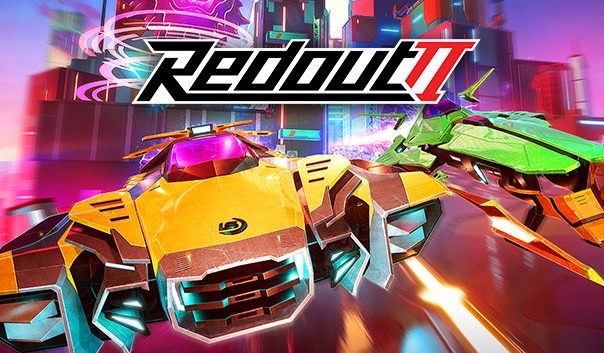
Redout 2 is for pilots who look at BallisticNG's respectful handling and wonder why the brakes exist at all. Here, the world immersion record belongs to it: Blade Runner skylines blur past at several km/h, and the game dares you to keep your eyes open. This is the modern speed-violence school, and pitch control is the skill that separates the elite from the merely fast. You will not find weapon pads to hide behind; the combat depth is not applicable because the combat is the racing itself.
The campaign is structured as an event ladder, a progression of races and boss encounters that escalate the challenge methodically. That structure, combined with the difficulty of mastering pitch, gives the game a learning curve that feels like a dare. For players who want to be thrilled rather than nostalgic, Redout 2's spectacular track design is a rollercoaster that never lets you catch your breath.
The online grids are the only multiplayer, so this is a solitary pursuit unless you seek out rivals, but that isolation suits the experience: it is you, the ship, and the asphalt-melting speed. If you measure a racing game by how fast your heart beats, not how precise your airbrake angle is, Redout 2 is the temple built for your adrenaline. You are not there to preserve the old ways; you are there to watch them burn in your rearview mirror.
Key facts, side by side
Playtime figures are community-reported estimates from HowLongToBeat (captured 2026-08-16), not main-story completion times.
Similar Games to Consider
Based on what you like in both games